Downstream oil industry stability requires effective implementation of the Stakeholders and key industry experts have warned against haphazard implementation of the Petroleum Industry Act (PIA) in the country.
While they raised concerns over insufficient regulatory attention to obvious issues, especially, operations in the downstream sector where there is infringement in market structure, this development, they noted, is attempting to hurt investment opportunities and flow.
The Institute for Energy and Extractive Industry Law, recently hosted an interactive session with key media professionals to shed light on the provisions of the PIA, and discussed some salient issues bothering on practices that could undermine the industry. if not addressed.
Speaking on the seeming lack of competition in the sector, an oil and gas industry analyst, Henry Adigun told our correspondent that, Nigeria is yet to provide a competitive refining market environment to guarantee fair product pricing and efficiency.
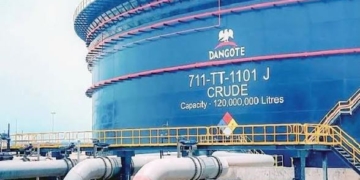
Adigun enthused that, the refineries owned and operated by the Nigerian National Petroleum Company Limited (NNPCL) as presently structured are no match to Dangote mega refinery and cannot refine volume of products that are considered suitable with low sulphur. This, he said, could be responsible for certain practices that often result in losses by marketers.
Speaking with LEADERSHIP on the sidelines of a forum hosted by the Institute in Lagos, Adigun said, a competitive market structure in the midstream and downstream sectors of the petroleum industry exists when multiple market players can freely enter, compete, and operate under fair and transparent conditions.
Their concern further raises dust over insignificant crude supply by crude producers to boost output of local refineries. Currently over 60 million barrels of Nigerian crude oil are reportedly stranded and unsold, floating in the high seas, as International Oil Companies (IOCs) continue to bypass local refineries in breach of national legislation.
According to documents, despite binding provisions under the PIA, several IOCs have continued to prioritise foreign oil traders over domestic refinery operators a move analysts describe as both exploitative and damaging to the country’s energy security.
On its part the Petroleum Products Retail Outlets Owners Association of Nigeria (PETROAN) expresses excitement after the Nigerian Midstream and Downstream Petroleum Regulatory Authority (NMDPRA) licensed 83 refineries with a combined total refining capacity of 1,124,500.
The breakdown of the licenses includes, 8 refineries with Licenses to Operate (LTO), 30 refineries with Licenses to Construct (LTC) and 45 refineries with License to Establish (LTE) The National President of PETROAN, Dr. Billy Gillis Harry, emphasized the importance of making crude oil available for local refineries.
He stated that, if these refineries must remain in business, adequate provision must be made for sufficient volume of crude oil to be set aside for them. Dr. Harry highlighted two key benefits of making crude oil available for local refineries which include increased domestic production of petroleum products, thereby reducing reliance on imported products and conserving foreign exchange.
The other is creation of jobs and stimulation of economic growth, as local refineries would be able to operate at optimal capacity and contribute significantly to Nigeria’s GDP.
Under Sections 8(c) and 109 of the PIA, the Domestic Crude Supply Obligations (DCSO) require producers to sell crude oil to Nigerian refineries to ensure adequate feedstock for domestic refining.
However, IOCs have been accused of sidestepping this requirement by selling to foreign traders predominantly in the Far East, Mediterranean Region and Southern Africa who then resell the same crude to Nigeria at a premium of $5 to $6 per barrel above global benchmarks.
This practice has left local refineries effectively priced out of their own market. key investors in the country’s downstream petroleum industry are facing triangular economic revenue cuts following regulatory lapses that is creating uncompetitive market structure.
In a similar conversation, a Lawyer and Energy expert, Taiwo Ogunloye alluded to the fact that, pricing efficiency and open market participation is hindered due to anti-competitive market practices and behaviour in the midstream and downstream petroleum industry.
According to Ogunloye, this happens by activities performed by companies to undermine fair competition, negatively impacting market efficiency, prices, and consumer choices.
Such practices may include price fixing, collusion, predatory pricing, market allocation, monopolization or abuse of dominance, exclusive contracts, unfair restrictions in distribution and retail operations, refusals to supply or deal, discrimination in pricing, or limiting infrastructure access to competitors.
“These behaviours distort market conditions, creating artificial barriers for new entrants or smaller players, undermining transparency in the pricing process, harming consumer welfare, and hindering innovation and improvements in service quality.” he said.
In his views, a legal practitioner and energy industry analyst, Israel Aye, noted that, anticompetitive practices and behaviours in the midstream and downstream petroleum industry refer to behaviours or strategies employed by petroleum companies or market participants to unfairly restrict competition and gain undue advantage, typically at the expense of consumers and rivals.
These practices tend to limit market efficiency, distort pricing mechanisms, prevent entry of new businesses, and negatively impact overall economic welfare.” he said.
Aye explained that, anticompetitive behaviours in the petroleum midstream and downstream sectors refer to behaviours that reduce or limit competition in markets, which can produce severe detrimental economic effects, distorting market outcomes, harming consumer welfare, discouraging necessary investments, and undermining industry efficiency, and often lead to inflated prices and poor service delivery.
They called for legal and Institutional Framework regarding anticompetitive practices and behaviours in the Midstream and Downstream Petroleum Industry.
In the opinion of the analysts regulatory agencies in the industry should monitor market behaviour to foster competitive environments, identify and stop abuses of dominant market power and restrictive business practices.
They also called for assessment of the petroleum industry’s operational efficiency and evaluate potential barriers for new market entrants, detect and prevent ongoing anti-competitive activities and also establish pre-conditions and transitional arrangements necessary for competitive service offerings.
We’ve got the edge. Get real-time reports, breaking scoops, and exclusive angles delivered straight to your phone. Don’t settle for stale news. Join LEADERSHIP NEWS on WhatsApp for 24/7 updates →
Join Our WhatsApp Channel