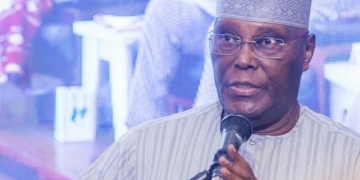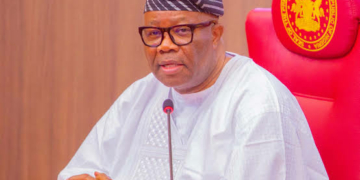
A democracy advocate, Goodman Akwu Umar, has cautioned the newly appointed chairman of the Independent National Electoral Commission (INEC), Prof. Joash Amupitan, against making what he described as unrealistic promises about ending vote buying in Nigeria’s elections.
Amupitan had, during his maiden address after his inauguration, vowed to eliminate vote buying and restore confidence in the electoral system.
But in a statement issued yesterday in Abuja, Goodman said the pledge falls outside the constitutional powers of the electoral umpire.
He noted that vote buying is not an activity carried out by INEC but a private transaction between political actors and desperate voters who, due to poverty and declining trust in government, readily exchange their votes for cash or small relief items.
“Vote buying is not INEC’s business. It is a deal between political merchants and impoverished citizens trying to survive,” he said. “So when the new INEC boss claims he will stop vote buying, it raises questions about whether the Commission had prior control or involvement in the criminal activity.”
Goodman argued that the responsibility for curbing vote buying lies squarely with security agencies, particularly the Nigeria Police Force, which has the constitutional mandate to enforce election laws at polling units. He stressed that INEC neither investigates nor monitors such illicit transactions and therefore cannot claim authority to eliminate them.
He added that successive INEC chairmen had made similar grand promises but later presided over controversial elections marred by allegations of compromise, political collusion, bribery and manipulated results , sometimes enabled by academics serving as returning officers.
“Nigerians have grown weary of rhetoric that delivers no real change,” he said. “What the new chairman must do is strengthen INEC’s independence, deploy credible technology, and shield the Commission from political interference.”
Goodman described the current vote-buying system as a “bizarre electoral economy,” where voters exchange their Permanent Voter Cards (PVCs) for money or temporary food relief, a practice now widely known as “Stomach Infrastructure.”
“Election has become the only business where people come with nothing and go home richer,” he added.
He urged Prof. Amopiten to focus on reforms within INEC’s legal mandate and to collaborate effectively with security agencies rather than making promises that exceed the Commission’s authority.
Until political actors abandon corrupt tactics and security institutions enforce the law without bias, Goodman warned, vote buying will remain deeply entrenched in the nation’s electoral culture.
We’ve got the edge. Get real-time reports, breaking scoops, and exclusive angles delivered straight to your phone. Don’t settle for stale news. Join LEADERSHIP NEWS on WhatsApp for 24/7 updates →
Join Our WhatsApp Channel