Nigeria’s electricity sector, a linchpin of economic and social progress, stands at a crossroads as the Band A tariff policy faces mounting criticism. Experts aver that the policy is a scam, echoing the frustrations of countless Nigerians who pay premium rates for unreliable power. With inflation soaring above 35.5 per cent and businesses faltering, the gap between policy promises and reality demands urgent scrutiny.
This newspaper joins calls for a transparent overhaul of the tariff regime to ensure electricity policies serve the people, not exploit them.
The Nigerian Electricity Regulatory Commission (NERC) introduced the service-based tariff system to align electricity costs with supply reliability. Band A customers, who are promised 20–24 hours of daily power, pay significantly higher tariffs than those in lower bands, who receive fewer hours. The policy’s intent was to incentivise distribution companies (DisCos) to improve service while funding sector upgrades. However, reports indicate that many Band A customers receive far less—often under 12 hours daily—rendering the policy a source of contention rather than progress.
Observers insist that despite paying premium rates, Band A customers often receive less than 12 hours of electricity daily, contrary to the 20–24 hours promised. This is corroborated by NERC’s Q2 2025 report, which reveals that only 40 per cent of Band A customers receive the minimum 20 hours of supply. The electricity consumer protection agency further noted a 60 per cent surge in complaints from Band A customers in the first half of 2025, highlighting issues like erratic supply and opaque billing. Social media posts amplify this discontent, with users decrying “exorbitant tariffs for darkness” and demanding accountability.
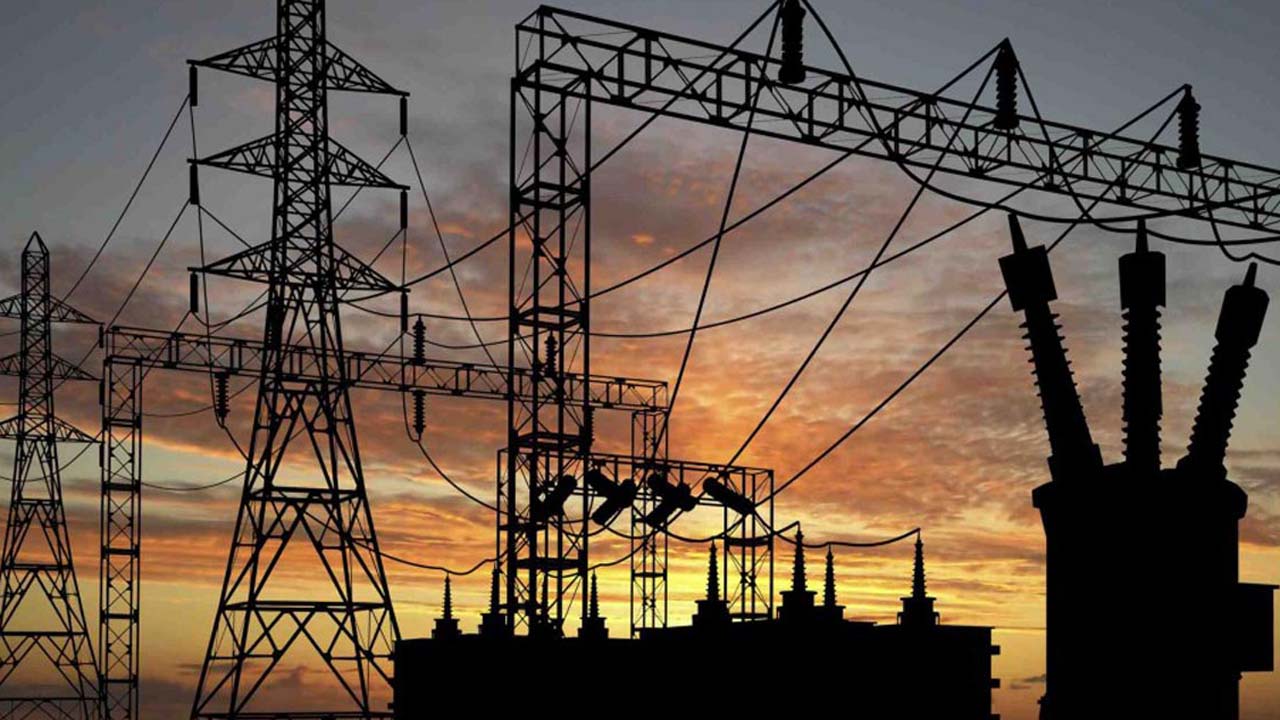
It is a sad situation, in our opinion, that the Band A policy’s shortcomings reflect deeper systemic issues. According to industry estimates, Nigeria’s power generation capacity, hovering around 5,000 MW in July 2025, falls drastically short of the 30,000 MW needed to meet demand. Frequent grid collapses—three reported in Q2 2025 alone—exacerbate the crisis, leaving even Band A customers in the dark. Distribution inefficiencies and allegations of mismanagement within DisCos further undermine service delivery. For instance, a July 2025 media report highlighted cases of overbilling in Lagos, where Band A customers were charged for unrendered services.
We are persuaded to argue that economic hardship compounds these woes. With inflation at 35.5 per cent, as reported by the Central Bank on July 4, 2025, high tariffs strain households and businesses, stifling growth. Small enterprises reliant on costly generators face unsustainable costs. The establishment’s narrative—that higher tariffs fund infrastructure—lacks credibility when tangible improvements remain elusive, raising questions about transparency and accountability in the sector.
The government defends the Band A policy as a necessary step toward financial sustainability, citing investments like the N4 trillion power bond approved on July 26, 2025, to address sector debt. Officials attribute outages to vandalism and technical faults, promising upgrades. Yet, these assurances ring hollow without verifiable data on service improvements or accountability for DisCos’ failures. The absence of robust monitoring mechanisms to ensure Band A customers receive promised hours undermines public trust. The establishment’s focus on revenue generation over consumer welfare suggests a misalignment of priorities, particularly in a nation grappling with economic distress.
The Band A policy’s intent—to match payment with service quality—has merit in theory. It aims to stabilise a sector plagued by underfunding. Investments like the power bond signal a commitment to addressing legacy debts. However, the policy’s execution falters, with inadequate generation capacity and lax oversight allowing DisCos to underdeliver. The regulator’s narrative overlooks these gaps, risking further alienation of a frustrated populace. A balanced approach must acknowledge the sector’s financial needs while prioritising consumer rights and equitable access to power.
Therefore, we propose urgent reforms to restore faith in Nigeria’s electricity sector to achieve this. First, the government must boost power generation through accelerated investment in renewable energy and grid modernisation, targeting at least 10,000 MW by 2027. Second, NERC should enforce stringent oversight, imposing penalties on DisCos that fail to meet Band A service levels and rewarding those that exceed targets. Real-time monitoring systems, accessible to consumers, can ensure transparency in supply hours and billing. Third, public engagement is critical—NERC must collaborate with consumer advocacy groups to refine tariffs and address grievances, fostering trust.
The National Assembly should play a pivotal role, conducting hearings to investigate DisCo performance and ensure the power bond’s funds are transparently allocated. Additionally, subsidies for low-income households should be reinstated to mitigate the impact of high tariffs, aligning with societal progress. These steps, grounded in accountability, can transform the sector from a source of frustration to a driver of growth.
The criticism of Nigeria’s Band A electricity policy, reflects a broader crisis of trust and delivery. High tariffs, unmet promises, and systemic inefficiencies have left consumers bearing the cost of a failing system. This newspaper urges the government to prioritise consumer welfare through transparent reforms, robust oversight, and inclusive policies. Nigeria’s electricity sector must power progress, not perpetuate hardship—now is the time for a reckoning that delivers light to all.
We’ve got the edge. Get real-time reports, breaking scoops, and exclusive angles delivered straight to your phone. Don’t settle for stale news. Join LEADERSHIP NEWS on WhatsApp for 24/7 updates →
Join Our WhatsApp Channel