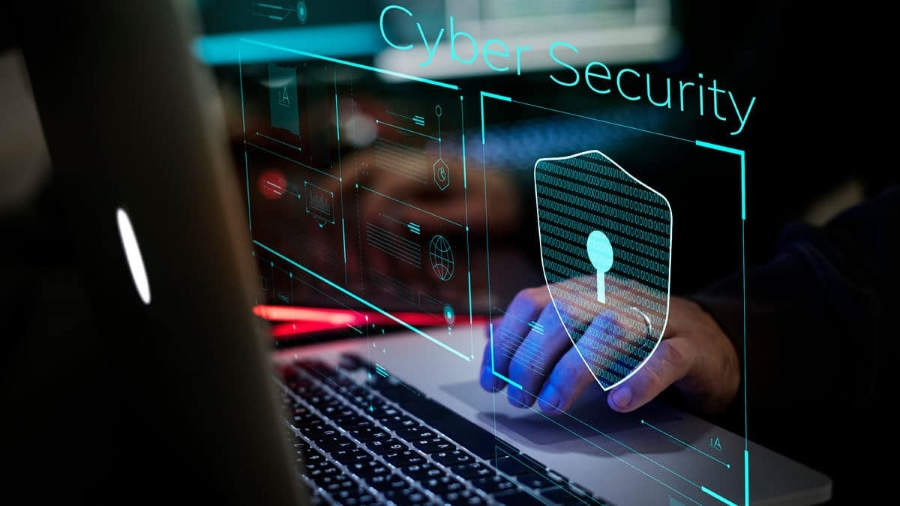
In an era where cyber threats loom larger than ever, ensuring the security of power grids is a matter of national and economic security. Utilities must not only fend off sophisticated cyberattacks but also comply with evolving regulatory requirements.
Internal auditors play a critical role in bolstering cyber resilience by identifying vulnerabilities, ensuring compliance, and fostering a proactive risk management culture.
The Role of Internal Audits in Regulatory Compliance
Regulatory bodies worldwide, such as the North American Electric Reliability Corporation (NERC) in the U.S., the European Union Agency for Cybersecurity (ENISA), and Nigeria’s National Information Technology Development Agency (NITDA), have stringent cybersecurity mandates for utilities. These regulations require energy providers to establish robust security measures and continuously monitor compliance.
Internal audits serve as a linchpin in this compliance framework. By systematically assessing security protocols, internal auditors help utilities:
- Verify adherence to cybersecurity regulations such as NERC-CIP (Critical Infrastructure Protection) standards.
- Identify gaps in security practices and recommend corrective actions.
- Ensure timely incident response planning and recovery strategies.
- Improve governance structures for cyber risk management.
For instance, a 2023 audit of a major U.S. energy provider revealed lapses in access controls, which, if left unaddressed, could have led to unauthorized access to critical grid systems. Prompt action by the audit team ensured the implementation of stronger access management policies, averting potential security breaches.
Real-World Examples of Cybersecurity Risks and Audit Discoveries
Internal audits have uncovered significant vulnerabilities in utility cybersecurity infrastructure. Notable examples include:
- Colonial Pipeline Ransomware Attack (2021) An internal audit prior to the ransomware attack had highlighted weaknesses in the company’s cybersecurity framework. However, inadequate follow-up on audit recommendations left the system vulnerable, eventually leading to a ransomware attack that disrupted fuel supplies across the U.S.
- Ukraine’s Power Grid Cyberattack (2015 & 2016) These attacks, attributed to Russian hacking groups, exploited weak security protocols, enabling cybercriminals to disable substations and plunge regions into darkness. Subsequent internal audits in various energy firms worldwide focused on securing remote access protocols and enhancing network segmentation.
- Unpatched Software Risks In a 2022 European energy firm audit, security teams discovered that outdated software in control systems had multiple unpatched vulnerabilities, exposing the grid to cyber risks. Following the audit, immediate updates and a structured patch management program were implemented to mitigate these threats.
Frameworks and Risk Management Strategies for Improving Grid Security
To fortify grid cybersecurity, utilities must adopt structured risk management strategies and frameworks. Internal auditors can guide organizations by advocating for the following approaches:
1. NIST Cybersecurity Framework (CSF)
The NIST CSF provides a structured approach to managing cybersecurity risks through five core functions: Identify, Protect, Detect, Respond, and Recover. Internal auditors can leverage this framework to benchmark security practices and highlight areas needing improvement.
2. Zero Trust Architecture (ZTA)
Zero Trust principles ensure that no entity—internal or external—is automatically trusted within the network. Internal audits can evaluate how effectively utilities have implemented identity verification, multi-factor authentication (MFA), and least privilege access.
3. ISO/IEC 27001 Compliance
Adhering to ISO/IEC 27001, a globally recognized information security standard, enhances cybersecurity posture. Internal auditors play a pivotal role in ensuring utilities implement the standard’s security controls effectively.
4. Continuous Security Monitoring and Incident Response
Conducting periodic security audits and stress tests, including penetration testing and red team exercises, helps identify weaknesses before malicious actors exploit them. Auditors should also evaluate the effectiveness of incident response plans.
The Evolving Threat Landscape and the Need for Proactive Auditing
Cyber threats targeting utilities are becoming more advanced, with attackers leveraging artificial intelligence, supply chain vulnerabilities, and insider threats. Internal auditors must stay ahead by continuously updating their knowledge and audit methodologies.
For example, AI-driven cyberattacks can bypass traditional security measures by mimicking legitimate user behavior. Internal audits should incorporate AI-based threat detection tools to counteract such threats. Additionally, given the rise in supply chain attacks, auditors should assess vendor security policies and ensure compliance with cybersecurity best practices.
Moreover, human error remains one of the leading causes of cyber incidents. A 2023 study by the Ponemon Institute found that 74% of cyber breaches involved human factors. Regular training programs and phishing simulations should be integral parts of internal audits to enhance employee awareness and response to cyber threats.
With cyber threats evolving at an unprecedented pace, internal auditors are indispensable in strengthening grid security and ensuring regulatory compliance. Their ability to uncover security gaps, recommend risk mitigation strategies, and promote adherence to cybersecurity frameworks makes them key players in safeguarding national energy infrastructure. As utilities face mounting cyber risks, investing in robust internal audit functions will be crucial in fortifying cyber resilience and ensuring uninterrupted energy supply.
The future of grid security depends on proactive auditing, continuous monitoring, and an adaptive cybersecurity culture. By leveraging advanced frameworks, adopting a Zero Trust approach, and strengthening collaboration between auditors, IT teams, and regulatory bodies, utilities can build a more resilient and secure power grid for the future.
We’ve got the edge. Get real-time reports, breaking scoops, and exclusive angles delivered straight to your phone. Don’t settle for stale news. Join LEADERSHIP NEWS on WhatsApp for 24/7 updates →
Join Our WhatsApp Channel