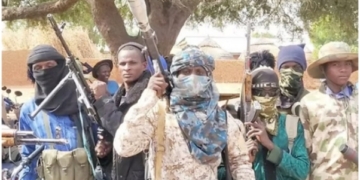
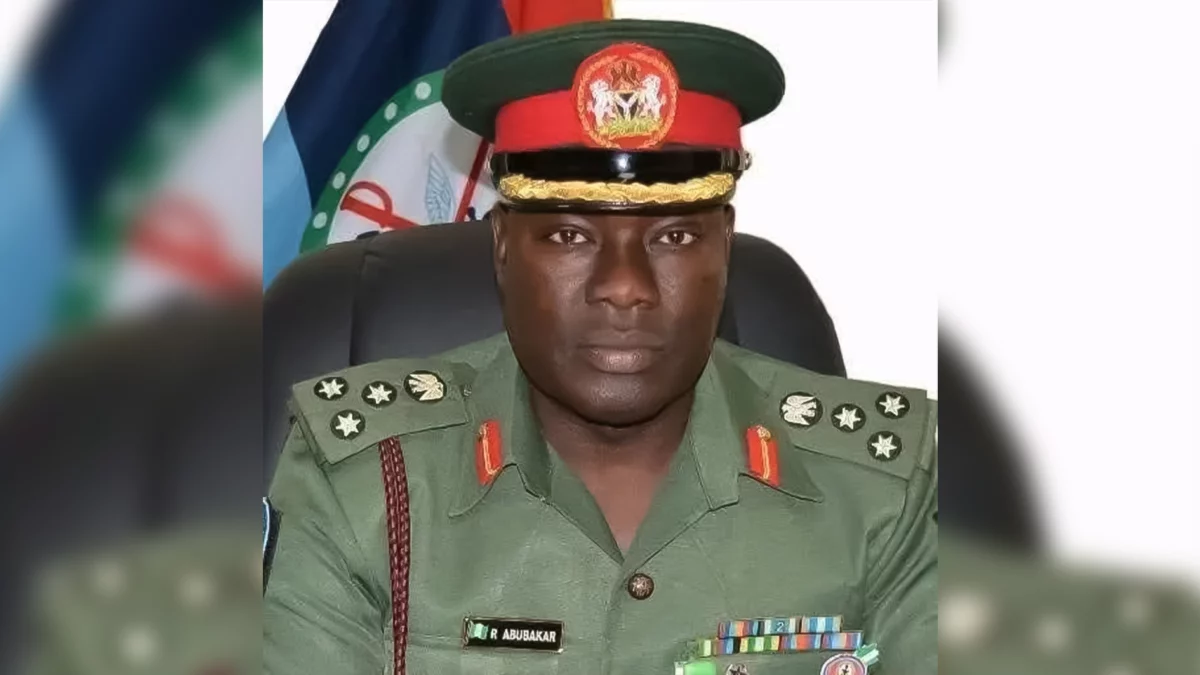
The chairman of the Coalition of Civil Society Organisations (CCSOs), Abdulrahman Abdullahi, has described the abduction and death of Gen Rabe Abubakar as a tragic reflection of the country’s failing security architecture, saying the incident raises serious concerns about the government’s ability to protect citizens.
Speaking in an interview with LEADERSHIP, Abdullahi said it was unfortunate that a military officer of such rank could be held by bandits for nearly two weeks before eventually losing his life, despite the extensive security resources available to the country.
According to him, the incident mirrors previous cases involving senior military officers who were kidnapped and held for prolonged periods, adding that the development demonstrates a systemic weakness in Nigeria’s security system.
“If the military cannot protect its own veterans, then the situation for ordinary citizens becomes even more worrying.
This is a clear indication that there are serious challenges within the nation’s security architecture,” he said.
Abdullahi, however, noted that the recent rescue of the late general’s wife by security forces showed that insecurity can be tackled effectively when there is sufficient commitment and determination from authorities.
“The rescue operation demonstrates that the Nigerian military possesses the capacity and strategy needed to confront insecurity. What is required is sustained political will and consistent action against criminal elements,” he stated.
While some observers have questioned the circumstances surrounding the rescue operation, the CCSOs chairman maintained that the most important outcome was the successful recovery of the victim. He argued that the operation had reinforced public belief that security agencies can achieve significant results when properly mobilised and supported.
On the broader fight against banditry, Abdullahi called for a combination of dialogue and force, depending on the disposition of those involved.
He said repentant bandits willing to surrender and embrace peace should be given the opportunity to do so through non-violent approaches, while those who continue to engage in criminal activities should face decisive military action.
“If bandits refuse to lay down their arms, then government must deploy its full strength to dismantle their camps and restore peace to affected communities,” he said.
The CCSOS chairman also expressed concern over recent attacks and killings in parts of Katsina State, including communities in Matazu, Musawa and neighbouring areas, describing the loss of lives as alarming.
Commenting on recent security measures introduced by the Katsina State Government, including restrictions on POS operations, motorcycle use and phone charging services in some affected local government areas, Abdullahi questioned their effectiveness.
He argued that such measures could place greater hardship on law-abiding residents than on bandits, who often operate outside the formal system and have alternative means of communication and movement.
According to him, victims’ relatives seeking to raise ransom payments can easily travel outside restricted areas to access financial services, while criminal groups often possess generators, power banks and other resources that reduce the impact of such restrictions.
“Many of these measures have been implemented before, and the key question is what results they have produced. The burden appears to fall more on innocent citizens than on the criminals being targeted,” he said.
Abdullahi urged authorities to focus on a strategy that combines genuine reconciliation efforts for repentant bandits with robust military operations against those who continue to threaten lives and property.
We’ve got the edge. Get real-time reports, breaking scoops, and exclusive angles delivered straight to your phone. Don’t settle for stale news. Join LEADERSHIP NEWS on WhatsApp for 24/7 updates →
Join Our WhatsApp Channel