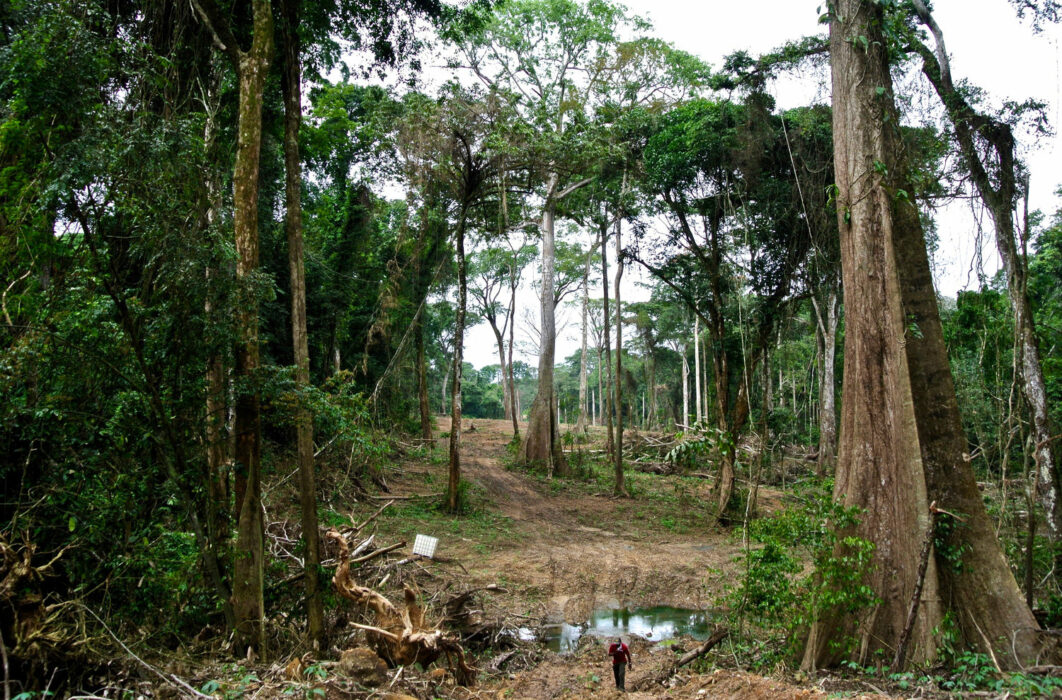
The concern was raised yesterday in Calabar during the 4th Multi-Stakeholder Conference on Deforestation in Cross River State.
Speaking on the theme, “Forests, People and Policy: Shifting Power and Strategies for Combating Deforestation”, executive director of “We the People,” Ken Henshaw, said that Cross River State Forestry Law of 2010 has become obsolete, as it does not reflect emerging environmental challenges, particularly climate change.
Henshaw disclosed that participants at the previous edition of the conference resolved to review the law, which led to the production of a document titled “Recommended Reviews for the Cross River Forestry Law 2010.”
Henshaw stressed that the recommendations were developed through months of consultations with conservation groups, legal experts, academics and community representatives.
“The existing forestry law says almost nothing about climate change because it is an obsolete law. We examined the gaps and developed consensus-based recommendations to modernise the law and bring it in line with current realities,” he said.
The executive director lamented that despite forest conservation policies over the last two decades, deforestation has continued at an alarming rate, with illegal logging now operating as an organised enterprise involving local collaborators and foreign interests.
He added that illegal mining has compounded the crisis, causing environmental degradation, pollution of water sources, destruction of farmlands and insecurity.
Speaking on behalf of Conservator-General of the Nigeria National Park Service, Dr Ibrahim Goni, the Cross River Conservator of Parks, Joseph Ntui, said the 14,000 hectares lost in 2025 resulted in the emission of about eight million tonnes of carbon dioxide.
He warned that sustained forest loss threatens endangered species such as the Cross River gorilla, Nigeria-Cameroon chimpanzee, forest elephant and pangolin, and said the Service has intensified patrols, community engagement and conservation education to protect the forests.