The federal government is working with 20 Nigerian universities to address the shortage of therapy professionals, with plans underway to launch programmes that will equip students in occupational therapy, audiology, and speech therapy.
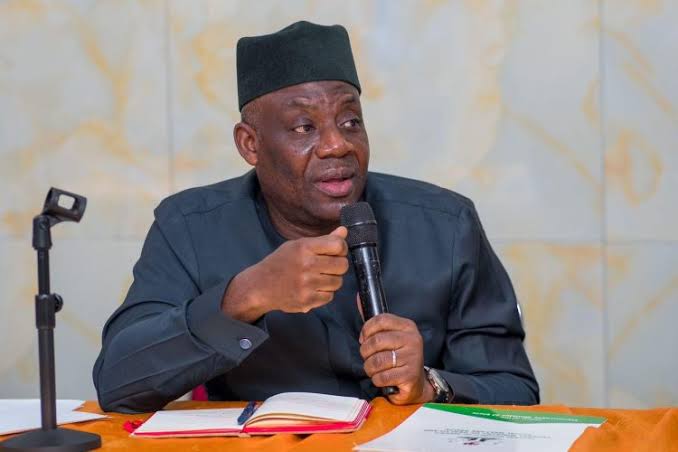
The minister of Education, Dr Maruf Olatunji Alausa, inaugurated the National Committee for the Advancement of Occupational Therapy, Audiology and Speech Therapy Education (NCAOTASTE) in Abuja yesterday to facilitate this agenda.
Inaugurating the committee, Alausa said it is aimed at strengthening human capital development and aligning Nigeria’s education system with emerging healthcare demands.
He identified some of the participating universities involved as Ondo State Medical School, Obafemi Awolowo University, the Federal University of Allied Health Sciences in Enugu and the Federal University of Kashari, among others.
To the committee, the minister said, “They have committed their advanced stage, they have obtained their NUC approval, and we have the list of the other, the entire 20 that we will give to you. But beyond that, you will reach out to those 20 universities, and you have to do outreach as well to all the other schools, because, without disrespect to people in social sciences, I am not saying we do not need them, we are producing too many graduates.”
The committee is chaired by Dr Victoria Omua-Amu, director of Occupational Therapy at Edo Specialist Hospital, Edo State, alongside representatives from the Tertiary Education Trust Fund (TETFUND), the National Universities Commission (NUC), some vice-chancellors and other key scholars.
Alausa emphasised that occupational therapy, audiology and speech therapy are no longer optional fields but essential components of inclusive education, social integration and national productivity.
He observed that only a few universities currently offer structured degree programmes, while existing training often falls short of global standards.
“This gap has serious implications for service delivery, workforce development and our ability to meet both national and international standards,” he said.
He also stressed that with a population of over 200 million people, most of them young, Nigeria cannot afford to neglect critical sectors that directly impact quality of life and economic productivity.
The committee, he said, had been given a clear mandate to transform the landscape. Its responsibilities include working with the universities to establish degree programmes, guiding curriculum development, ensuring accreditation standards and collaborating with regulatory bodies such as the Medical Rehabilitation Therapists Registration Board of Nigeria.
Other key tasks are developing clinical training frameworks, recommending infrastructure requirements, facilitating funding and sustainability and creating pathways for diploma holders to transition into degree programmes.
In her acceptance speech, Dr Omua-Amu expressed gratitude for the opportunity given her to serve, acknowledging that the initiative comes at a critical time when Nigeria must strengthen its healthcare system through quality education, specialised training and professional standardisation.
“These fields are essential yet underdeveloped areas within our healthcare framework. They play a vital role in rehabilitation, inclusion, communication and overall human development,” she said.
We’ve got the edge. Get real-time reports, breaking scoops, and exclusive angles delivered straight to your phone. Don’t settle for stale news. Join LEADERSHIP NEWS on WhatsApp for 24/7 updates →
Join Our WhatsApp Channel