The federal government has introduced sweeping reforms to strengthen transparency and block leakages in its revenue collection system, directing all Ministries, Departments and Agencies (MDAs) to end the use of physical cash receipts and adopt a unified digital payment and e-receipt framework from January 1, 2026.
The measures, announced through four new circulars issued by the Office of the Accountant-General of the Federation (OAGF) under the supervision of the minister of finance and coordinating minister of the economy, Wale Edun, mark one of the most ambitious upgrades to Nigeria’s public finance architecture since the rollout of the Treasury Single Account (TSA).
The circulars introduce a mandatory cashless payment policy, the adoption of the Federal Treasury eReceipt (FTeR), and the full-scale implementation of the Revenue Optimisation (RevOp) Platform—an integrated digital infrastructure designed to monitor, reconcile, and optimise government revenues in real time.
According to the OAGF, the reforms are central to the government’s wider fiscal strategy aimed at reducing human discretion in revenue administration, curbing corruption, eliminating unauthorised deductions, and ensuring a transparent end-to-end digital trail for all federal payments.
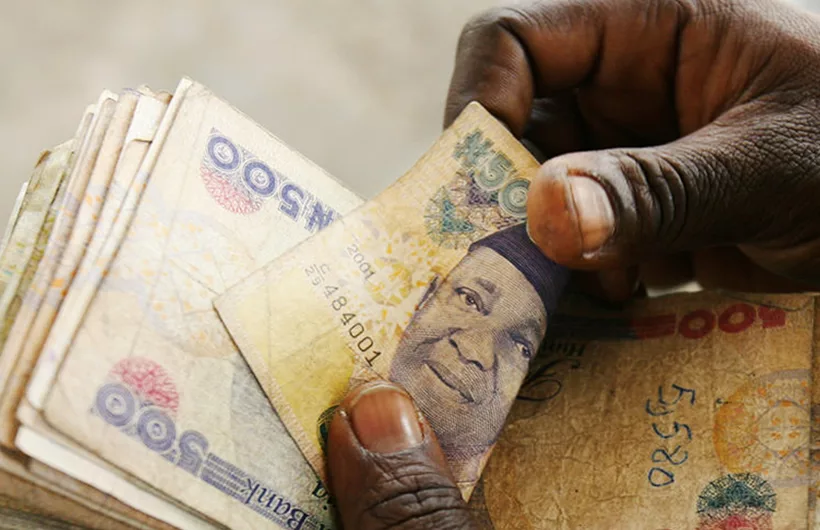
Under the new directives, MDAs are prohibited from issuing or accepting physical cash receipts for any government transaction. All payments to the federal government must now be done electronically, a move the government said will eliminate cash-based fraud, manual leakages, and fragmented collection processes.
The circulars further mandate MDAs to discontinue the use of customised applications deployed on unapproved Payment Solution Service Providers (PSSPs). In addition, no deductions—whether termed fees, commissions, or charges—are allowed at the point of collection. Instead, the gross amount collected from any payer must be remitted directly into the TSA without exception.
Officials said these controls are intended to prevent significant leakages arising from unauthorised intermediary platforms and to reinforce the government’s commitment to transparent financial governance. The FTeR becomes the only valid receipt from January 1, 2026.
A major highlight of the reforms is the introduction of the Federal Treasury eReceipt (FTeR), which becomes the only legally recognised receipt for all federal government payments effective January 1, 2026. The new receipt system is centrally issued and digitally generated through the RevOp platform, making fake or unverifiable paper receipts impossible.
The FTeR will be automatically sent to payers through channels selected by each MDA. With this system, every transaction becomes traceable, searchable, and auditable in real time—an advancement expected to significantly boost public confidence in government payment processes.
The OAGF stressed that the January 1, 2026 effective date should be taken seriously by MDAs, financial institutions, and the public as the federal government moves towards a fully digital revenue environment.
The government also confirmed the nationwide rollout of the Revenue Optimisation (RevOp) Platform, now approved as the central end-to-end revenue management tool for all federal MDAs.
RevOp provides a unified billing system, automated reconciliation, digital tracking of payments, and real-time dashboards for monitoring the performance of revenue-generating agencies. It is fully integrated with TSA, GIFMIS, CBN, NIBSS, and the Federal Inland Revenue Service (FIRS), offering a 360-degree view of federal revenues.
According to the finance ministry, the platform will streamline processes for MDAs and enhance the enforcement of financial regulations while offering a single source of truth for all government revenue data.
The new measures align with the minister of Finance’s broader agenda of deploying technology to modernise Nigeria’s public finance system. The reforms are expected to improve revenue mobilisation, curb wastage, strengthen accountability, and minimise opportunities for manipulation or fraud.
The ministry added that the shift towards digital systems would also improve the ease of paying for government services, offering Nigerians a more predictable and secure experience.
As Nigeria continues its push toward global best practices in digital governance and treasury operations, analysts say the reforms could mark a transformative moment in federal revenue management—potentially reshaping the country’s financial landscape for years to come.
We’ve got the edge. Get real-time reports, breaking scoops, and exclusive angles delivered straight to your phone. Don’t settle for stale news. Join LEADERSHIP NEWS on WhatsApp for 24/7 updates →
Join Our WhatsApp Channel