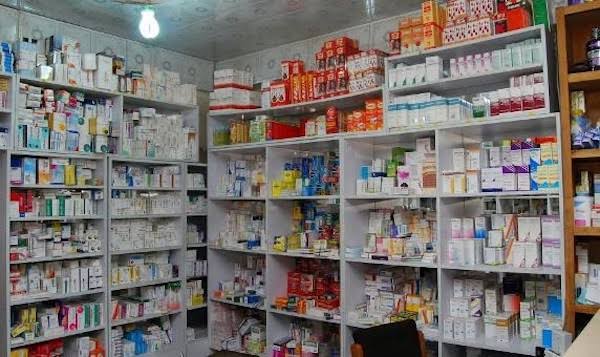
The federal government of Nigeria has announced plans to tap into the $200 billion global market for Active Pharmaceutical Ingredients (APIs), as a strategic move to enhance its pharmaceutical industry.
The federal government aims to position the country as a key player in the production and supply of APIs, which are essential for the manufacturing of drugs. The initiative is part of Nigeria’s broader strategy to reduce its dependency on imported pharmaceuticals and to stimulate local production, thereby, ensuring the availability of essential medicines.
By developing a robust API manufacturing sector, Nigeria hopes to address the recurrent issues of drug shortages and high medicine costs.
The coordinating minister of Health and Social Welfare, Prof. Ali Pate, disclosed this at the 2nd regional workshop on Manufacturing of Active Pharmaceutical Ingredients (APIs) and Excipients in Nigeria, organised by the National Agency for Food and Drug Administration and Control (NAFDAC), in partnership with the USAID, World Health Organization (WHO), USP, Bill and Melinda Gate Foundation and Nigeria Sovereign Investment Authority (NSIA), on Monday, in Lagos.
Pate, who was represented by the national coordinator of the Presidential ‘Unlocking Healthcare Value-Chain’ Initiative, Dr. Abdu Mukhtar, said Nigeria import almost 80 percent of its medicines, almost 100 percent of vaccines and almost 99 percent of its medical devices, including diagnosis tests and kits.
To reverse this trend, Pate said, the federal government has come up with the presidential initiative, adding that, “The initiative has a very clear target, and our plan is actually to bring about reduction, and more so reversal of those numbers. We are aiming to produce locally at least 10 to 20 per cent of the APIs that we consume in this country. Now, 10 to 20 percent may sound quite low, but this is again moving from zero.”
The director general of NAFDAC Prof Moji Adeyeye said, there is nothing wrong with the importation of medical products, but Nigeria became addicted.
“About six years ago, I challenged the pharmaceutical manufacturers to look inward. They responded, hence the reason we are having this crucial meeting today. The workshop will empower them with the right knowledge and tools for the manufacturing of APIs and the regulatory requirements,” she added.
In the same vein, WHO representative in Nigeria, Dr. Walter Kazadi Mulombo said the APIs Global market was worth about $200 billion last year with a projected growth of almost $400 billion by 2030. “So it’s a very lucrative market and for good reason,” he added.
He applauded the federal government of Nigeria for its move in local production of APIs, adding that, “The local manufacturing of APIs is a strategic decision in aligning the vision and agenda of the coordinating minister of Health and Social Welfare and this administration on unlocking the healthcare value chain, particularly on the local manufacturing of medicine, diagnostics and other healthcare commodities.”
The executive director and chief investment officer, NSIA, Kolawole Owodunni, said Africa is rich in natural resources with a young dynamic workforce; however, it faces challenges in its healthcare sector.
One of the key issues is the dependency on imported APIs and imported finished pharmaceutical products, Owodunni said, adding that, “Currently, over 90 percent of the APIs and excipients used in Africa are imported into the continent, mostly from Asia and Europe. This dependency poses critical problems and there are two of those that we have experienced or are currently experiencing.”
As Nigerians face devaluation of national currency and the rising costs of importing raw materials, which translate directly into the rising costs of finished pharmaceutical products, Owodunni, who was represented by healthcare consultant at NSIA, Funke Falade, said investing in API and excipient manufacturing in West Africa is vital for achieving healthcare security, progressing towards self-reliance.
“We can manufacture everything or we can progress to some sort of self-reliance and can increase the availability of medicine, ensuring the steady and reliable supply of essential medicines. By producing APIs and excipients locally, perhaps we can also contribute to drug discovery and tailoring medicines to meet the specific health needs of its diverse population. Also, a robust local API and excipient manufacturing facility, will definitely enhance the region’s national regulatory agency’s maturity because they do have to rise up to the occasion to be able to regulate a local API and excipient manufacturing industry,” he added.
We’ve got the edge. Get real-time reports, breaking scoops, and exclusive angles delivered straight to your phone. Don’t settle for stale news. Join LEADERSHIP NEWS on WhatsApp for 24/7 updates →
Join Our WhatsApp Channel