
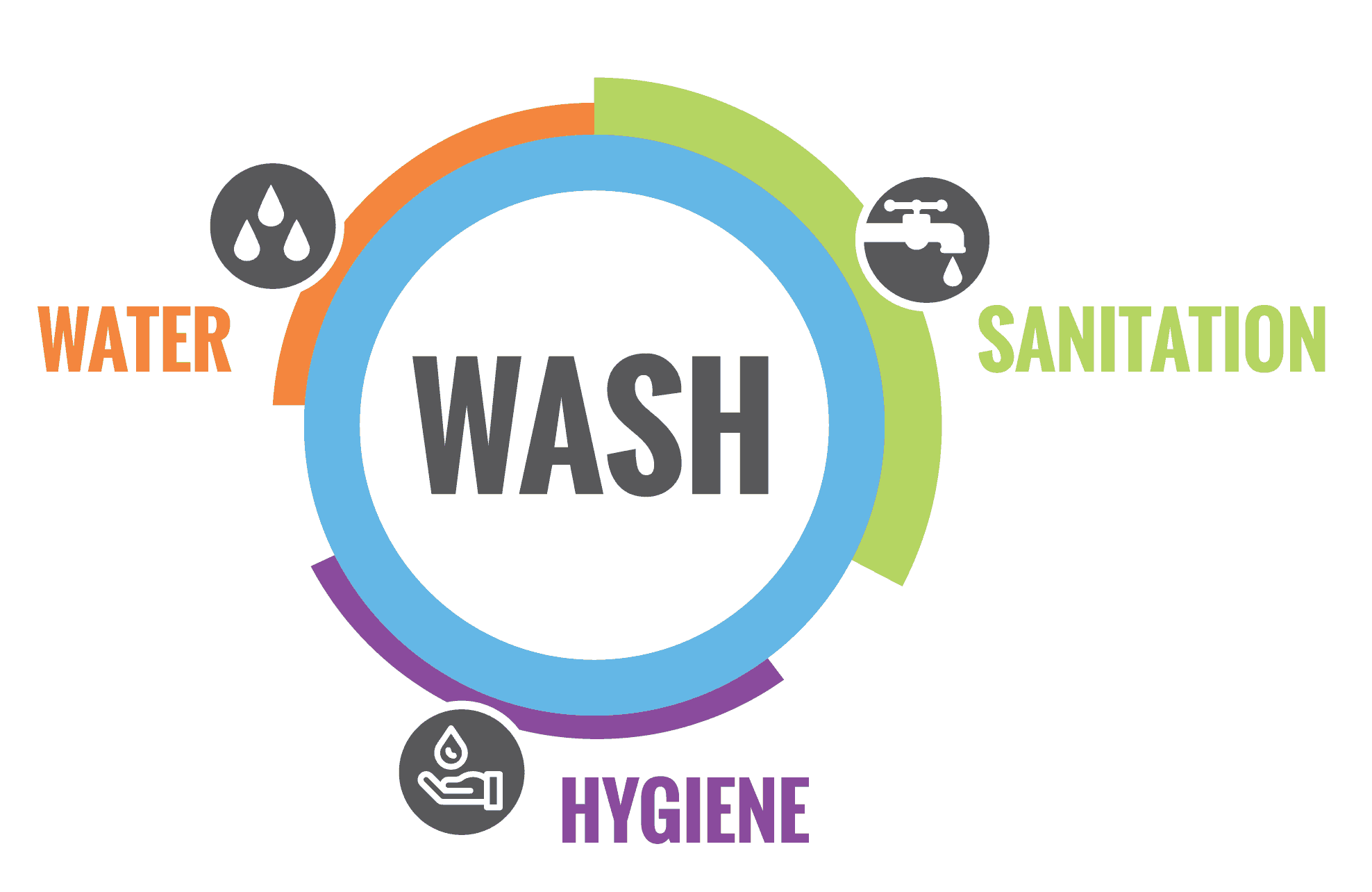
The federal government has reaffirmed its commitment to advancing sustainable and climate-resilient water, sanitation and hygiene (WASH) services through strengthened collaboration with UNICEF Nigeria.
This followed a courtesy visit by the newly appointed Chief of WASH at UNICEF Nigeria, Emily Rand, alongside WASH Manager, Jolly Ann Maulit, to the Minister of Water Resources and Sanitation, prof. Joseph Utsev, and the Permanent Secretary, Emanso Okop Umobong, in Abuja.
The meeting highlighted renewed efforts to deepen collaboration in line with Nigeria’s development priorities and the United Nations-backed Sustainable Development Goals, particularly in improving public health outcomes, sanitation, and sustainable water resource management.
Speaking during the meeting, Prof. Utsev commended UNICEF for its longstanding contributions to Nigeria’s WASH sector, noting that the partnership has significantly supported interventions across the country. He, however, identified sustainability as a major challenge, calling for coordinated efforts to ensure long-term impact of WASH programmes.
The minister said the ministry would work closely with its technical teams to harmonise ongoing initiatives, identify gaps, and define priority areas requiring UNICEF’s intervention. He also stressed the need for a more proactive engagement model, anchored on regular collaboration to improve programme design, implementation, and sustainability.
Prof. Utsev reaffirmed the federal government’s commitment to building a results-driven partnership with UNICEF that delivers measurable improvements in water supply, sanitation, and hygiene services nationwide.
Responding, Rand reiterated UNICEF’s commitment to supporting Nigeria through impactful and results-oriented programmes, adding that initiatives demonstrating measurable outcomes would continue to attract funding and support.
She also highlighted opportunities to mobilise resources, particularly through climate financing, to expand WASH access for children.
Similarly, Maulit noted that several of the ministry’s priorities are already aligned with UNICEF’s plans, including water quality analysis, WASH information systems, technical assistance, public-private partnerships, and sustainability initiatives.
She added that efforts are ongoing to support impact assessment and Open Defecation Free (ODF) sustainability programmes.
Both UNICEF officials emphasised the importance of scaling climate-resilient WASH approaches, strengthening sector-wide sustainability, and improving data-driven planning.
The meeting also featured presentations from directors and agencies within the ministry, who outlined ongoing programmes, achievements, and key areas requiring technical support from UNICEF.
We’ve got the edge. Get real-time reports, breaking scoops, and exclusive angles delivered straight to your phone. Don’t settle for stale news. Join LEADERSHIP NEWS on WhatsApp for 24/7 updates →
Join Our WhatsApp Channel