The federal government has firmly ruled out any return to fuel subsidy and price controls, reinforcing its commitment to market-driven reforms designed to stabilise the economy and attract long-term investment.
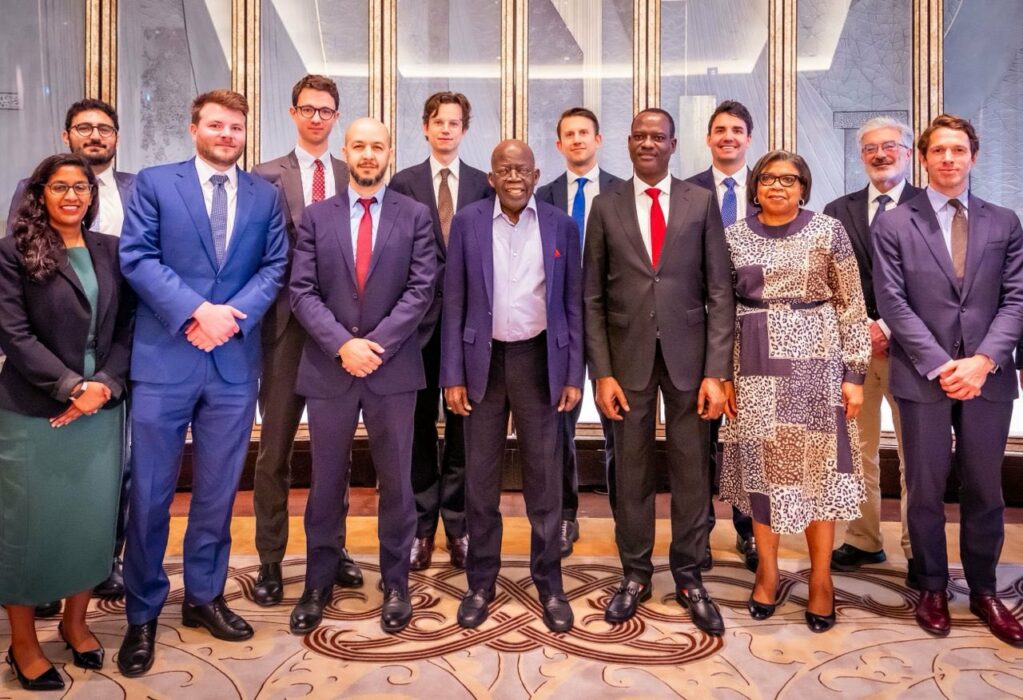
The minister of Finance and Coordinating Minister of the Economy, Taiwo Oyedele, made this position clear during high-level engagements with global investors in Paris, France, where he outlined the administration’s economic direction and reform priorities.
Speaking against the backdrop of persistent domestic and global economic pressures, Oyedele said the government would not reverse the removal of petrol subsidy, describing it as a policy that historically distorted the economy and strained public finances.
“We will not bring back subsidy because it creates distortions for the economy, and we won’t introduce price control because we believe in the market,” he said.
His remarks reaffirm a central pillar of the current administration’s economic strategy, which prioritises liberalisation, fiscal discipline and private sector-led growth.
Subsidy removal, implemented in 2023, had long been advocated by multilateral institutions and policy groups. Both the International Monetary Fund (IMF) and the Nigerian Economic Summit Group (NESG) have consistently warned against reinstating fuel subsidies, arguing that such policies are fiscally unsustainable and disproportionately benefit higher-income groups rather than the most vulnerable.
The IMF, in several post-reform assessments, has urged Nigeria to sustain subsidy removal while redirecting savings to targeted social interventions and infrastructure investment. Similarly, the NESG has emphasised that policy reversals could erode investor confidence and undermine the credibility of ongoing economic reforms.
Analysts note that Nigeria previously spent trillions of naira annually on fuel subsidies, significantly constraining fiscal space and contributing to rising public debt. The discontinuation of the subsidy is therefore seen as a critical step toward improving government finances and enabling more productive public spending.
Oyedele told investors that the government’s approach is anchored on allowing market forces to determine prices, a move he said would enhance efficiency, encourage competition and create a more predictable business environment.
He added that Nigeria is working to position itself as a preferred investment destination, particularly as shifting global dynamics reshape energy markets.
According to him, recent geopolitical tensions, including developments involving Iran, have created new opportunities for countries like Nigeria as global players seek to diversify energy sources and investment portfolios.
“The situation presents new opportunities for us as the world looks to diversify sources of energy and invest in new markets,” he said.
To capitalise on these shifts, the government is advancing reforms across the oil and gas sector, alongside broader initiatives to improve the ease of doing business, strengthen regulatory frameworks and expand infrastructure.
Oyedele also highlighted recent economic performance indicators, noting that Nigeria recorded a Gross Domestic Product growth rate of 11.2 per cent in US dollar terms in 2025. He described this as a strong signal of economic recovery and a foundation for sustained expansion.
The growth, he said, aligns with the administration’s ambition of building a one trillion dollar economy by 2030—a target that hinges on consistent reform implementation, increased productivity and stronger investment inflows.
Economic experts say achieving this target will depend largely on policy consistency. Frequent reversals, particularly on high-impact reforms like fuel subsidy removal, could weaken macroeconomic stability and deter both domestic and foreign investors.
Oyedele reiterated that the government remains focused on strengthening revenue generation, supporting industrialisation and creating jobs through a combination of fiscal and structural reforms.
These include efforts to broaden the tax base, improve public financial management, enhance energy supply and drive infrastructure development.
He assured investors that Nigeria remains open for business, with a clear commitment to maintaining reforms that promote transparency, competitiveness and long-term growth.
“Our goal is to build a stable, predictable and investment-friendly economy,” he said.
For many observers, the government’s firm stance against subsidy reinstatement sends a strong signal of policy continuity at a time when investor confidence is closely tied to reform credibility.
While short-term challenges persist, particularly around inflation and cost-of-living pressures, policymakers argue that sustaining market-oriented reforms remains the most viable path to achieving durable economic stability and inclusive growth.
We’ve got the edge. Get real-time reports, breaking scoops, and exclusive angles delivered straight to your phone. Don’t settle for stale news. Join LEADERSHIP NEWS on WhatsApp for 24/7 updates →
Join Our WhatsApp Channel