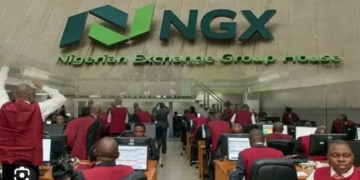
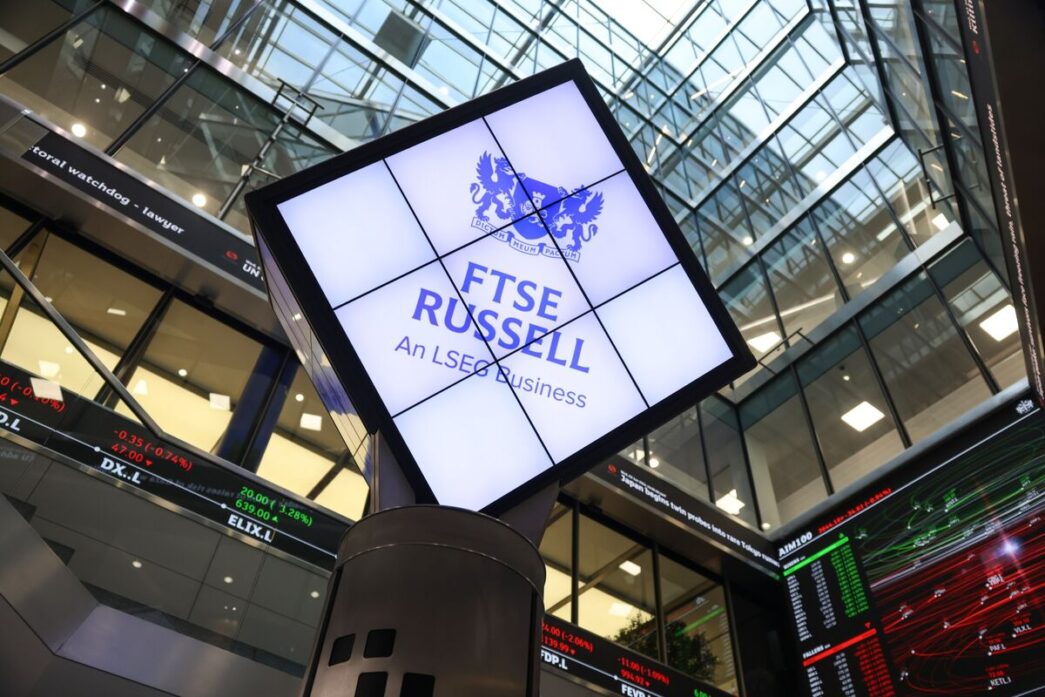
The reclassification of Nigeria as a frontier market by FTSE Russell will boost foreign investor confidence and increase patronage of the Nigerian capital market, Analysts said.
FTSE Russell announced that Nigeria would be reclassified from ‘Unclassified’ to Frontier Market status, effective September 21, 2026.
However, FTSE Russell subsequently placed the planned reclassification under further review, particularly due to concerns about Nigeria’s implementation of the T+1 settlement cycle.
The provider said it would conduct a further assessment and issue an update by the end of August 2026.
Speaking on the development, the vice president of Highcap Securities Limited. Adnori said FTSE’s classification is a key signal to global investors because many rely on the agency’s ratings to make dispassionate investment decisions.
“FTSE is a foremost index and rating agency in the world. For a market to be under their classification is a milestone. It is an indication that such a market has come of age,” he said.
Adnori noted that the reclassification was initially met with concern weeks ago, but sustaining Nigeria’s frontier market status is positive for market perception.
He added that beyond the market, the move will have wider economic benefits.
“If foreign investors bring in hard currency, there will be a multiplier effect on the economy. It will boost the foreign exchange market and help to strengthen the Naira.”
The managing director of Globalview Capital Limited, Aruna Kebira said the reclassification signals to global investors that Nigeria is ‘a new place to make money’, with market risk and currency risk key considerations in FTSE’s decision.
He noted that the move to T+1 settlement by CSCS was crucial, saying that “now that T+1 is working, the settlement risk has reduced. That is good and will help to attract more foreign investors.”
On the broader economy, Kebira explained that while foreign direct investment may not only come directly to the market, there will be steady portfolio flows.
“If the capital market is not doing well, investors move money to the money market. The major player there is government, which gets access to funds to borrow. Banks also earn from transaction costs on the movement of millions and trillions of naira,” he added.
A senior stockbroker, Mr. Tunde Oyediran said the elevation of Nigeria’s market status will increase its visibility on the global stage and draw the attention of international investors and financial institutions.
“This heightened visibility is likely to stimulate more comprehensive transactions and a greater volume of business activity within Nigeria’s capital market,” he stated.
According to him, the reclassification could pave the way for enhanced investment opportunities and improved liquidity.
He added that the development will ultimately contribute to the overall growth and stability of the Nigerian economy, as more foreign capital flows into the market and domestic activity picks up.
We’ve got the edge. Get real-time reports, breaking scoops, and exclusive angles delivered straight to your phone. Don’t settle for stale news. Join LEADERSHIP NEWS on WhatsApp for 24/7 updates →
Join Our WhatsApp Channel