
The United States Department of State has issued updated travel and security guidance for Americans across 13 Middle Eastern and South Asian countries amid rising regional tensions following US and Israeli military strikes on Iran, including the capital Tehran.
The Department of State introduced a three-tier travel advisory system, urging US citizens abroad to stay alert, limit movement, or leave where possible.
The advisory categories provide detailed, destination-specific risk information to help Americans make informed decisions about travel and personal safety.
Level 4 – Do Not Travel
Iran: No US Embassy; Americans advised to shelter in place.
Iraq: Exercise caution, limit movements, shelter in place as needed.
Lebanon: Depart now via commercial options.
Level 3 – Reconsider Travel
Bahrain: Shelter in place.
Israel: Shelter in place.
Kuwait: Shelter in place.
Pakistan: Exercise caution, avoid large gatherings (some areas are Level 4).
Qatar: Shelter in place.
Level 2 – Exercise Increased Caution
Egypt: Exercise caution.
Jordan: Shelter in place and avoid US Embassy area.
Oman: Shelter in place in Duqm and within 100 km of Salalah.
Saudi Arabia: Shelter in place in Dhahran.
United Arab Emirates: Shelter in place.
The travel alerts follow strikes authorised by the US and Israel targeting sites linked to Iran’s missile and military programmes.
US officials described the operation as a move to “eliminate imminent threats” and dismantle Iran’s missile production infrastructure and naval capabilities.
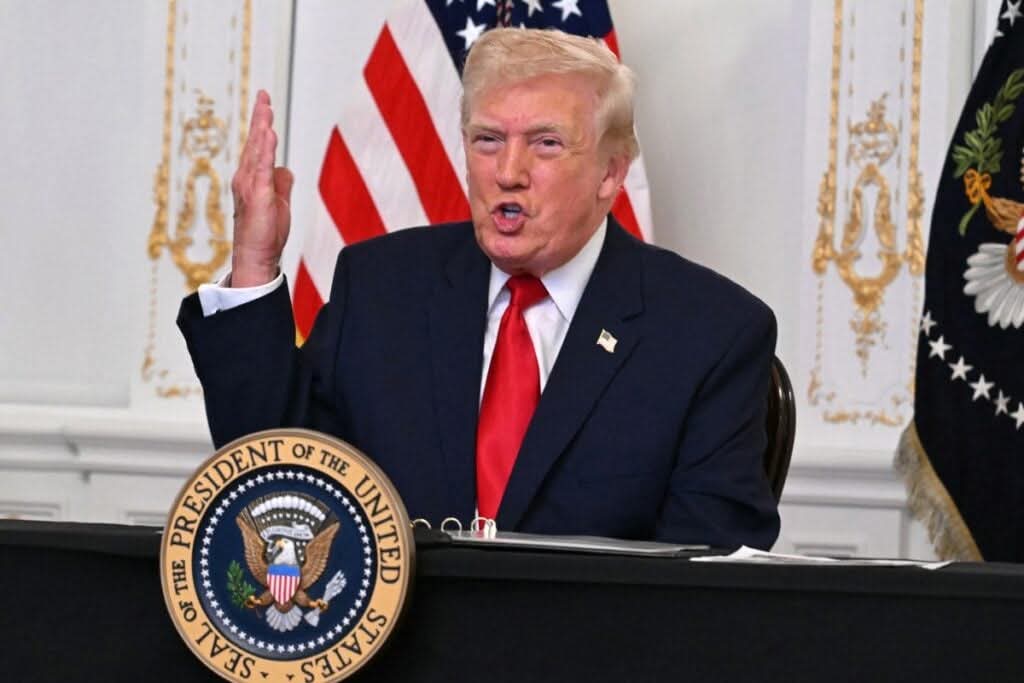
United States President Donald Trump also disclosed that Iran’s supreme leader had been killed in the strikes, a statement later confirmed by Iranian state media, which declared 40 days of mourning and seven days of public holiday.
Earlier, the Department of State instructed all American personnel in several Middle Eastern countries to shelter in place following the US-Israel strikes, which triggered explosions and plumes of smoke in Tehran.
The advisories apply to citizens in Qatar, the UAE, Bahrain, Jordan, Israel, and other regional countries. Embassy officials have urged Americans to remain indoors and use 24-hour emergency consular lines for assistance.
Officials emphasised that the guidance is part of a broader effort to protect Americans abroad while regional tensions remain high. The situation is fluid, and the Department of State continues to monitor developments closely, updating citizens as needed.
We’ve got the edge. Get real-time reports, breaking scoops, and exclusive angles delivered straight to your phone. Don’t settle for stale news. Join LEADERSHIP NEWS on WhatsApp for 24/7 updates →
Join Our WhatsApp Channel