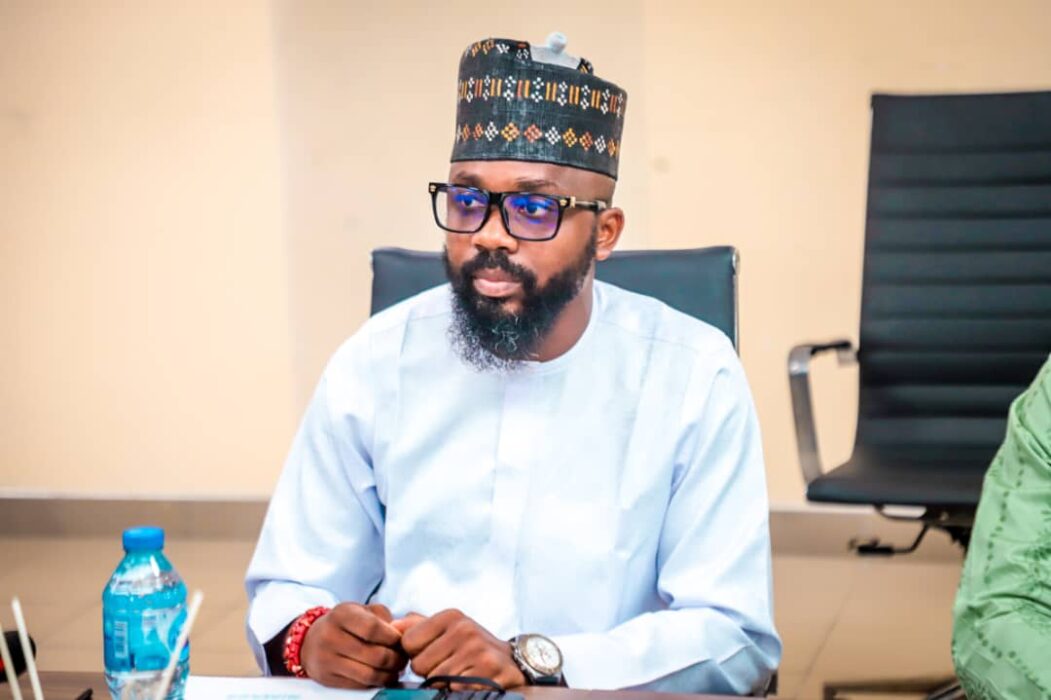
A member of the Governing Council of the Nigeria Maritime University (NMU), Benedict Aguele, has proposed the adoption of a lifelong learning model as a solution to the persistent funding challenges facing Nigerian federal universities.
Aguele made the recommendation after participating in the National Institute Capacity Building Retreat for Governing Council Members of Federal Universities held in Calabar.
The retreat, themed “Repositioning University Governance for National Transformation,” brought together stakeholders to examine administrative and financial constraints limiting the growth of tertiary institutions.
Speaking on the outcome of the three-day event, Aguele said the current “front-loaded” education model where universities depend largely on revenue from conventional degree programmes is no longer sustainable in a volatile economic environment.
“We cannot continue to rely on a funding model that is essentially on life support,” he said, noting that the 2024 education budget allocation of about 6.3 per cent falls significantly short of the 15 to 20 per cent global benchmark.
He stressed the need for universities to evolve into centres for continuous learning, capable of generating alternative revenue streams beyond traditional degree programmes.
According to him, experts at the retreat highlighted the growing global market for professional upskilling and continuous education, which Nigerian universities have yet to fully explore.
Aguele proposed that institutions should “unbundle” their offerings by introducing short-term, high-impact certification programmes targeted at working professionals.
“The solution lies in creating value for those with the ability to pay,” he said. “If universities develop specialised, digital-first certifications in areas such as fintech, agribusiness and renewable energy, they can attract mid-career professionals and generate recurring revenue.”
He added that adopting digital learning platforms would enable universities to scale delivery without significant investment in physical infrastructure.
“By leveraging Learning Management Systems, institutions can reach thousands of learners simultaneously,” he said.
Aguele also expressed concern that revenue from professional certification programmes is currently flowing to foreign platforms, urging local universities to develop context-specific content tailored to Nigeria’s economic and regulatory environment.
“By localising these programmes, universities can capture this market, diversify their income sources and reduce dependence on government funding,” he added.
He maintained that embracing lifelong learning is both an academic and financial necessity for the sustainability of tertiary education in Nigeria.
“Education should no longer be seen as a one-time achievement but as a continuous process that supports lifelong development and economic advancement,” he said.
We’ve got the edge. Get real-time reports, breaking scoops, and exclusive angles delivered straight to your phone. Don’t settle for stale news. Join LEADERSHIP NEWS on WhatsApp for 24/7 updates →
Join Our WhatsApp Channel