Nigeria’s electricity generation companies (GenCos) are on the brink of a total shutdown due to an outstanding debt of approximately ₦4 trillion owed by the Federal Government, which they say is currently threatening their operations.
The debt, comprising legacy obligations and unpaid subsidies for 2024, is severely undermining the power sector’s ability to function optimally.
The chairman, Board of Trustees of the Association of Power Generation Companies (APGC), Col. Sani Bello (retd), who revealed this, stated that GenCos are currently owed ₦2 trillion for power supplied in 2024 and ₦1.9 trillion in legacy debts.
The companies noted that power plants are being paid less than 30 per cent of their monthly invoices for electricity supplied to the national grid.
They have therefore called for the implementation of payment plans to settle all outstanding GenCos’ invoices, observing that “the flow of money within the power industry is one of the fundamental problems preventing Nigerians from enjoying continued and sustainable improvements in electricity supply.”
The companies said the GenCos have continued to bear the brunt of the liquidity crisis in the Nigerian Electricity Supply Industry (NESI).
They added that expectations of being settled through external support, such as the World Bank’s Power Sector Recovery Operation (PSRO), have also been dampened due to other market participants’ inability to meet their respective Distribution-Linked Indicators (DLIs), enshrined in the Power Sector Recovery Programme (PSRP).
“In light of the severity of the issues highlighted above, the GenCos are requesting that immediate and expedited action be taken to prevent national security challenges that may result from the failure of the GenCos to sustain steady electricity generation for Nigerians.
“GenCos, on their part, as responsible investors with patriotic zeal, have made large-scale investments and have continued to demonstrate absolute commitment by ramping up capacities in line with their contracts over the past 10 years, despite system constraints, policies and regulations that are not investor-friendly, increasing debts owed by the Federal Government without a clear financing plan, lack of firm contracts, and a market without securitisation, relying instead on best endeavours — thereby hampering future planning.
“Notwithstanding these and other severe difficulties the GenCos have battled with since the takeover in 2013, they have adhered to the terms of their contractual agreements by increasing capacity, which has largely been constrained by systemic factors,” the GenCos said.
They noted that due to the numerous challenges facing the power sector in Nigeria, the liquidity crisis has become the most pressing, reducing GenCos’ ability to fulfil their obligations and threatening to collapse the entire electricity value chain.
GenCos added, “The 2024 collection rate has dropped below 30 per cent, and 2025 is not faring any better, severely affecting GenCos’ ability to meet financial obligations.
“Tax and regulatory challenges — including high corporate income tax, concession fees, royalty charges, and new FRC compliance obligations — are further straining GenCos’ revenue. GenCos are currently owed about ₦4 trillion (₦2 trillion for 2024 and ₦1.9 trillion in legacy debts). No viable solutions, including cash payments, financial instruments, or debt swaps, are in sight.
“The 2025 government budget allocated only ₦900 billion, raising concerns about its adequacy to cover arrears and future payments.”
The companies pointed out that the power generated by GenCos continues to be fully consumed without corresponding full payment.
They added that despite the commencement of the Partial Activation of Contracts in the NESI, which took effect from 1 July 2022, the minimum remittance order, bilateral market declaration, and waterfall arrangement remain ineffective. Coupled with risks from inflation, forex volatility (with no dedicated window to cushion the impact), and the supplementary MYTO order — which leaves about 90 per cent of GenCos’ monthly invoices unmet — the lack of bankable securitisation or financing plans presents dire consequences.
“This situation has dire consequences for the GenCos and, by extension, the entire power value chain,” they said.
Nigeria currently has 40 power-generating plants connected to the national grid, managed by generation companies (GenCos), independent power providers, and the Niger Delta Power Holding Company.
LEADERSHIP reports that the NESI faces several critical challenges that hinder its growth and reliability, such as decaying transmission infrastructure, insecurity, and regulatory and market inefficiencies.
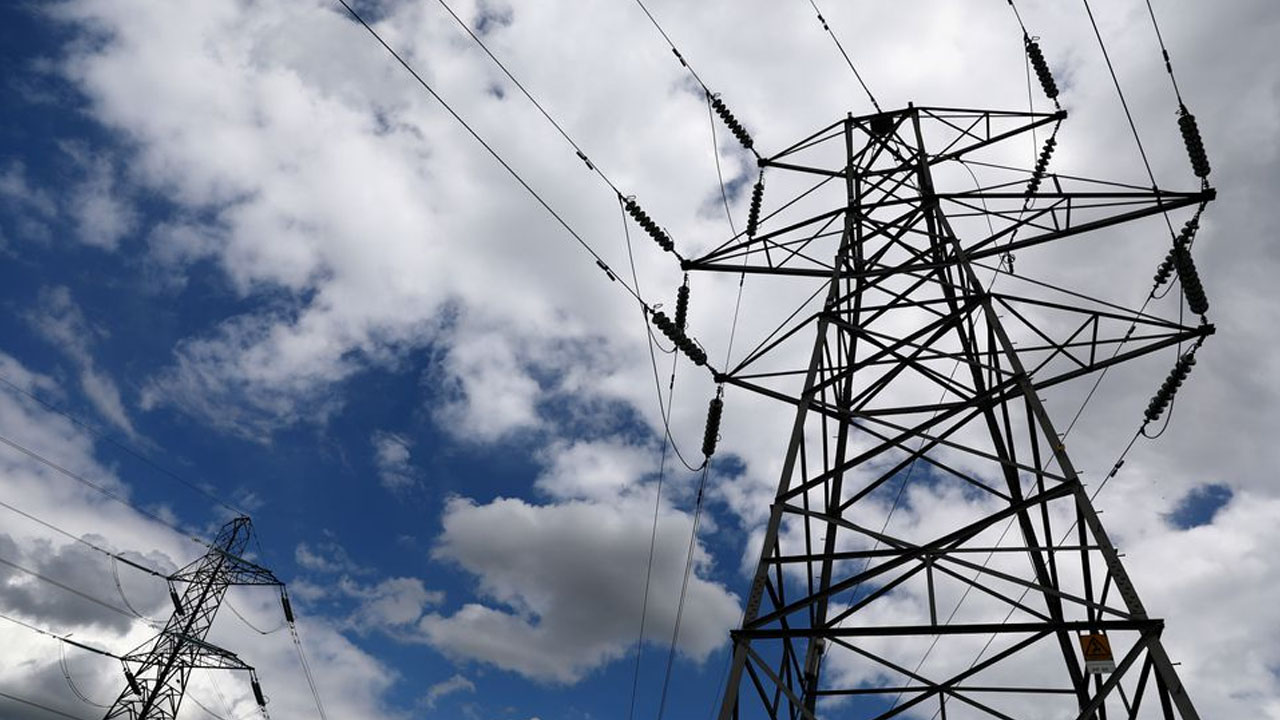
Ageing and obsolete transmission lines and substations frequently lead to grid collapses. Vandalism and attacks on power infrastructure remain rampant, with over 60 transmission towers destroyed in 2024 alone. These have severely disrupted power supply and caused economic losses.
Inconsistent policies, regulatory bottlenecks, and limited private sector participation in transmission have also slowed progress. The Nigerian Electricity Regulatory Commission (NERC) struggles with enforcement, and the market remains largely state-controlled, limiting innovation and efficiency.
There are also challenges with gas supply and distribution. The sector is constrained by an unreliable gas supply for power generation and inefficiencies in the electricity distribution companies (DisCos), leading to reduced energy off-take and load rejection despite available generation capacity.
Financial constraints and massive debts owed to GenCos and other players — totalling around ₦4 trillion — continue to threaten operational sustainability and risk the shutdown of power plants, among other issues.
Stakeholders say that addressing these challenges requires coordinated government action, regulatory reform, enhanced security measures, and increased private sector involvement to ensure a stable and sustainable power supply in Nigeria.
We’ve got the edge. Get real-time reports, breaking scoops, and exclusive angles delivered straight to your phone. Don’t settle for stale news. Join LEADERSHIP NEWS on WhatsApp for 24/7 updates →
Join Our WhatsApp Channel