In an era of improved global connectivity, health outcomes and funding disparities are stark reminders of the inequities that still pervade society. Despite remarkable medical science and technology advancements, the quest for global health equity remains a formidable challenge, particularly given funding constraints.
Global health issues span from the fight against diseases like malaria and tuberculosis to the rising burden of non-communicable diseases such as diabetes and cardiovascular conditions. The COVID-19 pandemic underscored the interconnectedness of global health: a virus that starts in one corner of the world can swiftly provoke an international crisis. This interconnectedness highlights the critical need for robust, sustained funding to address large and small health crises.
The financial resources allocated to global health initiatives are often insufficient to meet the needs. According to the World Health Organisation (WHO), the global health funding gap is billions of dollar annually. While high-income countries contribute a significant portion of international health aid, it is often directed towards high-profile emergencies rather than strengthening sustainable, long-term health systems. This episodic funding approach fails to address the underlying systemic issues, leaving many health programmes underfunded and vulnerable.
The WHO recently appealed for funds to assist millions in 54 countries facing catastrophic health emergencies triggered by multiple artificial and natural disasters, especially Mpox. The world body specifically asked for $135 million in funding over the next six months from September 2024 to February 2025 to cover the costs of securing and transporting medical products and equipment and ramping up staffing in affected areas.
Mpox belongs to the same family of viruses as smallpox but causes milder symptoms, including fever, chills, and body aches. It mainly spreads through close skin-to-skin contact, including sexual intercourse. People with more severe cases can develop lesions on the face, hands, chest, and genitals.
A 2022 global pox outbreak resulted in the shutdown of more than 70 countries within months. Vaccines and treatments were made available in wealthy nations, but hardly any doses reached Africa. The virus spread largely unnoticed for years in Nigeria and elsewhere before it sparked international concern. Since then, it has steadily sickened people in Congo, with few practical containment efforts.
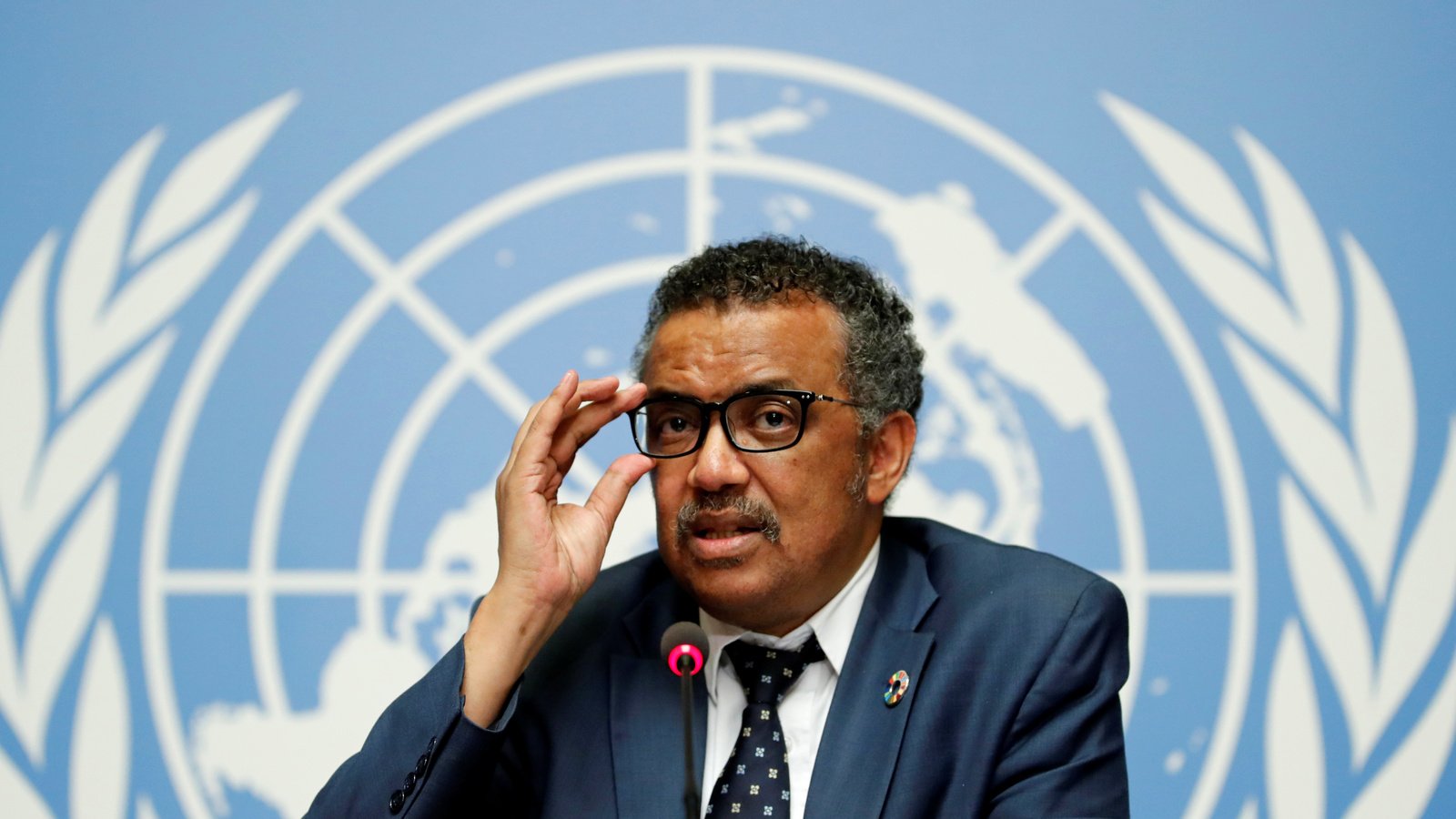
However, the Director-General of WHO, Dr Tedros Adhanom Ghebreyesus, recently assured that with adequate global funding, Mpox outbreaks in Africa can be brought under control. Governments, international agencies, and others need to work together to get tests and vaccines to affected areas.
Philanthropic efforts like those from the Gates Foundation are crucial in bridging funding gaps. However, these funds are often earmarked for specific diseases or initiatives rather than supporting comprehensive health systems. This can create a patchwork of interventions that lack coherence and sustainability.
One of the primary challenges in global health funding is resource allocation. Donor countries and organisations prioritise short-term, high-impact projects over long-term systemic improvements. This can lead to a cycle of dependency, where countries receive aid for specific diseases but lack the infrastructure to manage broader health needs effectively.
A shift in approach is necessary to overcome these challenges. First, there must be a commitment to long-term investments in health systems. This includes strengthening healthcare infrastructure, training healthcare workers, and improving data systems to better understand and address health needs.
Also, funding mechanisms need to be retooled. Pooling resources from multiple stakeholders—governments, international organisations, the private sector and civil society—can create more stable and predictable funding streams. Initiatives like the Global Fund to Fight AIDS, Tuberculosis, and Malaria demonstrate the potential of such collaborative approaches, but more comprehensive models are needed.
Ultimately, addressing global health challenges requires a spirit of international solidarity. Health equity responsibility lies not solely with donor countries or organisations but with the worldwide community. By fostering partnerships and collaborative approaches, we can create a more equitable health landscape.
While global health funding challenges are significant, they are not insurmountable. We can work towards a future where health disparities are significantly reduced through strategic investments, innovative financing, and a commitment to long-term solutions.
The path ahead requires a unified effort, recognising that global health is a shared responsibility and that the health of one is inextricably linked to the health of all. Doing so requires a comprehensive and coordinated action plan between international agencies and national and local partners, civil society, researchers, manufacturers and member states.
We’ve got the edge. Get real-time reports, breaking scoops, and exclusive angles delivered straight to your phone. Don’t settle for stale news. Join LEADERSHIP NEWS on WhatsApp for 24/7 updates →
Join Our WhatsApp Channel