At the ongoing 78th World Health Assembly in Geneva, the director-general of the World Health Organisation (WHO), Dr. Tedros Ghebreyesus, disclosed that the organisation is facing a salary gap of more than $600 million for the next biennium.
He stated that people in at least 70 countries are missing out on treatment, health facilities have closed, health workers have lost their jobs, and individuals are facing increased out-of-pocket health spending due to global funding cuts.
WHO’s Independent Oversight and Advisory Committee reported that the exit of US funds had affected 23.8 million people worldwide, leading to the closure or reduction of services in over 2,600 health facilities.
WHO is currently grappling with a $600 million deficit in its annual budget and anticipates a 21 per cent cut in funding over the next two years.
A report from the annual global health meeting noted that despite repeatedly reducing its budget target for the upcoming biennium, the global health body still faces a $1.5 billion shortfall needed to support its core functions.
Under the administration of former US President Donald Trump, the United States slashed $60 billion in aid, severely impacting global health programmes related to malnutrition, maternal mortality, and the prevention and immunisation of HIV, malaria, tuberculosis, and other infectious diseases.
In the light of these challenges, WHO is urging countries to explore domestic funding options, viewing the crisis as an opportunity to reduce reliance on external health financing and to strengthen local health infrastructure.
We recognise that the WHO plays a crucial role in safeguarding the health and security of people globally by addressing the root causes of disease, building resilient health systems, and responding to health emergencies and disease outbreaks, often in difficult and dangerous environments where few others can operate.
In April this year, the President of the African Development Bank Group, Dr. Akinwumi Adesina, called on Africa to end its dependency on aid. He urged the continent to urgently chart a new course through self-reliance, strategic partnerships, and the utilisation of its vast natural resources in the face of dwindling global aid, rising tariffs, and increasing geopolitical tensions.
According to him, the dismantling of the official development aid agency in the US and similar anti-aid measures in parts of Europe signify the end of old development models. He declared that the era of aid or “free money” is over, and African nations must now pursue development through investment discipline, rather than relying on aid as a component of government revenue.
It is against this backdrop that we must revisit the Abuja Declaration of April 2001, where heads of state of African Union countries pledged to allocate at least 15 percent of their national budgets to the health sector. They also urged donor countries to fulfill the still-unmet commitment of allocating 0.7 percent of their Gross National Product (GNP) as Official Development Assistance (ODA) to developing nations.
This declaration was a bold commitment to strengthen healthcare systems and improve health outcomes across Africa. However, 24 years later, while a few countries have made notable progress, many remain below the 10 per cent benchmark, with some allocating far less.
Nigeria, unfortunately, is among the laggards. The federal government has consistently fallen short of the 15 percent Abuja Declaration benchmark. Since the declaration, annual allocations to the health sector have hovered between 4 and 5 per cent.
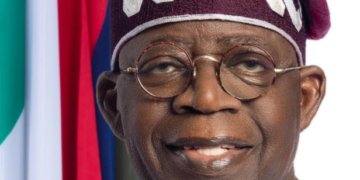
In December 2024, President Bola Ahmed Tinubu presented the proposed 2025 national budget, earmarking N2.48 trillion for health – just 5.2 percent of the total budget. This has raised serious concerns about the government’s commitment to revitalising the sector.
With an estimated population of over 200 million, the consequences of chronic underfunding in Nigeria’s health sector have been severe.
Nigeria continues to record poor health indices -among the worst in Sub-Saharan Africa – including low life expectancy, high maternal and infant mortality rates, and a high prevalence of infectious diseases.
These outcomes are linked to inadequate sanitation, poor access to healthcare, and stark regional disparities.
The persistent underfunding of the health sector is a significant contributor to these dismal statistics.
Until deliberate, sustained, and evidence-based efforts are made to confront the structural and systemic issues undermining the nation’s healthcare system, Nigeria will continue to record poor health outcomes.
Addressing the social determinants of health – such as education, income, housing, and environmental quality – is essential to improving public health and reducing entrenched disparities.
We hold that a vibrant health sector is a pillar of national development. It directly influences life expectancy, productivity, and overall national well-being.
According to research by the University of Boston, a healthier population enjoys a higher quality of life and more years free from illness and disability. This not only benefits individuals and families but also strengthens communities and builds a more resilient nation.
As global funding shrinks and old aid models fade, the message for Nigeria is clear: we must be intentional in investing in the health of Nigerians because it has a direct correlation to national productivity.
We’ve got the edge. Get real-time reports, breaking scoops, and exclusive angles delivered straight to your phone. Don’t settle for stale news. Join LEADERSHIP NEWS on WhatsApp for 24/7 updates →
Join Our WhatsApp Channel