Media practitioners have been urged to renew their commitment to championing ethical child reporting.
The United Nations Children’s Fund (UNICEF) and the federal government of Nigeria, which gave the impetus, stated that upholding the highest ethical standards of journalism, especially on children’s issues, is crucial to shaping the future they deserve.
The UNICEF Chief of the Lagos Field Office, Celine Lafoucriere, and the Permanent Secretary, Federal Minister of Information and National Orientation, Mr Ogbodo Chinasa Nnam, spoke during a two-day training for journalists on Ethical Journalism and Child Rights Reporting, held in Ibadan, Oyo State.
The workshop, which drew participants from the Southwest, Edo, and Delta States, was organised by the Child Rights Information Bureau (CRIB) of the FMINO in collaboration with UNICEF.
In her keynote address, Lafoucriere, who explained that the work of a journalist is vital to the health of our democracy and the well-being of our communities, described ethical reporting as a moral imperative that influences how society views and treats its children and how children see themselves..
Maintaining that responsible storytelling is key to protecting the dignity and well-being of the Nigerian child, she said, “At UNICEF, we believe that every child has the right to be seen, heard, and protected.
It is about ensuring that children are portrayed with dignity, that their stories are told with care, and that their rights are never compromised for whatever gains”.
Speaking further on ethical reporting, the UNICEF boss said, “It protects the most vulnerable. When we report on children, especially those affected by violence, conflict, or abuse, we must do so with the utmost sensitivity. Protect their identities, avoiding sensationalism, and ensuring that their voices are heard safely and respectfully.’’
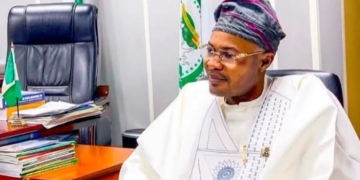
The federal ministry’s Permanent Secretary, represented by the Assistant Director/Head of CRIB at FMINO, Mr Falayi Temitoye, stated that the training is designed to help journalists reflect on their ethical obligations as media practitioners.
“To explore best practices for reporting on children’s issues, and strengthen our understanding of child rights as enshrined in national laws and international conventions. We aim to build a media culture that protects children’s identities, amplifies their voices responsibly, and upholds the highest ethical standards,” he said.
We’ve got the edge. Get real-time reports, breaking scoops, and exclusive angles delivered straight to your phone. Don’t settle for stale news. Join LEADERSHIP NEWS on WhatsApp for 24/7 updates →
Join Our WhatsApp Channel