Cybersecurity firm Kaspersky has urged smartphone users to adopt stronger security measures, warning that while mobile phones have become the primary gateway to the internet for millions of people, users’ security practices have failed to keep pace with the growing volume of sensitive information stored on the devices.
The warning follows a global survey commissioned by the company, which found that 58 per cent of respondents now use smartphones as their primary device for accessing the internet, underscoring the increasing dependence on mobile devices for banking, communication, shopping, work and other digital services.
According to the survey, members of Generation Z (18-28 years) are the most active smartphone users, with 67 per cent identifying their phones as their main gateway to the internet. However, the report noted that many users continue to underestimate the cybersecurity risks associated with storing large volumes of personal and financial information on their devices.
Commenting on the findings, Marina Titova, Vice President of Consumer Product Marketing at Kaspersky, said smartphones had evolved into digital hubs containing vast amounts of sensitive information.
“Our smartphones have become digital vaults, storing everything from banking credentials to personal memories. Yet many people still underestimate the importance of protecting them with the same level of care they would apply to a laptop or desktop computer,” she said.
The survey revealed that users increasingly rely on smartphones to store passwords, financial records, photographs, work documents and identity information, making the devices attractive targets for cybercriminals seeking to steal data or commit financial fraud.
Kaspersky warned that cyber threats targeting smartphones continue to rise globally, particularly on Android devices, where attacks increased significantly in recent years due to the platform’s dominant market share. The company said malware, phishing attacks and banking Trojans remain among the most common threats facing mobile users.
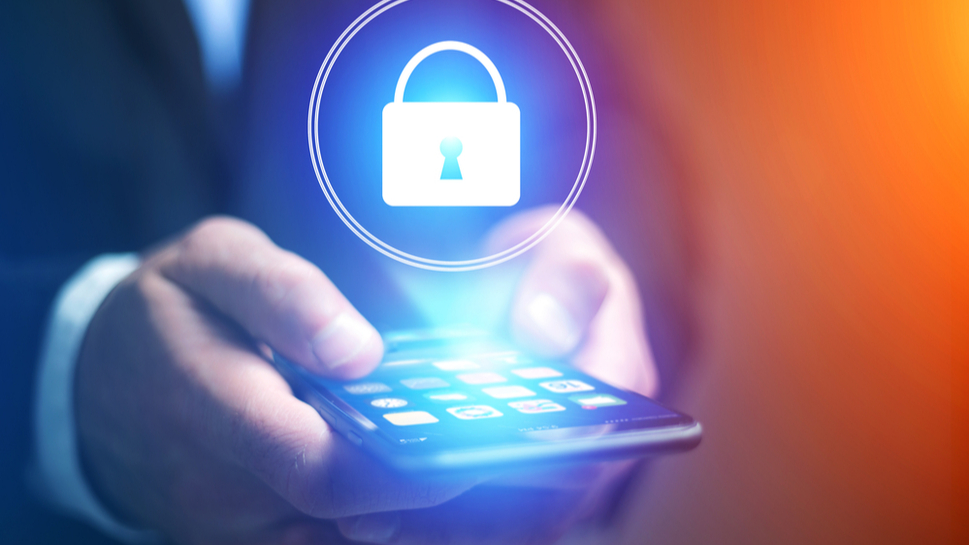
Titova urged users to strengthen their digital safety by enabling screen locks, keeping operating systems and applications updated, downloading apps only from trusted stores, activating multi-factor authentication and using reputable mobile security solutions where appropriate.
“As smartphones become central to our digital lives, protecting them is no longer optional. Good cyber hygiene and proactive security measures are essential to safeguarding personal data and digital identities,” she said.
The company also encouraged users to regularly review application permissions, avoid clicking suspicious links and back up important data to minimise the impact of cyberattacks or device loss.
The survey comes amid growing concerns over mobile cyber threats as smartphones increasingly serve as the primary platform for digital payments, online banking, remote work and access to government and business services, making mobile security a critical component of personal and organisational cybersecurity.
We’ve got the edge. Get real-time reports, breaking scoops, and exclusive angles delivered straight to your phone. Don’t settle for stale news. Join LEADERSHIP NEWS on WhatsApp for 24/7 updates →
Join Our WhatsApp Channel