We can’t bear the high cost of transportation alone – Farmers’ President
BY ACHOR ABIMAJE, Jos; Ibrahim Obansa, Lokoja; Richard Ndoma, Calabar; Okem Green Mbah, Yenagoa; Abdullahi Olesin, Ilorin; Alo Abiola, Ado-Ekiti; Emmanuel Mgbeahurike, Owerri; Nnamdi Mbawike, Enugu; Nonye Ekwenugo, Kaduna; Felix Igbekoyi, Asaba; Kamal Ibrahim, Bauchi
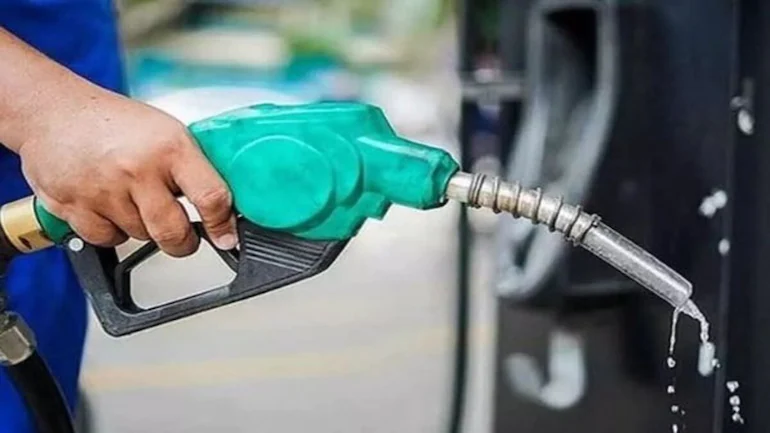
As the conflict in the Middle East intensifies, with exchanges between the United States/Israel, and Iran, its effects have reverberated across global fuel markets. Attacks on oil vessels in the Strait of Hormuz have disrupted transportation, pushing up fuel prices in many countries, including Nigeria.
Farmers across the country told correspondents that tougher days may lie ahead for food prices, as they are already grappling with the ripple effects of the crisis.
In Nigeria, petrol prices were approximately N774 per litre before the Iran conflict escalated. Following the start of the conflict, pump prices surged to over N1,000 and reached up to N1,300 per litre in some parts of the country.
Plateau Rice Farmers, Millers Decry Fuel Price Surge
The chairman of the Plateau State chapter of the All Farmers Association of Nigeria (AFAN), John Wuyep, has lamented the increase in the pump price of petrol, noting that it has severely affected farmers, particularly during the dry-season farming period.
Speaking in an interview in Jos, Wuyep decried the rising cost of transporting farm produce to markets, leaving consumers to bear the brunt. He explained that most farmers rely on water pumps that also require fuel for irrigation.
He called on the federal government to ensure the operation of local refineries to cushion the impact of international market fluctuations.
“We should also introduce solar into our irrigation system to save costs. This will certainly help our farmers,” he said.
Similarly, the national president of the Rice Millers Association of Nigeria (RIMAN), Mr. Peter Dama, said the spike in petrol prices has significantly affected production.
Dama, who represents local rice processors, stated this while speaking to LEADERSHIP Weekend.
According to him, RIMAN had earlier complained about high production costs. He added that any increase in petrol prices would inevitably affect their operations.
He noted that even electricity costs remain high due to band classifications.
“This is why most millers are turning to renewable energy because they cannot sustain production with the current electricity costs, not to mention diesel,” he said.
“Fuel now, particularly diesel, is above N2,000 per litre. If you run a generator for eight hours, you can imagine the cost.
“Sincerely, the removal of fuel subsidy did not go down well with members of the association,” he added.
Kwara Farmers Fear Hunger
The chairman of AFAN in Kwara State, Hon. Umar Mahmud Aboki, has warned of looming hunger if the Federal Government fails to review its food importation policies.
He also cautioned that rising fuel prices could further drive up food costs.
Speaking in Ilorin, Aboki criticised the massive importation of food items aimed at reducing local prices.
“The increase in fuel price will lead to higher transportation, production, and labour costs. Prices of herbicides, pesticides, and other inputs will also rise. This will ultimately increase food prices,” he said.
He added that farmers are currently operating at a loss.
“You cannot be importing food items that we can produce locally. We have been running at a loss since last year. A farmer who invests N1 million may sell for just N400,000.
“There will be massive hunger this year. The government should empower local farmers instead of importing food. While fertiliser prices have doubled, food prices have crashed. Farmers are discouraged,” he said.
On his part, a cooperative leader in Ilorin, Mr. AbdulRazaq Hamzat, said many smallholder farmers have abandoned farming due to losses recorded in recent years.
“Last year, we cultivated about 25 hectares, but this year we may not exceed five hectares. In our Cooperative Elite Youth Farmers, only three people are preparing to farm,” he said.
He warned that high transportation costs could trigger food shortages:
“In fact, we have about 20 bags of maize we cannot transport because the cost is higher than the value of the produce,” he lamented.
Hamzat added: “The price crash is not just about fuel; it is artificial due to excessive importation. The war in Iran may affect both fuel and agro-imports. If imports decline, food prices may rise due to limited local production.”
High Labour, Transport Costs Squeeze Kaduna Farmers
Farmers in Kaduna State have expressed concern over rising labour and transportation costs following the increase in petrol prices.
They noted that the combined pressure is shrinking profit margins and making it harder to move produce from rural areas to urban markets.
A farmer in Giwa Local Government Area, Malam Sani Musa, said transport costs have nearly doubled.
“Transporters increase charges almost weekly due to fuel. Sometimes, transport costs are almost equal to what we earn,” he said.
He added that labour costs have also surged.
“Even getting people to work on farms is more expensive now. Everything is going up,” he stated.
Farmers said they often resort to selling at lower farm-gate prices or risk spoilage of perishable goods.
The Kaduna State AFAN chairman, Alhaji Nuhu Aminu, emphasised the direct link between fuel and food prices.
“Once transport costs rise, food prices increase immediately,” he said.
“Farmers are struggling. Moving produce is becoming more expensive. If nothing is done, Nigerians should expect further increases in food prices.”
A maize farmer in Zaria, Aisha Bello, blamed poor road infrastructure.
“Vehicles break down or take longer routes due to bad roads. All these add to costs,” she said.
Farmers noted coping strategies such as reducing supply, sharing transport costs, and focusing on nearby markets. However, they warned that these measures could reduce food availability.
Stakeholders called for urgent government intervention through improved rural roads and supportive policies.
Kogi Farmers Lament Increased Production Costs
Agricultural stakeholders in Kogi State have also raised concerns about the impact of rising fuel prices on food production.
The coordinator of the Small-Scale Women Farmers Organisation of Nigeria (SWOFON) in the state, Hajia Rukayat Ahmed, said increased production and transportation costs are being passed on to consumers.
She noted that produce such as yams, cassava, rice, and vegetables is transported by road to markets in Lokoja, Abuja, and beyond.
“Any increase in fuel price leads to higher transport fares, which reflect in market prices,” she said.
Ahmed added that fuel is essential not only for transport but also for irrigation, processing, and power generation.
Another farmer, Isezuo Salihu, said fuel costs affect nearly every stage of farming, from input supply to labour and mechanisation.
He added that farmers are coping by increasing prices, reducing quantities, and focusing on local markets.
Cross River Farmers Decry Food Inflation
The immediate past President of AFAN, Pastor Nathaniel Ilem, attributed rising food prices to increased petroleum costs.
He explained that higher fuel prices have raised both transportation and production costs, including fertilisers, pesticides, and machinery.
He also linked the development to inflation, noting that reduced purchasing power is affecting demand.
“As petroleum prices rise, food prices increase, leading to reduced demand, especially for non-essential items,” he said.
He warned that the trend could result in food shortages if farmers scale down production.
On logistics challenges, Ilem lamented poor rural infrastructure:
“If there is anything worrisome, it is bad roads. In my community in Biase LGA, about 60 per cent of farm produce is damaged due to poor roads,” he said.
He urged all levels of government to intervene.
Similarly, a cassava farmer, Stanley Mpantor, decried rising transport costs.
“Before, I paid N3,000 to transport 100kg of cassava. Now it is N4,000 due to fuel price increases,” he said.
He described the situation as causing severe economic hardship and called on the government to address fuel pricing, noting that petroleum remains a key driver of the economy.
Fuel Price Hike Driving Up Food Costs in Bayelsa – Farmers’ Union Chairman
Farmers in Bayelsa State have raised concerns that the rising cost of fuel is directly pushing up the prices of farm produce, warning that the situation is worsening the burden on both producers and consumers.
The Bayelsa State Chairman of the All Farmers Association of Nigeria (AFAN), Mr. Isaac Ndiomu Awekumo, said the increase in fuel prices has significantly affected farming activities, especially transportation and labour costs.
According to him, higher fuel prices have made it more expensive to transport workers to farm locations, thereby increasing overall production costs.
He explained that rising transportation costs are forcing farmers to raise the prices of their produce to cover expenses.
Awekumo added that this situation is creating a ripple effect, as higher food prices are discouraging buyers and reducing patronage in markets.
He said, “The increase in fuel hikes our food production because if you are harvesting or going to get anything, the higher the transportation, it will now affect your work.
“Even the people we are using for jobs, by the time you pay them to your workplace, to your farm site, it will still be too expensive because that inflation touches every aspect of your farming community.
“Like now, your farm is in Ogbia, and you want to carry workers there from Yenagoa. The cost of transporting them is high.
“So, by the time you harvest your produce, you will also inflate your price. And that will drive customers away.”
He further noted that the situation is worse for farmers dealing in perishable goods, as transportation delays can lead to losses.
“And if that is perishable goods, the delay will ruin your business for that day or season. So, it really affects us so much.”
On how farmers are coping, the AFAN chairman said many have no option but to endure the hardship despite the financial strain.
He stressed that transporting both workers and produce has become a major challenge across the state.
“Yes, we have to bear the suffering. For you to use your vehicle, tricycle or motorcycle to convey workers, it is stressful. The financial pressure will tell on you,” he stated.
Awekumo, however, called for urgent intervention to address rising transport costs, warning that continued fuel price hikes could worsen food inflation and threaten food security.
Imo Farmers Lament Adverse Effects
The recent nationwide increase in fuel prices appears to be adversely affecting farmers in Imo State, as they struggle to transport produce from rural communities to markets.
This was disclosed by the Chairman of the AFAN Imo State chapter, Dr V. A. Enwerem, while speaking with LEADERSHIP Weekend.
According to him, the fuel price increase is having a negative impact on farmers, with costs reaching unprecedented levels.
Dr Enwerem stressed that transportation costs have skyrocketed, disrupting the agricultural supply chain and making it difficult for farmers to move produce.
He revealed that the increase in fuel prices has effectively doubled production costs, making irrigation, labour and transportation more expensive, and forcing farmers to raise prices.
He also noted reduced access to agricultural machinery and equipment due to high fuel costs.
Dr Enwerem explained that the situation is contributing significantly to rising food prices, making it increasingly difficult for consumers to afford basic necessities.
He added that some farmers now trek long distances to reduce transport costs, cut expenditure and explore alternative energy sources to sustain production.
Transport Costs Affecting Food Prices in Enugu
Farmers in Enugu have raised alarm that the ongoing increase in fuel prices is already impacting the cost of food items.
A farmers’ leader, Ibekwe Uzoegbu, said the prices of garri, yam, rice and other staples have begun to rise.
He explained that transporting produce from rural areas to urban markets has become significantly more expensive.
Recent reports indicate that petrol prices have risen sharply in 2026, reaching between N1,050 and N1,300 per litre in some parts of Enugu.
This marks a substantial increase compared to earlier in the year, and for farmers, fuel remains central to nearly every stage of food production.
Farm Produce Prices Rise in Delta
In Asaba and its environs, soaring petrol prices continue to drive up food costs and deepen economic hardship for residents.
A recent market survey shows that households and businesses are grappling with rising living costs due to sharp increases in fuel and food prices.
Findings across major filling stations indicate that petrol prices have surged significantly.
At Ezeani Oil and Gas in Amachai, petrol sells for ₦1,265 per litre, up from ₦750–₦800. NNPC stations dispense at ₦1,250, while Rainoil and Alphabakeez sell at ₦1,300 and ₦1,270 respectively. In some cases, prices have reached ₦1,400 per litre amid supply shortages.
Several stations were either shut or rationing fuel, leading to long queues.
A resident, Mr Success Osonye, said: “The increment in the price of fuel has caused a high increase in the prices of food commodities in the market.”
Transport fares have also surged, nearly doubling on some routes.
At Midwifery Market in Okpanam, food prices have risen sharply. A 50kg bag of rice now sells for ₦65,000–₦75,000, up from about ₦45,000. Beans exceed ₦60,000 per bag, garri sells for up to ₦40,000, while yam and palm oil prices have also increased significantly.
At Ogbogonogo Market, the situation is more severe for perishables, with tomatoes, pepper and onions recording steep price hikes.
Mr Ibrahim Musa, Farmers Coordinator in Oshimili South LGA, attributed the increase to transportation costs.
“The cost of bringing goods from the farm has gone up because of fuel,” he said.
Bauchi Farmers Struggle With Transport Costs
Farmers in Bauchi State have warned that rising fuel prices could trigger another surge in food prices as transportation becomes increasingly expensive.
A maize farmer in Ganjuwa LGA, Ibrahim Adamu, said transport costs have nearly doubled.
“If this continues, we will have no option but to increase the price of our produce,” he said.
Vegetable farmers in Toro noted that perishables are particularly affected due to delays and spoilage.
A tomato farmer, Yakubu Haruna, said: “Sometimes we wait to gather enough produce to justify transport costs, but by then, some tomatoes are already spoiling.”
Many farmers now depend on middlemen who purchase produce at lower prices, reducing farmers’ profits while consumers still pay higher prices.
In Bogoro, rice farmer Markus Daniel said diesel costs have affected processing and irrigation.
“It is not just transportation; everything is going up. From processing to packaging, we are spending more. Food prices will definitely increase,” he said.
Farmers are adopting coping strategies such as sharing transport costs and selling in nearby markets, though this limits earnings.
Fuel Price Hike Driving Food Costs in Ekiti
The chairman of AFAN in Ekiti State, Mr Alagbada Adeniran, has said the current increase in fuel prices will inevitably lead to higher food prices.
He noted that the hike adds to existing challenges, including low produce prices and high input costs.
Speaking in Ado-Ekiti, Adeniran said farmers are under intense pressure as transport fares have increased by about 50 per cent.
“It is affecting the prices of farm produce because transportation costs must be added to production costs. When combined, the final price will be higher,” he said.
He added that transporting produce from farms to markets has become increasingly difficult.
“We have no alternative. The only viable means of transportation is by road using motorcycles, tricycles or vehicles. We cannot carry tonnes of produce on our heads,” he said.
Adeniran called on the government to provide subsidies as a short-term solution.
“The only way to ease the situation is for the government to support farmers. Without this, we may not break even,” he stated.
We’ve got the edge. Get real-time reports, breaking scoops, and exclusive angles delivered straight to your phone. Don’t settle for stale news. Join LEADERSHIP NEWS on WhatsApp for 24/7 updates →
Join Our WhatsApp Channel