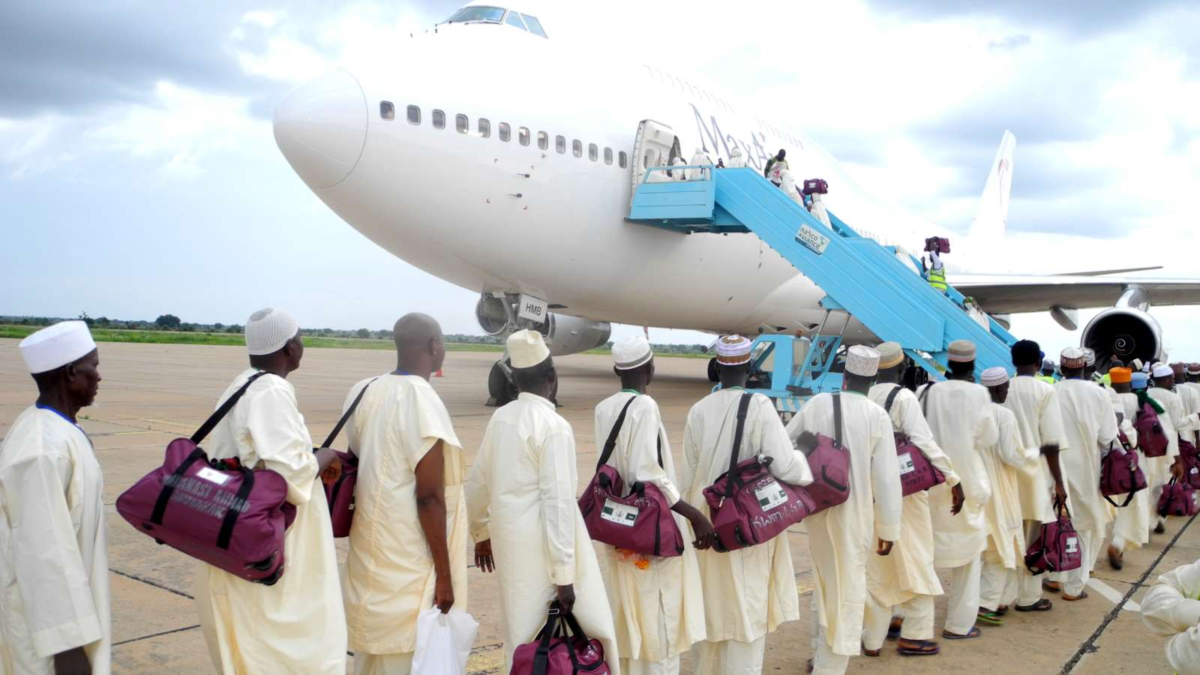
As thousands of Nigerian pilgrims begin their sacred journey to the Holy Land for Hajj 2026, the airlift from states such as Kano has once again brought to the fore critical questions about costs, logistics, welfare, and the role of government in supporting one of the most important religious obligations in Islam. For many pilgrims, this is the fulfilment of a lifelong dream, a spiritual climax that demands physical, emotional, and financial preparation. Yet behind the spiritual excitement lies a more earthly reality: the high cost of the exercise, logistical challenges, and recurring concerns about the welfare and safety of Nigerian pilgrims.
The scale of Nigeria’s Hajj participation is immense. Every year, tens of thousands of citizens, predominantly from the North, embark on this journey. Kano State, a traditional hub, has taken the lead in this year’s airlift, with other states following suit. For many families, the exercise represents enormous sacrifice. Pilgrims and their relatives often sell land, livestock, or exhaust life savings to meet the requirements. The current economic climate — marked by high inflation, fuel prices, and the cost-of-living crisis — has made the financial burden even heavier. Many pilgrims have expressed concern over rising package fees, while questions continue to arise about transparency in seat allocation and service quality.
Beyond cost, logistical and welfare issues remain persistent challenges. Delays in flights, inadequate medical support, and coordination gaps have characterised previous Hajj exercises. Reports from past years highlight cases of stranded pilgrims, substandard accommodation, and insufficient care for the elderly and those with health conditions. The Nigerian government, through the National Hajj Commission of Nigeria (NAHCON) and state pilgrim welfare boards, has made notable efforts in recent years, including better engagement with Saudi authorities, improved guide training, and attempts to streamline processes. However, many pilgrims and observers still argue that the system falls short of expectations, especially given the spiritual weight of the occasion.
Philosophically, the Hajj airlift raises deeper questions about governance and the social contract. For millions of Nigerian Muslims, performing Hajj is not merely a personal religious duty but the culmination of years of planning and sacrifice. While the state is not obligated to fund the pilgrimage, it has a moral and practical responsibility to facilitate it efficiently and humanely. When citizens who have fulfilled all requirements still encounter avoidable suffering — whether through inflated costs, poor logistics, or inadequate welfare — it strains the bond of trust between the governed and those in authority. In Northern Nigeria, where economic hardship, insecurity, and other challenges are already acute, the pilgrimage represents both hope and sacrifice. Government support here is not favouritism but a recognition of the spiritual and cultural significance of Hajj to a large segment of the population.
The broader implications extend beyond religion. A well-organised Hajj operation enhances Nigeria’s international image and strengthens diplomatic ties with Saudi Arabia. Conversely, recurring challenges damage national reputation and erode public confidence in governance. The current economic realities make it imperative for authorities to ensure value for money, transparency in fund management, and prioritisation of pilgrim welfare. States like Kano, which have shown leadership in the airlift, should serve as models. Greater public-private partnerships, stricter regulation of tour operators, and improved pre-departure orientation programmes could significantly enhance the experience.
This year’s Hajj must not be remembered for complaints but for lessons learned. The Federal Government, NAHCON, and state pilgrim boards should conduct thorough post-Hajj reviews and implement genuine reforms. Increased transparency in pricing, better medical and insurance packages, and stronger accountability mechanisms areessential. At the same time, pilgrims and their associations should continue to advocate for higher standards while exercising patience amid national economic constraints.
Nigerians have consistently demonstrated remarkable faith and resilience. The annual Hajj exercise reminds us of the power of collective aspiration and spiritual discipline. As thousands stand on the plains of Arafat this year, Nigeria must ensure that its pilgrims carry with them not only the pride of faith but also the assurance that their country stands firmly behind them. The sacred journey deserves nothing less than dignified support and efficient management.
The airlift of Hajj 2026 is more than a logistical exercise. It is a test of governance capacity, empathy, and commitment to the welfare of citizens. Nigeria must rise to this test with sincerity and excellence. Only then can the spiritual blessings of Hajj be matched by the satisfaction of a journey well supported from home.
We’ve got the edge. Get real-time reports, breaking scoops, and exclusive angles delivered straight to your phone. Don’t settle for stale news. Join LEADERSHIP NEWS on WhatsApp for 24/7 updates →
Join Our WhatsApp Channel