
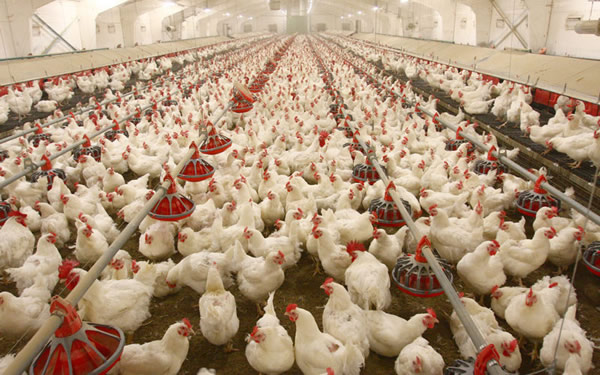
Every day, millions of Nigerians consume meat, fish, eggs, and milk believing they are nutritious and safe. But behind the scenes of the country’s livestock and fish farming industry lies a growing danger.
Across the country, farmers are increasingly administering antibiotics and other antimicrobials to their animals without prescriptions, proper diagnosis, or veterinary supervision. The unregulated use of these drugs is leaving harmful residues in the food chain and fueling antimicrobial resistance (AMR).
Expressing deep concern over the reckless use of antibiotics in animal husbandry, a director at the National Veterinary Research Institute (NVRI), Vom, Plateau State, Dr. Sati Ngulukun, said “Farmers just go to the market or chemist, buy antibiotics, and give them to their livestock, poultry, or fish without considering the dosage or withdrawal period.”
He said the withdrawal period, that is the time required for drugs to clear from an animal’s system before its products are safe for consumption, is a cornerstone of food safety. However, many farmers ignore it and Nigerians unknowingly ingest drug residues each time they eat contaminated animal products.
“When consumers eat these products, they ingest antibiotic residues, which may contribute to antimicrobial resistance. This means that when they later need antibiotics for infections, the drugs may not work effectively,” Dr. Ngulukun warned.
Although regulations exist, enforcement remains weak. Antibiotics that should only be sold strictly on prescription remain freely available over the counter, he said.
“Anyone can walk into a pharmacy or market and buy these drugs freely,” he lamented.
Nigeria’s veterinary capacity is also dangerously low, with just over 10,000 registered veterinarians expected to oversee millions of livestock across the country. Many rural communities have no veterinary presence at all, leaving farmers to rely on hearsay, trial-and-error, or informal vendors for drug administration.
Antimicrobials, antibiotics, antivirals, antifungals, and antiparasitics are essential for treating infections. But when microbes become resistant, diseases become harder and sometimes impossible to treat.
Globally, AMR is linked to 4.95 million deaths every year, including 1.27 million deaths directly caused by drug-resistant infections. If nothing changes, experts warn deaths could rise to 10 million annually by 2050.
Nigeria is already one of the worst-hit countries, ranking 19th out of 204 countries in AMR-related mortality. An estimated 263,400 deaths in Nigeria each year are linked to AMR, with 64,500 deaths directly attributed to resistant infections.
Beyond the human toll, the economic consequences are staggering. AMR could cost the global economy $100 trillion by 2050, and Nigeria is projected to suffer a 3.8 per cent decline in GDP and a similar drop in livestock numbers.
The severity of the issue was further highlighted in a recent study published in the International Journal of Poultry Science, which revealed the presence of antimicrobial residues in eggs sold across Nigeria.
Researchers surveyed 30 commercial layer farms and tested 900 eggs, their findings were alarming: 33.3 per cent of farms failed to follow proper drug administration guidelines, 3.6 per cent of eggs contained antimicrobial residues, 0.1 per cent tested positive for tetracycline.
The study linked antibiotic residues to allergic reactions, gastrointestinal issues, poor fetal development, and antibiotic resistance. WHO-documented cases include severe penicillin-induced anaphylaxis from chicken and sulfonamide-linked skin reactions from eggs.
Despite widespread drug use, 96.5 per cent of farmers administer antibiotics, only 74.1 per cent are aware of residues in animal products. Even worse, nearly one-third (32%) admitted to ignoring withdrawal periods altogether.
Veterinary respondents overwhelmingly confirmed widespread misuse of veterinary drugs, with 90 per cent insisting that products from animals under treatment should be condemned to protect public health.
Another study published in the International Journal of Environmental Research and Public Health also found rising antimicrobial resistance in food animals and the environment, with high resistance levels recorded against β-lactams, quinolones, aminoglycosides, macrolides, tetracyclines. Tetracycline and streptomycin showed the highest levels of resistance.
The researchers called for urgent government action, including stricter regulations, better biosecurity, and improved AMR surveillance.
While antibiotics continue to be overused, researchers are exploring safer alternatives such as prebiotics and probiotics.
Animal health and AMR expert, Dr. Nafiu Lawal, from Usmanu Danfodiyo University, believes these natural solutions could reduce antibiotic dependence in farming.
“Prebiotics promote the growth of beneficial microbes rather than killing bacteria,” he explained. Probiotics, on the other hand, introduce non-harmful bacteria that compete with and suppress harmful pathogens.
Dr. Lawal shared promising findings from a PhD study exploring the use of bitter leaf as a prebiotic and growth promoter, noting that such herbal alternatives could boost animal health and productivity without contributing to AMR.
Yet awareness remains low, even though companies like Animal Care now produce prebiotics and probiotics for veterinary use.
Recognising the mounting threat, Nigeria has aligned its response with the WHO Global Action Plan on AMR, adopting a One Health Approach that integrates human, animal, and environmental health strategies.
The country has developed two National Action Plans, one of them, NAP 2.0 (2024–2028), launched in October 2024, focuses on strengthening surveillance, promoting responsible antibiotic use, and increasing investments in research and infection prevention.
NAFDAC has also taken steps by forming the AMR-One Health Team, comprising eight directorates, and establishing an Office of Research to support scientific studies.
We’ve got the edge. Get real-time reports, breaking scoops, and exclusive angles delivered straight to your phone. Don’t settle for stale news. Join LEADERSHIP NEWS on WhatsApp for 24/7 updates →
Join Our WhatsApp Channel