
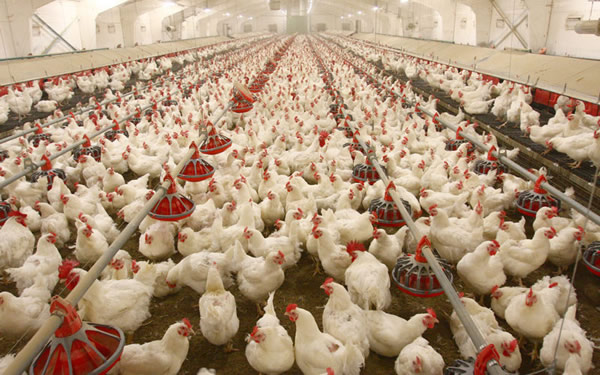
The growing misuse of antibiotics in Nigeria’s livestock and fish farming sectors has become a major public health concern, with experts warning that the uncontrolled practice is accelerating antimicrobial resistance (AMR) and exposing millions of consumers to dangerous drug residues in everyday foods such as meat, eggs, and milk.
Across poultry farms, fish ponds, and livestock pens, farmers routinely administer antibiotics without prescriptions, often guided by hearsay rather than professional advice.
These drugs, meant for treating infections, are now widely used for growth promotion and disease prevention without regard for proper dosage or withdrawal periods. As a result, residues from these drugs end up in the meat, eggs, and milk consumed by Nigerians every day.
A director at the National Veterinary Research Institute (NVRI), Dr. Sati Ngulukun, said “It is a dangerous trend. Farmers buy antibiotics from open markets and give them to their animals without considering dosage or withdrawal periods. When consumers eat those products, they ingest drug residues that can drive antimicrobial resistance.”
Though guidelines exist on the responsible use of antimicrobials, enforcement remains weak. Antibiotics, classified globally as prescription-only medicines, are still sold freely across markets in the country.
“Antibiotics should only be dispensed with a prescription. Unfortunately, anyone can purchase them like sweets,” Dr. Ngulukun lamented.
Nigeria’s shortage of veterinary professionals worsens the situation. With only 10,000 registered veterinarians serving a population of over 200 million people, most rural communities operate without veterinary oversight, leaving farmers to self-prescribe medications for their animals.
Antimicrobial resistance is already exacting a heavy toll globally and particularly in Nigeria. Worldwide, AMR is linked to 4.95 million deaths annually, with 1.27 million directly caused by drug-resistant infections.
Nigeria ranks 19th among 204 countries for AMR-related deaths. An estimated 263,400 Nigerians die each year from AMR-linked conditions, including 64,500 deaths directly caused by drug-resistant infections.
If the current trajectory continues, experts warn of severe economic consequences. Nigeria is projected to record a 3.8 per cent decline in GDP and a similar 3.8per cent reduction in livestock numbers by 2050, further threatening food security and livelihoods.
A recent study published in the International Journal of Poultry Science exposed troubling levels of antimicrobial residues in commercial eggs across the country. Researchers who tested 900 eggs from 30 farms found that 3.6 per cent contained drug residues, with 0.1 per cent testing positive for tetracycline.
The findings revealed that one-third of farmers do not follow recommended drug administration guidelines. Many admitted to ignoring withdrawal periods, even though 89 per cent were aware of the requirement.
These residues, experts warn, can cause allergic reactions, gastrointestinal disorders, poor fetal development, and increased resistance to antibiotics. Severe cases of anaphylaxis from penicillin residues in chicken have been documented by the World Health Organization.
A second study published in the International Journal of Environmental Research and Public Health found rising resistance to major antibiotic classes, including β-lactams, tetracyclines, quinolones, and macrolides among food animals and in the environment. Streptomycin and tetracycline recorded the highest resistance levels.
The researchers called for urgent government action, stricter regulation of veterinary drug sales, and standardised AMR surveillance systems.
However, Nigeria has developed two National Action Plans on AMR, the newest being NAP 2.0 (2024–2028), which focuses on improving surveillance, promoting responsible antibiotic use, enhancing infection prevention, and boosting research.
The National Agency for Food and Drug Administration and Control (NAFDAC) has also adopted a more coordinated structure. It recently formed the AMR-One Health (OH) Team, involving eight directorates working together to strengthen surveillance, regulate veterinary drugs, and support research.
As Nigeria battles to safeguard food safety and protect public health, the unchecked misuse of antibiotics in livestock and fish farming remains one of the most urgent and underreported threats.
We’ve got the edge. Get real-time reports, breaking scoops, and exclusive angles delivered straight to your phone. Don’t settle for stale news. Join LEADERSHIP NEWS on WhatsApp for 24/7 updates →
Join Our WhatsApp Channel