
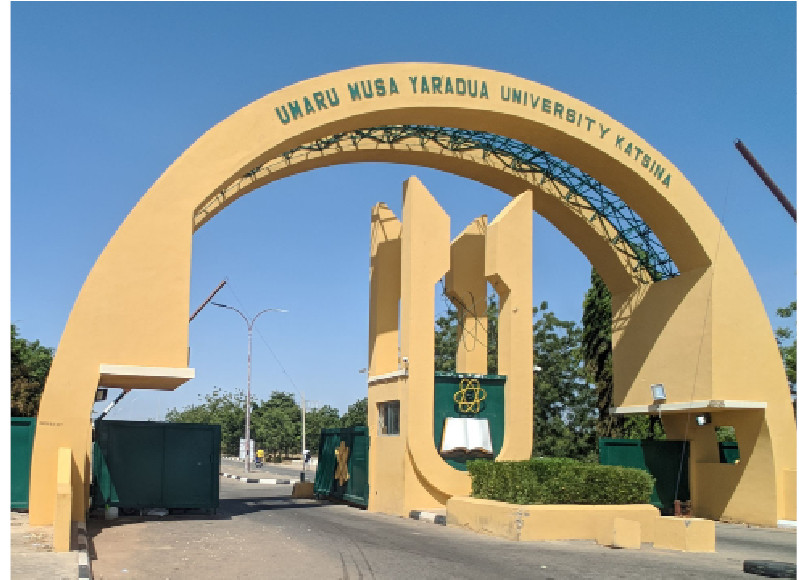
For many students in Nigeria’s public universities, the rising cost of living continues to pose serious challenges to academic pursuits. At Umaru Musa Yar’Adua University (UMYU), Katsina, one student’s story reflects both the impact of modest government support and the urgent need for improvement.
Abubakar Umar, a 300-level student of Business Administration, is among the beneficiaries of a government scholarship scheme. According to him, the N12,000 stipend he receives helps ease some of his financial burdens.
He explained that the amount, though modest, helps him cover transportation expenses and contributes toward his tuition fees, which stand at N47,000 per academic session. For a student managing limited resources, every naira counts.
“The N12,000 I receive helps me with transport and supports my school fees. Without it, things would be much more difficult,” he said.
However, Abubakar noted that the current amount is no longer sufficient given the steady rise in the cost of living nationwide. Like many students, he struggles to balance academic responsibilities with financial pressures.
He therefore appealed to the government to review the scholarship scheme upward, suggesting an increase to at least N50,000. According to him, such an adjustment would better reflect current economic realities and provide meaningful support to students.
“The cost of living has increased significantly. The scholarship should be increased to N50,000 so students can cope better,” he urged.
Beyond the amount, Abubakar also raised concerns about the timing of disbursement.
He pointed out that funds are often released late, sometimes toward the end of the academic session, limiting their effectiveness.
He called on authorities to ensure timely payment, stressing that early disbursement would allow students to plan better and meet urgent academic needs.
Despite the challenges, Abubakar expressed gratitude to the government for the initiative, acknowledging that the scholarship has made a positive difference in his academic journey.
His experience highlights a broader reality faced by many Nigerian students: even small financial interventions can make a difference, but timely and adequate support remains essential for sustaining access to education.
We’ve got the edge. Get real-time reports, breaking scoops, and exclusive angles delivered straight to your phone. Don’t settle for stale news. Join LEADERSHIP NEWS on WhatsApp for 24/7 updates →
Join Our WhatsApp Channel