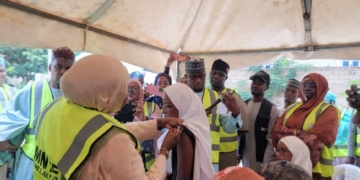
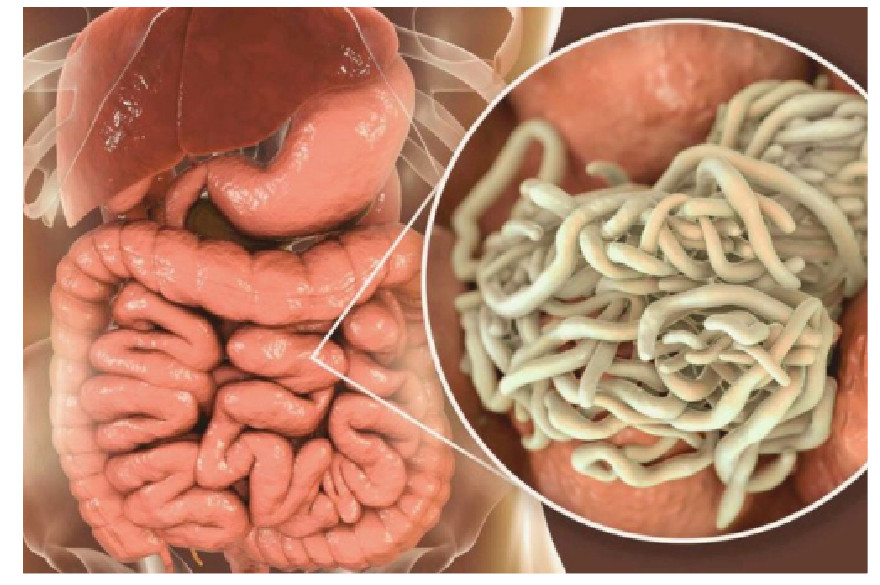
Intestinal worm infections remain one of Nigeria’s most widespread but neglected health challenges, affecting millions of children every year.
Schistosomiasis and Soil-Transmitted Helminthiasis (STH), caused by parasitic worms, not only deplete nutrients and cause anaemia but also impair cognitive development, and hinder overall child growth.
Schistosomiasis, classified among the Neglected Tropical Diseases (NTDs), can cause both acute and chronic infections, affecting the bladder, liver, and other organs. STH, on the other hand, is caused by intestinal nematode worms transmitted via the fecal-oral route or through skin penetration. Both diseases are prevalent in rural communities, often spread through contaminated food, water, and poor sanitation practices.
According to the World Health Organisation (WHO), these infections can have serious health consequences, including internal bleeding leading to anaemia, intestinal inflammation or obstruction, diarrhoea, and impaired nutrient absorption, all of which can negatively affect children’s growth, development, and overall wellbeing.
The global health body recommends preventive chemotherapy, also known as deworming, as an effective strategy to reduce the burden of these infections.
“Evidence shows that periodic administration of anthelminthic medicines to at-risk populations can dramatically lower infection rates and improve nutritional status,” WHO stated.
Under WHO guidelines, children in communities where at least 20 per cent of children are infected should receive deworming medicines: albendazole (400 mg) or mebendazole (500 mg).
Treatments are recommended annually or biannually, depending on the level of infection. Young children aged 12–23 months, preschool children (1–4 years), and school-age children (5–12 years) are priority groups, with a half-dose (200 mg) of albendazole advised for children under two years. In areas where prevalence exceeds 50 per cent, biannual treatment is recommended.
While deworming is a critical intervention, WHO emphasised that long-term solutions also require improvements in water, sanitation, and hygiene to prevent re-infection and sustain public health gains.
However, a 2020 study by a coalition of Civil Society Organisations (CSOs) revealed that over 50 per cent of children across six area councils in the Federal Capital Territory (FCT) were infected with schistosomiasis, with Gwagwalada and Kwali also endemic for soil-transmitted helminths. Open defecation and poor hygiene practices were identified as key drivers of these infections.
Speaking on the health implications, former Deputy Director and Programme Manager of the Schistosomiasis and STH Elimination Programme at the Federal Ministry of Health, Dr. Obiageli Nebe, said that infants and children are particularly vulnerable due to their underdeveloped immune systems.
“These parasites deplete nutrients in children and adversely affect their physical and cognitive development. Symptoms include abdominal pain, anaemia, bladder and liver complications, which impair growth, reduce school attendance, and negatively impact learning outcomes,” she explained.
However, she said deworming tablets improve health, appetite, and energy levels, reduce school absenteeism, and improve the learning ability of children.
The common deworming medicine is Albendazole, which is taken as 200mg at once for children and 400mg for adults.
Prevention, however, goes beyond medication. She stressed the importance of proper hygiene: wearing shoes, washing hands thoroughly with soap and water after using latrines and before meals, safely preparing and storing food, treating or filtering drinking water, and keeping households and schools free from open defecation.
Despite ongoing interventions, Dr. Nebe acknowledged that significant gaps remain. Low coverage of treatment programs, insufficient data, and under-treatment of high-burden communities continue to hamper efforts to eliminate these diseases.
She advocated for sustained therapeutic and geographic coverage, and for detailed disaggregation of Schistosomiasis mapping data into sub-districts (wards) to enable more precise planning and implementation.
As Nigeria works to improve child health outcomes, tackling intestinal worms requires both preventive measures and consistent deworming campaigns, alongside broader investments in sanitation and hygiene. Without sustained action, these silent parasites will continue to hinder the growth, education, and future potential of countless Nigerian children.
We’ve got the edge. Get real-time reports, breaking scoops, and exclusive angles delivered straight to your phone. Don’t settle for stale news. Join LEADERSHIP NEWS on WhatsApp for 24/7 updates →
Join Our WhatsApp Channel