
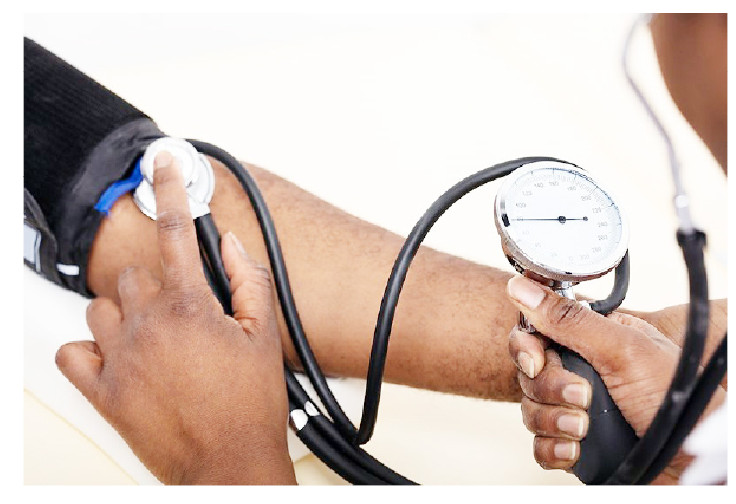
High blood pressure has silently integrated itself into the lives of millions of Nigerians, usually showing no early symptoms.
In many homes, the first time families realise a loved one is hypertensive is after a sudden collapse, a stroke, or a rushed trip to the emergency room.
This silent condition has become one of the country’s most persistent killers, yet it remains one of the least understood.
Across communities: urban and rural alike, blood pressure checks are still not a routine part of life. Many people rely on how they “feel,” believing that sickness must come with obvious symptoms. Others dismiss persistent headaches, fatigue, or dizziness as stress. These assumptions, combined with limited access to healthcare and strong cultural beliefs, mean that countless Nigerians live with dangerously high blood pressure without knowing it.
It is estimated that more than 27.5 million people in Nigeria are currently living with hypertension, with prevalence rates as high as 44 per cent in some groups. Yet knowledge and control of the condition remain worryingly low.
According to the President of the Nigerian Hypertension Society,, Prof. Simeon Isezuo, one in three adults in the country has high blood pressure, but most only find out after the heart, kidneys, or brain have already been damaged. Even among those who receive a diagnosis, many struggle to stay on medication due to cost, fear of lifelong treatment, or the misconception that they can stop taking drugs once they “feel better.”
He identified sedentary lifestyle and diet rich in salt, fats and sugar as the main factors, while advising on consumption of traditional African food derived from roots, stem and leaves, regular exercise and optimum weight for prevention of hypertension.
“Unhealthy foods should be taxed to discourage their consumption. Legislation should be enacted to enforce appropriate label of salt, fat and sugar contents on food packages,” he added.
The World Health Organisation (WHO) noted that while not every illness can be prevented, most cardiovascular-related deaths can be avoided with healthier daily habits. Simple adjustments, more physical activity, less salt, better diets, reduced alcohol intake, and avoiding tobacco, can drastically lower risk.
Cautioning Nigerians against unhealthy lifestyle, the Coordinating Minister of Health and Social Welfare, Prof. Ali Pate, urged Nigerians to take responsibility for their health: “Engage in at least 30 minutes of activity daily, eat more fruits and vegetables, avoid smoking and alcohol, and most importantly, check your blood pressure regularly.”
He also cautioned against self-medication and the dangerous practice of abandoning treatment once symptoms ease.
Highlighting Nigeria’s salt-heavy eating patterns, the Special Adviser to the President on Health, Dr. Salma Anas-Ibrahim, warned that many people consume far more sodium than the WHO’s safe limit of five grams per day.
According to her, a modest reduction in salt intake could significantly cut the number of people experiencing hypertension-related emergencies.
Whether in homes where meals are heavily seasoned, hospitals battling avoidable stroke cases, or government offices pushing for greater awareness, the warning is the same and increasingly urgent: hypertension is preventable and treatable, but only if Nigerians take early action.
We’ve got the edge. Get real-time reports, breaking scoops, and exclusive angles delivered straight to your phone. Don’t settle for stale news. Join LEADERSHIP NEWS on WhatsApp for 24/7 updates →
Join Our WhatsApp Channel