Hypertension remains one of the most common but least detected health conditions in Nigeria, often progressing quietly until it leads to serious complications such as stroke, heart failure, kidney disease, or sudden death.
It is described as a “silent killer” because many people live with the condition for years without knowing.
Medical practitioners said the most effective way to reduce the risk of complications is simple but often neglected regular monitoring of blood pressure.
According to the World Health Organisation (WHO), hypertension, also known as high blood pressure, is a serious medical condition in which the force of blood against the artery walls remains consistently too high.
WHO described hypertension as one of the leading global risk factors for premature death. It estimates that more than one billion people worldwide live with the condition, with a significant proportion remaining undiagnosed or untreated, particularly in low and middle-income countries.
The organisation warns that because hypertension often has no obvious symptoms, many people are unaware they have it until severe complications occur.
The global health body identifies several major risk factors for hypertension. These include unhealthy diets high in salt, lack of physical activity, harmful use of alcohol, tobacco consumption, obesity, and increasing age. Genetics and family history also play a role, but lifestyle factors remain the most significant drivers of rising cases globally.
WHO stressed that hypertension is both preventable and manageable. It recommends population-level strategies such as reducing salt intake, promoting healthy diets rich in fruits and vegetables, encouraging regular physical activity, avoiding tobacco, and limiting alcohol consumption. At the individual level, regular blood pressure screening is essential for early detection and treatment.
For those already diagnosed, WHO emphasises the importance of lifelong management through prescribed medication, routine monitoring, and lifestyle modification. Uncontrolled hypertension, it warns, can lead to complications that are often fatal but largely preventable with proper care.
The organisation also calls on governments to strengthen primary healthcare systems to ensure affordable access to blood pressure screening and treatment. Integrating hypertension services into routine healthcare, WHO notes, is key to reducing the global burden of cardiovascular diseases.
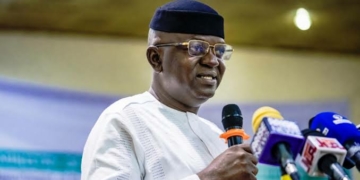
The Head of Cardiovascular Diseases and Tobacco Control at the Federal Ministry of Health and Social Welfare, Dr. Malau Toma said early detection is key to controlling hypertension. According to him, many Nigerians only discover they have high blood pressure when it has already caused significant damage.
“Hypertension is a sustained elevation of blood pressure and it is a silent condition that can lead to severe complications if not detected early,” he said.
He stressed that regular screening and adherence to prescribed medication remain essential in preventing complications.
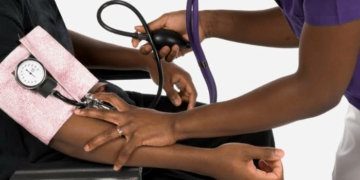
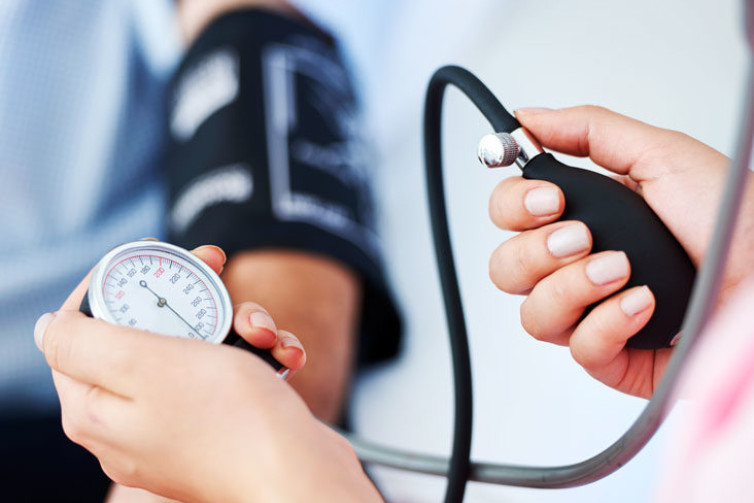
Experts said monitoring blood pressure helps identify the condition early and ensures timely treatment. It also allows patients already on medication to track their progress and avoid dangerous spikes that could lead to emergencies.
At the community level, the federal government said efforts are being strengthened to improve access to blood pressure checks through primary healthcare centres, noting that over 9,000 primary health facilities across the country are now equipped to provide basic hypertension screening and management.
Dr. Suleiman Lamorde of the National Primary Healthcare Development Agency said Nigerians are encouraged to make use of these facilities. He advised adults to begin checking their blood pressure from the age of 18, while those with risk factors such as family history or older age should do so more frequently.
“Even if you don’t have symptoms, you should check your blood pressure regularly. It is one of the simplest things to do, and it is free in most primary health centres,” he said.
Health experts also continue to emphasise the role of lifestyle in preventing hypertension. They advise Nigerians to reduce salt intake, eat more fruits and vegetables, engage in physical activity, avoid tobacco use, and limit consumption of fatty foods.
Development partners working in the health sector said more attention is needed for Non-Communicable Diseases like hypertension, including improved funding and stronger programmes similar to those for infectious diseases.
They also call for sustained public awareness to dispel myths and encourage more people to check their blood pressure regularly.
Hypertension is manageable but only when detected early and treated consistently. Monitoring blood pressure empowers individuals to take control of their health, prevents avoidable deaths, and protects families from sudden tragedy.
We’ve got the edge. Get real-time reports, breaking scoops, and exclusive angles delivered straight to your phone. Don’t settle for stale news. Join LEADERSHIP NEWS on WhatsApp for 24/7 updates →
Join Our WhatsApp Channel