
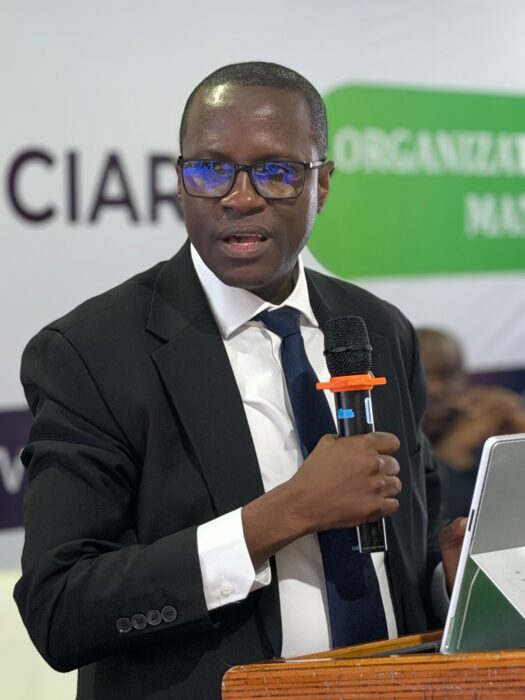
The Independent Corrupt Practices and Other Related Offences Commission (ICPC) has urged heads of tertiary institutions across Nigeria to strengthen internal controls, enforce transparency and tackle corruption risks to ensure that interventions by the Tertiary Education Trust Fund (TETFund) deliver value for money.
The ICPC chairman, Dr Musa Adamu Aliyu, said increased funding alone could not guarantee improvements in the education sector without effective accountability, proper project supervision and prudent management of public resources.
Aliyu made the call in Abuja on Monday while declaring open a two-day Organisational Integrity Management Capacity-Building Programme for officials of TETFund beneficiary institutions.
The programme was organised by the Anti-Corruption Academy of Nigeria (ACAN), the training and research arm of ICPC, with support from TETFund.
The ICPC chairman identified weak procurement practices, inadequate project supervision, ineffective internal controls, conflicts of interest and financial mismanagement as major corruption risks capable of undermining investments in tertiary education.
He stressed that institutions benefiting from public funds must demonstrate transparency and accountability in managing the resources.
“Integrity must not exist merely in policy documents or institutional mission statements. It must be reflected in everyday decisions, administrative processes, and the management of public resources,” he said.
Aliyu urged heads of institutions to lead by example through ethical conduct, strict enforcement of established procedures and the provision of safe channels for reporting misconduct without fear of victimisation.
He also called for regular corruption risk assessments, improved documentation, separation of duties, independent verification of projects and stronger reporting mechanisms.
According to him, participating institutions should develop specific integrity measures, assign responsibilities to designated officers, set implementation timelines and introduce measurable indicators to monitor compliance.
“The success of this initiative should be measured not merely by attendance or participation, but by the improvements introduced in your respective institutions,” he added.
Aliyu reaffirmed ICPC’s commitment to preventing corruption in public institutions through System Study and Review, Corruption Risk Assessment, the Ethics and Integrity Compliance Scorecard and capacity-building initiatives implemented through ACAN.
Earlier, ACAN Provost, Professor Sheriff Ghali Ibrahim, said promoting integrity in tertiary institutions required the involvement of management, academic and non-academic staff, as well as students.
He identified honesty, accountability and fairness as critical values for building public confidence and sustaining ethical standards in the education sector.
Ibrahim urged tertiary institutions to collaborate with ICPC to address administrative corruption, embezzlement, examination misconduct, monetisation of marks, sexual harassment and the use of ghost workers.
He commended TETFund for supporting the initiative, noting that strengthening institutional integrity was necessary to improve governance and protect investments in education.
Also speaking, TETFund Executive Secretary, Arc. Sonny Echono, represented by the Director of Human Resources and General Administration, Dr Kolapo Okunlola, said funding without accountable leadership and effective implementation would not produce the desired results.
Echono urged heads of institutions to comply with procurement laws, financial regulations and TETFund guidelines, while taking responsibility for the quality and outcomes of projects executed with intervention funds.
He also called on institutional authorities to protect whistleblowers and identify vulnerabilities in their administrative and financial systems.
The TETFund executive secretary reaffirmed the fund’s commitment to transparency and accountability, stressing that the success of its interventions should be measured not only by the amount of money released but also by improvements in educational infrastructure, research and learning outcomes.
He urged participants to translate lessons from the programme into practical reforms that would strengthen accountability and ensure public investments in tertiary education achieve their intended objectives.
We’ve got the edge. Get real-time reports, breaking scoops, and exclusive angles delivered straight to your phone. Don’t settle for stale news. Join LEADERSHIP NEWS on WhatsApp for 24/7 updates →
Join Our WhatsApp Channel