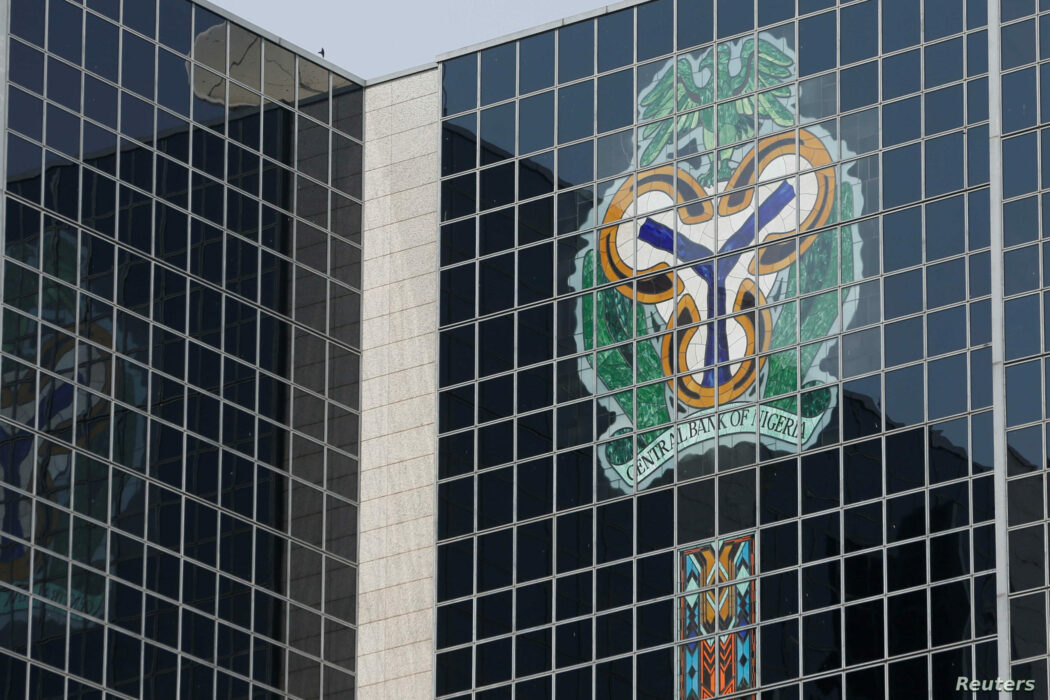
The International Monetary Fund (IMF) has thrown its weight behind the Central Bank of Nigeria’s tight monetary policy stance and ongoing banking sector reforms, describing recent measures introduced by the apex bank as critical to preserving macroeconomic stability and strengthening confidence in the Nigerian economy.
In its 2026 Article IV Consultation Report on Nigeria released on Tuesday, the IMF commended the Central Bank of Nigeria (CBN) for sustaining difficult but necessary reforms that have helped stabilise the foreign exchange market, curb inflationary pressures and rebuild external reserves despite persistent global uncertainties.
The Fund specifically endorsed the apex bank’s data-driven monetary tightening measures under Governor Olayemi Cardoso, insisting that monetary policy must remain tight until inflation is firmly anchored.
“Directors commended the authorities’ success in bringing down inflation,” the IMF stated, while noting that renewed global fuel and food price shocks were exerting fresh inflationary pressure on the economy.
According to the report, inflation had remained on a downward trend for more than one year before external shocks linked to the Middle East crisis pushed headline inflation slightly higher to 15.4 per cent in March 2026.
The IMF said the CBN’s positive real monetary policy rate and disciplined liquidity management had strengthened investor confidence and improved monetary credibility.
The Fund also praised progress made by the apex bank toward adopting an inflation-targeting framework, describing it as a major institutional reform capable of improving policy communication and market confidence.
“Directors welcomed progress toward adopting inflation targeting and encouraged steps to strengthen monetary transmission and communication,” the report stated.
The IMF further acknowledged that reforms in the foreign exchange market have significantly improved Nigeria’s external position.
It disclosed that gross international reserves increased to $46 billion in 2025 from $40 billion at the end of 2024, supported by stronger current account performance, improved foreign inflows and renewed investor confidence.
Net international reserves also rose sharply from $23 billion at the end of 2024 to $35 billion by the close of 2025.
The report added that the naira appreciated by 10 per cent year-on-year against the United States dollar in March 2026 following improved market conditions and increased foreign exchange inflows.
The IMF also applauded the apex bank’s commitment to a flexible exchange rate regime, saying the policy had improved market functioning and boosted diaspora remittances through official channels.
On the banking sector, the IMF described the ongoing recapitalisation exercise as a major boost for financial system stability and long-term economic growth.
According to the report, Nigerian banks raised about $3.4 billion in fresh equity capital during the recapitalisation process, with 33 out of 37 banks meeting the revised capital requirements by the March 2026 deadline.
The Fund noted that the exercise had strengthened resilience within the banking sector and positioned financial institutions to better support private sector growth and economic expansion.
It, however, warned that vulnerabilities still persist within the financial system, especially rising non-performing loans and exposure to government securities.
The IMF disclosed that non-performing loans rose to eight per cent in the third quarter of 2025, above prudential thresholds, partly due to the withdrawal of COVID-19 regulatory forbearance.
Despite the risks, the Fund maintained that systemic pressures in the banking sector had reduced significantly compared to the stress levels recorded between 2023 and 2024.
The report also welcomed the CBN’s ongoing efforts to align Nigeria’s banking system with Basel III standards through enhanced stress testing, liquidity reforms and stronger capital buffers.
The IMF urged authorities to accelerate implementation of key reforms such as the countercyclical capital buffer and liquidity coverage ratio to further strengthen financial sector resilience.
It further praised Nigeria’s removal from the Financial Action Task Force (FATF) grey list in October 2025, describing the development as a major signal of improved financial integrity and stronger regulatory oversight.
The Fund stressed that sustaining monetary discipline, financial sector reforms and exchange rate stability would remain critical to preserving investor confidence and achieving long-term inclusive growth.
Nigeria’s economy is projected to grow by 4.1 per cent in 2026, driven by services, agriculture and improved oil sector performance, according to the IMF report.
We’ve got the edge. Get real-time reports, breaking scoops, and exclusive angles delivered straight to your phone. Don’t settle for stale news. Join LEADERSHIP NEWS on WhatsApp for 24/7 updates →
Join Our WhatsApp Channel