The federal government’s failure to implement the promised reform of the nation’s health sector has created a financing gap that affects all aspects of the healthcare system, including infrastructure, workforce, medical supplies, and services, leading to inadequate healthcare delivery across the country.
Both the immediate past and current administrations committed to affordable healthcare delivery to the public, a promise that has remained unfulfilled.
LEADERSHIP reports that the federal government had listed health sector reform as one of the “ongoing transactions” on the Bureau of Public Enterprises (BPE) priority list for immediate intervention. Years after, nothing or very little has been done.
On the BPE website, the government said its objectives were to ease access to world-class services, “improve the value of health solutions, advanced technology, and reduce out-of-pocket expenses.”
Nigeria’s health system is a mix of public and private healthcare providers, but it remains significantly under-resourced and underdeveloped. Public healthcare facilities often suffer from inadequate infrastructure, insufficient medical supplies, and a shortage of healthcare professionals. Observers say those deficiencies have led to substandard care and long patient waiting times.
Rural areas are particularly disadvantaged, with limited access to healthcare services compared to urban centres. The private healthcare sector, while better equipped, is often too expensive for the average Nigerian, further exacerbating inequalities in healthcare access.
According to the BPE, the expected outcome was “to harness more than $1 billion (N1.4 trillion) lost annually to medical tourism, encouraging tens of thousands of Nigerians who travel abroad in search of the best treatment to have treatment in the country.”
Nigeria’s health sector faces a substantial financing gap, estimated to be in the billions of dollars annually. The World Health Organisation (WHO) recommends that countries allocate at least 15 percent of their annual budgets to health, but Nigeria’s allocation consistently falls short of this target. In recent years, Nigeria has only allocated about 4-5 percent of its annual budget to health, leaving a significant shortfall in necessary funding.
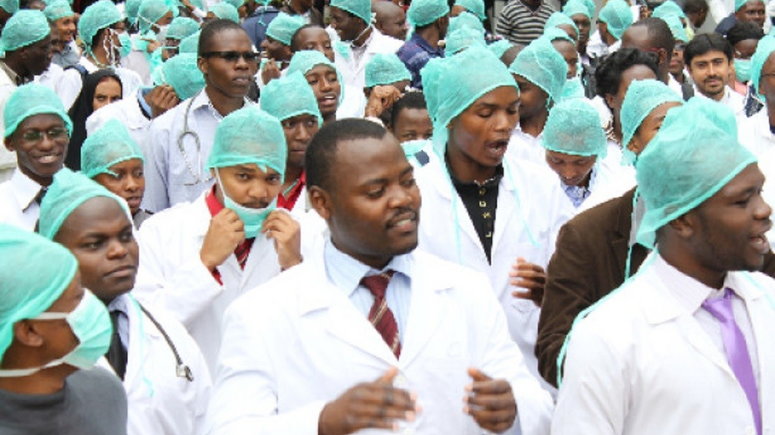
The state of Nigeria’s healthcare infrastructure is dire, with many hospitals and clinics lacking basic amenities and modern medical equipment. In many public hospitals, essential services such as electricity and water supply are unreliable, hampering quality care delivery. Furthermore, the shortage of healthcare workers, including doctors, nurses, and specialists, many of whom move abroad for greener pastures, compounds the problem, as existing staff are overworked and underpaid. This situation leads to a high rate of medical errors, preventable deaths, and a general lack of trust in the public healthcare system.
Nigeria’s health outcomes are among the poorest globally, with high maternal and infant mortality rates, low life expectancy, and a high burden of infectious diseases such as malaria, tuberculosis, and HIV/AIDS. Non-communicable diseases, such as diabetes and hypertension, are also on the rise, adding to the healthcare system’s challenges.
“The underfunding of the health sector significantly impacts the country’s ability to address these health issues effectively, resulting in poor health indicators and outcomes,” said a medical doctor who asked not to be named because he’s employed by the federal government.
Due to the inadequacies of the local healthcare system, many Nigerians seek medical treatment abroad, leading to substantial expenditure on medical tourism. It is estimated that Nigerians spend approximately $1.2 billion annually on medical tourism, by Nigerians seeking better healthcare services in countries such as India, the United States, and the United Kingdom.
The trend highlights the lack of confidence in the Nigerian healthcare system and drains significant financial resources that could otherwise be invested in improving local healthcare infrastructure and services.
Medical practitioners say addressing the financing gap and improving the state of Nigeria’s health system require comprehensive reforms and significant investment.
“The government needs to increase its budgetary allocation to health, ensuring that funds are used efficiently and transparently. Additionally, public-private partnerships could play a crucial role in bridging the infrastructure gap and improving healthcare delivery.
“Strengthening the healthcare workforce through better training, remuneration, and working conditions is also essential. Ultimately, addressing these challenges will require a coordinated effort from all stakeholders, including government, private sector, and international partners, to ensure that all Nigerians have access to quality healthcare,” said an Abuja-based doctor, Idris Hameed.
We’ve got the edge. Get real-time reports, breaking scoops, and exclusive angles delivered straight to your phone. Don’t settle for stale news. Join LEADERSHIP NEWS on WhatsApp for 24/7 updates →
Join Our WhatsApp Channel