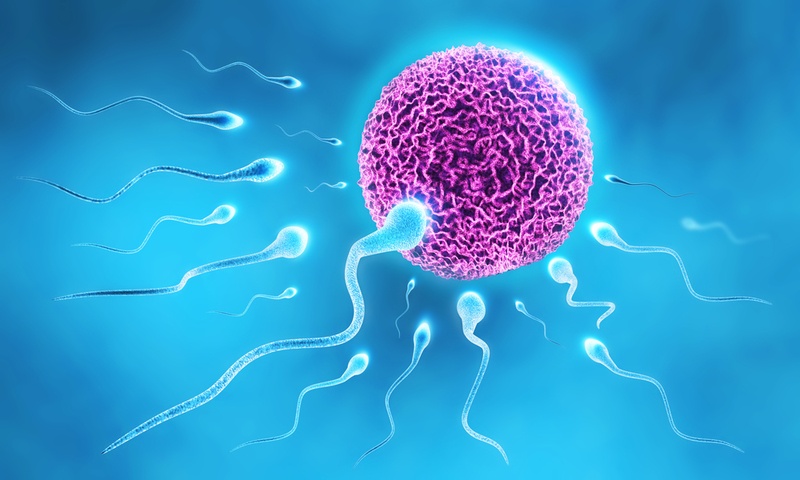
Ailoje, who is the CEO, Lifelink Fertility Clinic, said that the fact that a man has ejaculated semen does not mean that he has sperm cells that can produce a baby.
She said, “Sperm usually swims in the seminal fluid and sperm is produced by the testis, while some order glands like the prostate, seminal vesicles and bulbourethra gland produces the semen fluid. Abnormality in function of testis may inhibit sperm production but not stop semen fluid production which is usually initiated during sex.”
She however informed that the quality of a man’s sperm decreases with age as the volume of the semen and sperm motility decrease continually between the age of 20 and 80.
“As men age, they are more predisposed to conditions that may reduce their fertility such as Benign Prostate Hyperplasia, loss of libido, erectile dysfunction, poor sperm quality and motility, poor sperm quantity or no sperm, high percentage of abnormal sperm, medical conditions such as Obesity, Diabetes and Hypertension,” she added.
“As a man ages, it takes longer for his partner to get pregnant. There is also an increased risk of not conceiving at all. Whatever the age of the mother, the risk of miscarriage is higher if the father is over 45.
“The children of older fathers are at greater risk of autism, mental health problems and learning difficulties. For couple going for IVF, the risk of not having a baby is more than five times higher if the male partner is aged 45 years or older,” she added.
Identifying some other factors responsible for this problem, Ailoje said, “A man is sitting in his truck, traveling from Lagos to Kano, with his tight underwear, not having enough sleep, high blood pressure sets in and he is taking medication for it, he is not eating proper, loss of libido, all these can lead to infertility in men.”
She also highlighted some medical conditions responsible for infertility in men as varicocele, chromosomal defects, hormonal disorder, trauma/injury, diabetes, previous infections, previous surgeries and medication abuse.
On environment, she said “environmental causes of infertility include exposure to industrial chemicals like benzene, pesticides, herbicides, organic solvent, painting materials, heavy metals exposure, radiation or x-rays, overheating the testicles like in long distant driving, wearing of tight clothing and under wears and walking on laptops for long period of time.
Other factors, she said, include illicit drug use, alcohol intake, tobacco smoking, overweight/obesity, emotional stress and certain occupations like welding. She however said that lifestyle modification on the above factors as a way out.
Also, a Consultant Obstetrician/ Gynaecologist and Chief Executive Officer (CEO) Nordica Fertility Centre, Dr. Abayomi Ajayi, said even though there is no national statistics, 12 per cent of men who visit fertility clinic in Nigeria do not have sperm, adding that male factor is the commonest reason for IVF.
He said, “in Nigeria, from the studies that we have done, we saw that 12per cent of the men who come to the clinic do not have sperm at all. We have seen also that the commonest reason why people come to do IVF now is due to the male factor.”
Describing the 12per cent as an alarming proportion, the fertility expert however informed that there was an advanced technology which helps in identify normal and abnormal sperm as well as choosing the sperm (Morphologically Selected Sperm).
He also said that it is much easier to solve the problem of the man than that of the woman, saying that for a woman, if the quality of the egg is bad, there is nothing that can be done about it.
“Male infertility can be due to impaired production or function of sperm cells as seen with abnormal shape or movement of sperm, low sperm count/concentration, varicocele, undescended testicle, testosterone deficiency (male hypogonadism), genetic defects, infection of the reproductive tract eg clamydia, mumps and gonorrhea.
“Impaired delivery of sperm cells as seen in erectile dysfunction, retrograde ejaculation, blockage of the epididymis or ejaculatory duct, hypospadia, anti-sperm antibody and cystic fibrosis,” he stated.
On the percentage of the successes recorded so far, he said that it was difficult to state as the egg of the women most times determine the final result.
“It depends on the wife because the egg is very important. When a woman is 40 years old, the quality of the egg is not very, is like putting two things that are not very good together. But if the wife was about 25 years and everything was good, the case could have been different. That is why it is difficult to put a percentage to that problem,” he explained.
Management of male infertility, according to Ajayi usually begins with evaluation of the couple and this involves history taking, examination and baseline investigations.
“For the man, background family history, medical or surgical history including that of testicular descent and development of male secondary sexual characteristics are important to note. Examinations involve inspection of testes and phallus, testicular scan, Seminal Fluid Analysis and sperm DNA Integrity testing where indicated”, he explained.
On treatment, the expert informed that male infertility is treated with sperm boosters and/or surgery where indicated. He however said that “this do not always lead to fulfilling the hope of becoming a father, with lack of beneficial outcome after these treatments, the condition seems hopeless”.
He urged against stopping cigarettes and marijuana, stress relief therapy, prompt and adequate treatment of infections, avoidance of anabolic steroids and avoiding the use of sperm toxic lubricants.