
The GROW Project – Construction Waste Remediation and Recycling Vocational Training in Sub-Saharan Africa – has been officially launched to address construction waste challenges and promote green job creation in Nigeria and Mozambique.
The initiative is co-funded by the European Commission under the European Commission’s Erasmus+ Capacity Building in Vocational Education and Training in Sub-Saharan Africa programme.
In a statement signed by the project’s European partner, Mínimos Quadrados, and its African partner, the Lagos Waste Management Authority (LAWMA), the partners said the project is designed to strengthen vocational education systems by equipping young people, construction workers and educators with green, digital and entrepreneurial skills in sustainable construction waste management and recycling.
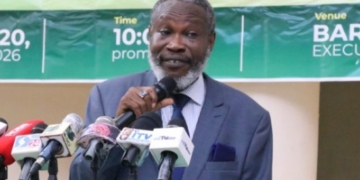
Speaking at the launch, Apodissi General Manager, Margherita Trestini, said the project would help modernise training systems and introduce innovative approaches to construction and demolition waste recycling, as well as sustainable building practices.
She said the organisation would focus on promoting entrepreneurship, inclusion and employment opportunities, particularly for young people and women, while strengthening collaboration between education providers and industry players in Nigeria and Mozambique.
Trestini added that APODISSI, which has its operational headquarters in Lagos, possesses extensive knowledge of the construction and demolition waste ecosystem in Lagos and Windhoek. She noted that the project would enable the organisation to expand its engagement in Mozambique, deepen its understanding of the local market, and build networks within the sector to support long-term innovation and skills development.
Globally, the construction sector accounts for up to 30 per cent of total solid waste. In many Sub-Saharan African countries, most construction and demolition waste is disposed of at dumpsites despite its potential for reuse and recycling.
The GROW Project aims to bridge this gap by integrating circular economy principles into vocational training programmes and aligning skills development with labour market demands in participating countries.
We’ve got the edge. Get real-time reports, breaking scoops, and exclusive angles delivered straight to your phone. Don’t settle for stale news. Join LEADERSHIP NEWS on WhatsApp for 24/7 updates →
Join Our WhatsApp Channel