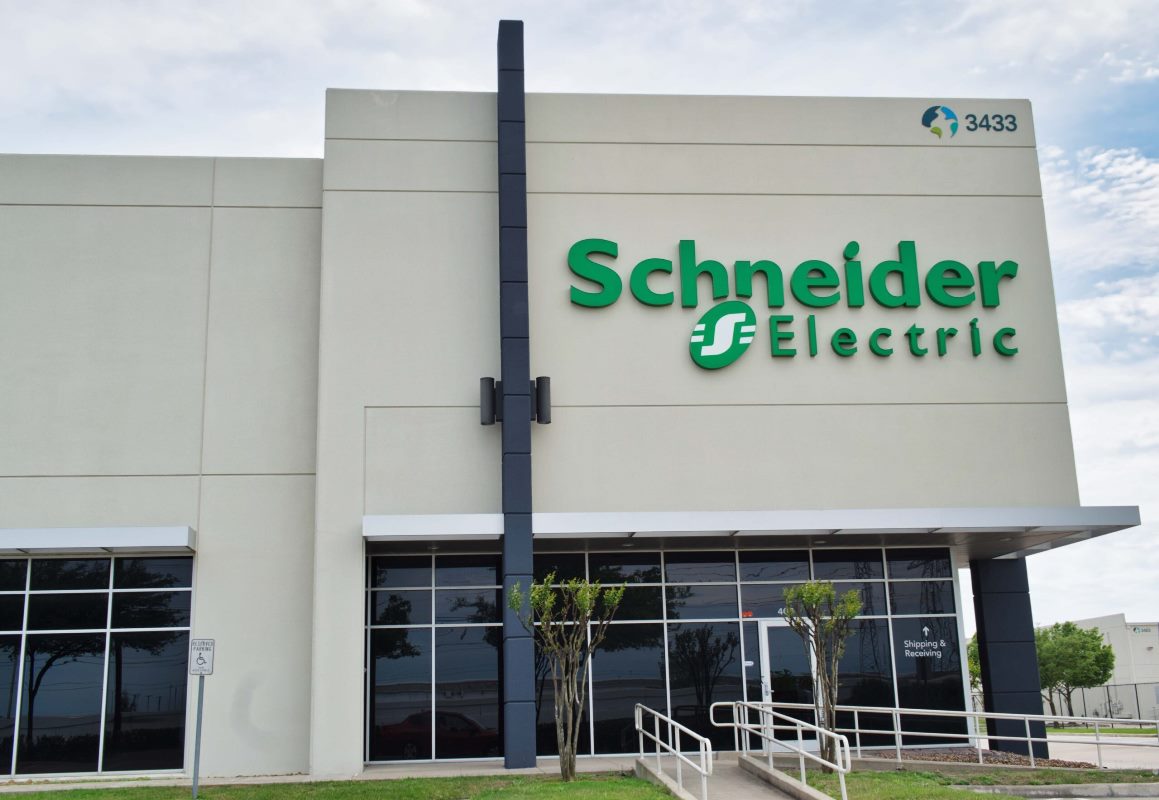
The country president of Schneider Electric in West Africa, Ajibola Akindele, has said that the integrity of electrical infrastructure across West Africa must become a non-negotiable requirement to ensure the safety, reliability, and long-term performance of power systems.
Akindele stated that the region is witnessing significant growth, ranging from commercial skyscrapers in Lagos to industrial factories in Tema and rural electrification projects in Burkina Faso, stressing that this expansion makes it imperative to prioritise the quality and reliability of electrical components.
According to him, standardisation remains central to building reliable electrical systems, noting that the use of products that meet certified safety, performance and environmental standards ensures systems are interoperable, safe and resilient in both new installations and retrofits.
However, he expressed concern over the widespread circulation of lower-quality or unverified electrical products across several markets in the region. He noted that although such products sometimes resemble reputable brands, many lack the engineering design, rigorous testing and compliance certifications required to ensure safety under conditions such as heavy electrical loads, high temperatures, moisture and power surges.
Citing data from the Nigerian Electricity Regulatory Commission (NERC), Akindele said that between 2021 and 2024, 757 electricity-related accidents were recorded in Nigeria, resulting in 451 deaths and 351 injuries. He added that many of the incidents were linked to wire snaps, unauthorised connections, vandalism and other unsafe practices.
He also noted that fire outbreaks remain frequent in Lagos markets, with about 1,000 fire and emergency incidents recorded in the first half of 2025, resulting in 62 deaths. In addition, Nigeria loses an estimated $26 billion annually due to unreliable electricity supply, excluding the cost of off-grid fuel.
Akindele explained that modern electrical projects involve several stakeholders, including consultants, contractors, panel builders, installers and regulators, each playing a critical role in ensuring system safety and reliability.
He warned that when any link in this value chain fails, the consequences could be severe.
“Some panel builders or contractors may unknowingly buy lower-quality components because they are cheaper or easier to source. In some cases, genuine and lower-quality parts are combined, which is dangerous as it increases the likelihood of electrical failure, fires and costly maintenance, while also undermining trust in the system,” he said.
Akindele noted that original equipment manufacturers (OEMs) such as Schneider Electric are investing not only in product quality but also in partner education, regulatory engagement and awareness campaigns to ensure stakeholders across the value chain understand the risks associated with substandard components.
He advised contractors, consultants and system integrators to ensure product quality, safety and reliability by partnering directly with OEMs or their certified distributors and panel builders.
According to him, Schneider Electric has made the verification process transparent by listing approved vendors on its official website and deploying signage and verification systems to help customers identify trusted suppliers.
Akindele added that ensuring quality electrical installations across West Africa goes beyond regulatory compliance and requires strong collaboration among stakeholders.
He stressed that by partnering with OEMs and their authorised distribution channels, the region can address reliability challenges while protecting lives, safeguarding assets and building more resilient and sustainable energy systems.
We’ve got the edge. Get real-time reports, breaking scoops, and exclusive angles delivered straight to your phone. Don’t settle for stale news. Join LEADERSHIP NEWS on WhatsApp for 24/7 updates →
Join Our WhatsApp Channel