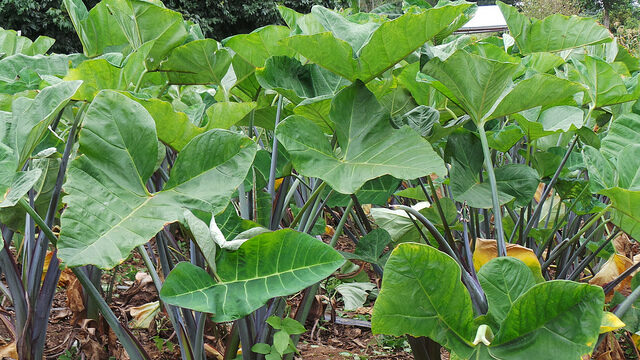
Cocoyam, nutrient-rich tuber crop, has long been a staple food and a valuable source of income for farmers and agro-entrepreneurs.
With increasing demand for cocoyam-based products in local and international markets, investing in cocoyam farming and processing offers great potential for profitability and growth, says an online firm dedicated to business feasibility, Feasibility Reports In Nigeria .
It is believed to be a money-making venture for any investor interested in this business. Experts said, it has good returns on investment and urged more people to go into this business.
Cocoyam, also known as taro or eddoe in some regions, is a starchy tuber crop cultivated primarily for its corms and leaves. The crop is well-suited to Nigeria’s tropical climate, thriving in areas with consistent rainfall and fertile soils.
Rich in carbohydrates, vitamins, and minerals, cocoyam serves as an excellent dietary source for millions of people. Its versatile applications range from fresh consumption to processed products such as flour, chips, and starch.
The demand for cocoyam is on the rise, driven by population growth, urbanization, and increasing awareness of its nutritional benefits. According to market research, the global demand for cocoyam and its processed products is expanding, offering opportunities for Nigerian producers to cater to both domestic and international markets.
Cocoyam flour, for instance, is gaining traction as a gluten-free alternative to wheat flour, appealing to health-conscious consumers worldwide.
Benefits
Cocoyam and its derivatives are in demand locally and internationally..
It is also drought-tolerant and adaptable to various soil types, making it suitable for diverse agricultural regions in Nigeria.
Cocoyam farming requires minimal inputs compared to other crops, reducing overhead costs, even as Processing cocoyam into products such as flour, chips, and starch significantly increases profitability.
Processed cocoyam products have a growing market abroad, particularly in regions with a large African diaspora.
Business Prospect
The future of the cocoyam business in Nigeria is promising. With government initiatives to promote agriculture and food processing, cocoyam entrepreneurs can access support in the form of subsidies, training, and market linkages. The increasing global demand for gluten-free and nutritious food products positions cocoyam as a valuable crop for export.
Additionally, advancements in agricultural technologies, such as improved varieties and efficient processing equipment, are enhancing productivity and profitability in the cocoyam industry.
Cocoyam cultivation and processing offer immense opportunities for entrepreneurs in Nigeria’s agricultural sector. By adopting modern farming techniques, investing in value-added processing, and leveraging market trends, you can build a successful cocoyam business. Despite challenges, the industry’s prospects remain strong, driven by growing demand, government support, and the nutritional value of cocoyam products.
With careful planning and execution, it is expected that your cocoyam business can thrive, contributing to food security, job creation, and economic growth in Nigeria.