
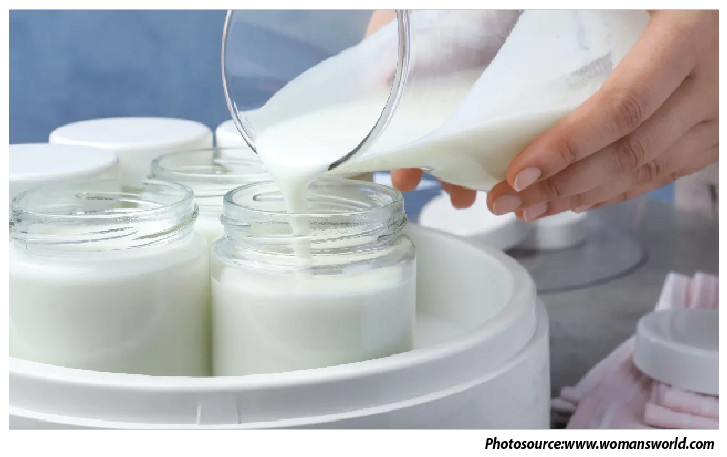
As many Nigerians seek healthier alternatives to drinks and food that are cost-effective, yoghurt making has proven to be a viable small business opportunity, providing a steady source of income with relatively low start-up capital.
Investing in yoghurt production is suitable for individuals seeking to earn extra income through a food business that can be run on a small scale.
Rising demand for affordable and nutritious food has increased interest in locally produced yoghurt. Many households, offices and vendors now prefer freshly made yoghurt, creating opportunities for small producers to meet this demand while growing their income.
Yoghurt is no longer a luxury item, as it is consumed by families, students, fitness enthusiasts, restaurants and roadside vendors. Demand stays strong all year, making it a practical small business for anyone looking to supplement income or build a micro enterprise.
Yoghurt production requires basic knowledge, cleanliness and modest investment to be successful. With the right process and simple equipment in place, yoghurt making offers an accessible entry point into food processing and small-scale entrepreneurship.
The process of making yoghurt is simple and cost-effective. Major requirements include fresh or powdered milk, starter culture, sugar, cooking utensils, packaging materials and access to cooling or refrigeration. Production can be done in a home kitchen, while finished yoghurt should be stored in clean, airtight containers to maintain freshness. Yoghurt can be sold plain or flavoured, depending on customer preference.
In starting a yoghurt business, the milk used is critical as fresh milk is expensive, difficult to store and not always available. Powdered milk solves all three problems. It has a long shelf life, consistent quality and predictable cost.
A single large tin can be stretched into several litres of yoghurt, allowing producers to control expenses and price competitively.
For beginners, powdered milk also reduces waste and does not require heavy capital as you only prepare what you can sell within a day or two, protecting cash flow.
For beginners, a basic setup includes powdered milk, sugar, starter culture or plain yoghurt, a pot, a stove, clean containers and a fridge or cooler.
With as little as N20,000 to N30,000, a starter can produce between ten and fifteen litres of yoghurt. Depending on location, one litre can sell for N800 to N1,200 when bottled into smaller sizes. After subtracting ingredients, packaging and energy costs, profit margins of 30 to 40 per cent are realistic for small producers.
As production volume increases, margins improve because fixed costs stay largely the same.
Certain conditions must be met to produce quality yoghurt. Proper heating and fermentation are essential to achieve the right taste and texture. Hygiene is critical, as contamination affects shelf life and consumer safety. Maintaining consistent quality helps to build customer trust and repeat sales.
Yoghurt can be packaged in different sizes and sold through various channels such as neighbourhood shops, offices, schools and roadside vendors. As production increases, suppliers can expand into bulk sales for events and food outlets.
The benefits of yoghurt production are numerous. It provides a regular income stream, supports local food supply and meets consumer demand for healthy refreshments. Yoghurt is widely consumed by people of all ages, making it a product with consistent market demand.
Although start-up costs are low, success in yoghurt making depends on proper management, pricing and marketing.
Producers must understand basic food safety standards and manage production volumes to avoid spoilage. Establishing a niche through taste, branding or customer service helps to remain competitive.
Profitability in yoghurt production is influenced by market price, scale and efficient use of inputs. With good planning and gradual expansion, yoghurt making can grow from a small home-based activity into a sustainable business venture.
We’ve got the edge. Get real-time reports, breaking scoops, and exclusive angles delivered straight to your phone. Don’t settle for stale news. Join LEADERSHIP NEWS on WhatsApp for 24/7 updates →
Join Our WhatsApp Channel