Poultry farming in Nigeria is most often associated with chickens, turkeys, and noilers.
However, there is another segment of the industry quietly gaining traction and offering remarkable returns, ostrich farming. Investing in ostrich breeding is gradually becoming one of the most lucrative agribusiness opportunities for Nigerians, as global demand for ostrich meat, leather, eggs, and feathers continues to rise.
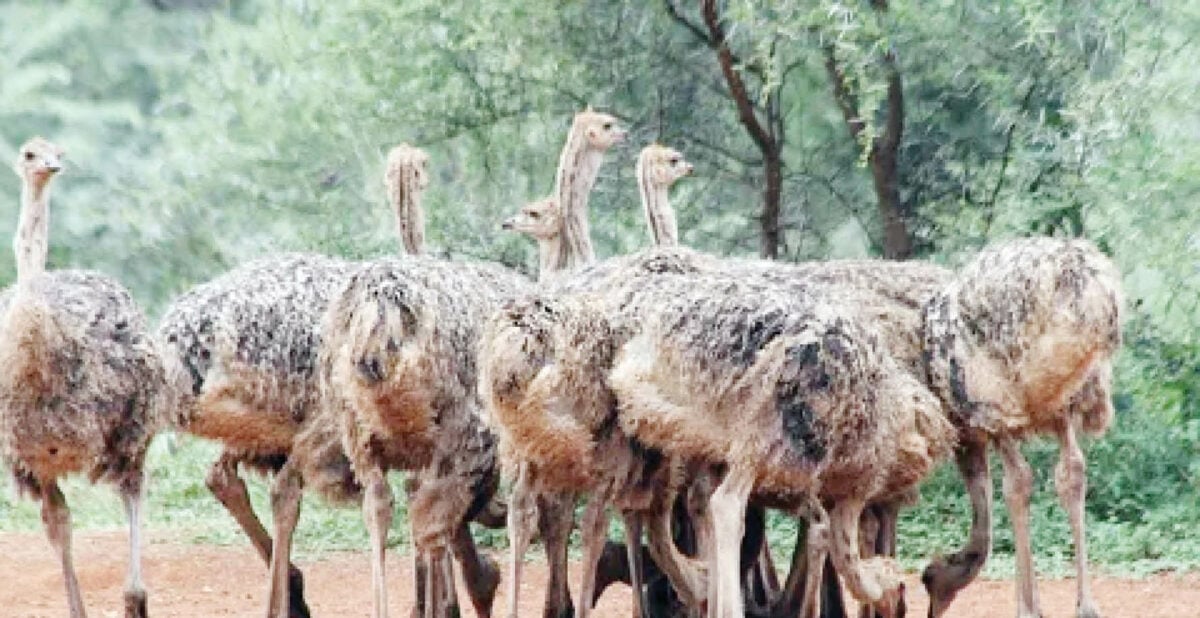
The ostrich, the world’s largest bird, is a non-flying bird that lays the biggest eggs known in the avian world and produces massive quantities of lean meat. While relatively unknown in Nigeria’s farming landscape, ostrich farming is regarded in some circles as more profitable than cattle rearing.
Unlike cows, which reproduce once a year and take up to two years before reaching market size, ostriches are prolific. They can lay dozens of eggs annually, and within 14 months their chicks can grow to commercial size.
Starting an ostrich farm begins with securing adequate land. Farmers are advised to either purchase or lease large expanses of land, preferably in rural areas where there is space for the birds to roam freely. Because ostriches are large and powerful, fencing must be strong and high enough to contain them. Farmers also need to provide shelters to protect the birds during adverse weather.
Labour is another critical factor. Caregivers must understand the peculiarities of ostrich behaviour, feeding patterns, and welfare. Hiring dedicated and semi-skilled agricultural hands can make a difference in the survival and growth of the birds.
Choosing the right breed is equally important. The African black ostrich, the blue-neck ostrich, and the red-neck ostrich are among the common breeds, each with its own strengths.
Farmers are advised to buy from trusted breeders and ensure that stocks are disease-resistant. While unhatched eggs are cheaper, many investors prefer young ostriches of about three months old, starting with a male and two females on small farms.
Daily farm management involves feeding and watering, cleaning the pens, removing waste, and protecting the birds from predators or harmful objects. Ostriches consume a large volume of water daily, so steady water supply is vital. Farmers may either invest in commercial feeds or cultivate grasses and crops to supplement the birds’ diet.
The business case for ostrich farming is compelling. On the international market, a single ostrich egg can fetch as much as $500. With a hen laying between 40 and 60 eggs per year, the earning potential is staggering. Beyond eggs, a live ostrich can sell for as high as $5,000 abroad, underscoring the export prospects.
In terms of meat, ostriches outperform cattle by a wide margin. One ostrich can yield as much as 1,800 kilograms of lean, red meat, compared to the average 250 kilograms obtained from a cow. This makes ostrich meat not only more abundant but also healthier, as it is low in cholesterol and highly sought after in niche health-conscious markets.
For Nigerian farmers, penetrating the market requires a two-pronged strategy. On the domestic front, supermarkets, departmental stores, and restaurants offer immediate outlets for meat and eggs, though awareness about ostrich products is still low among local consumers. Export remains the more lucrative option, especially for eggs, feather, leather, and live birds.
Despite the clear potential, ostrich farming faces challenges in Nigeria. Limited knowledge about ostrich breeding, lack of established hatcheries, and inadequate veterinary expertise remain hurdles for new entrants. Financing is another obstacle, as setting up a farm requires significant initial capital for land, fencing, and breeding stock.
Ostrich breeding may not yet be common in Nigeria, but its economic potential is undeniable. From eggs that command premium prices internationally to meat, feathers, and leather that are in high demand across various industries, the opportunities are vast.
We’ve got the edge. Get real-time reports, breaking scoops, and exclusive angles delivered straight to your phone. Don’t settle for stale news. Join LEADERSHIP NEWS on WhatsApp for 24/7 updates →
Join Our WhatsApp Channel