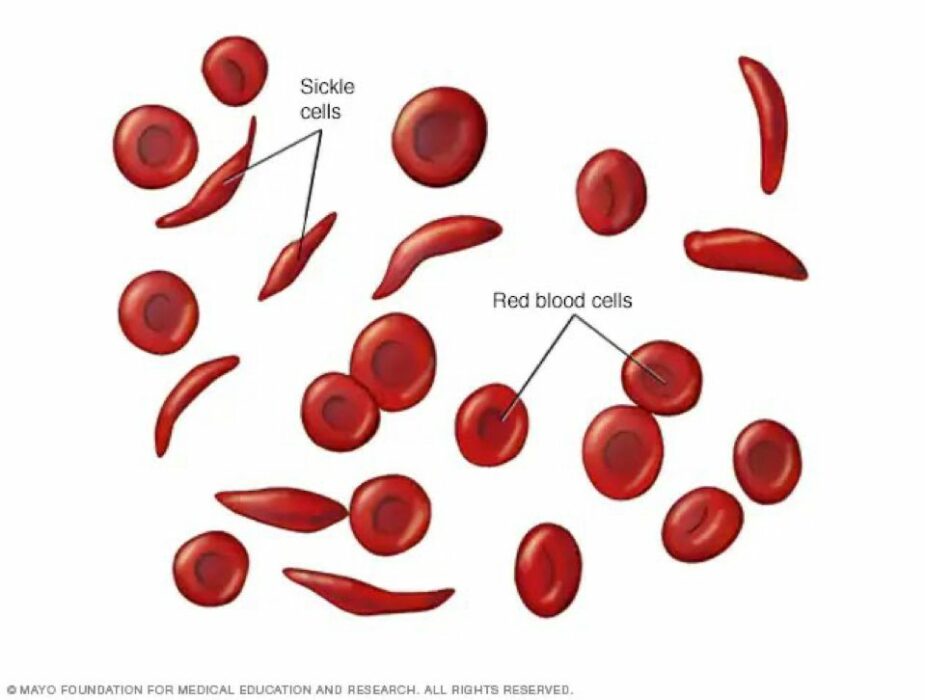
For decades, a diagnosis of Sickle Cell Disorder (SCD) in Nigeria was met with a heavy sense of permanence. As the country with the highest burden of the disorder globally, the narrative has long been one of “management”—balancing pain crises, blood transfusions, and lifestyle adjustments. However, a landmark partnership between the Sickle Cell Foundation Nigeria (SCFN) and the Lagos University Teaching Hospital (LUTH) is rewriting that story, and transitioning from management to a definitive cure.
At the heart of this revolution is the Bone Marrow Transplant (BMT) Centre in Idi-Araba, Lagos. While the facility was commissioned in early 2022, it reached a historic milestone in September 2024 when the medical team successfully performed the first set of indigenous transplants on both pediatric and adult patients.
These procedures—technically known as Allogeneic Stem Cell Transplantation involve replacing a patient’s bone marrow with healthy stem cells from a genetically matched donor. By 2026, medical reports from LUTH confirm that these pioneer patients are not only stable but are “thriving” with functioning grafts, effectively cured of the disorder that once defined their lives.
What makes this program particularly robust is its international backing. To ensure world-class safety standards, the SCFN-LUTH program operates with technical support from Vanderbilt University Medical Centre (VUMC) in the United States. This collaboration has allowed Nigerian doctors to master advanced techniques, including Haploidentical (half-matched) transplants.
Previously, a patient needed a “perfect” sibling match to undergo the procedure. Now, the ability to use “half-matched” donors such as parents or siblings who aren’t identical matches significantly expands the pool of eligible patients, offering hope to thousands who previously had no donor options.
The Nigerian government has hailed the centre for the “landmark breakthrough.” In official statements, the Federal Ministry of Health noted that the success of the LUTH program is a critical step in reducing medical tourism.
For years, wealthy Nigerians travelled to India, Europe, or the US for BMT, spending millions of dollars abroad. By establishing a high-success centre at home, Nigeria is positioning itself as a healthcare hub for West Africa.
The Lagos State Government, a key financial backer of the infrastructure, has designated the facility a “Centre of Excellence,” emphasising that the expertise now exists within our own borders to handle the most complex genetic blood disorders.
Despite the medical triumph, experts urge the public to understand both the potential and the hurdles. Dr Annette Akinsete, CEO of the SCFN, emphasises that while BMT is a cure, it is a rigorous procedure reserved for those with severe complications, such as a history of strokes or debilitating pain crises.
Furthermore, the cost remains a significant barrier. With procedures costing upwards of ₦80 million, the government and SCFN are actively calling for expanded insurance coverage and philanthropic support. The goal is to move from a “available” cure to an “accessible” one for every Nigerian child, regardless of their family’s bank balance.
As this program matures, it stands as proof of what is possible when local clinical expertise, international partnership, and government converge. For the millions of Nigerians living with Sickle Cell, the message is clear: the cure is no longer a distant dream across the ocean—it is here.
We’ve got the edge. Get real-time reports, breaking scoops, and exclusive angles delivered straight to your phone. Don’t settle for stale news. Join LEADERSHIP NEWS on WhatsApp for 24/7 updates →
Join Our WhatsApp Channel