By Cynthia Onuado
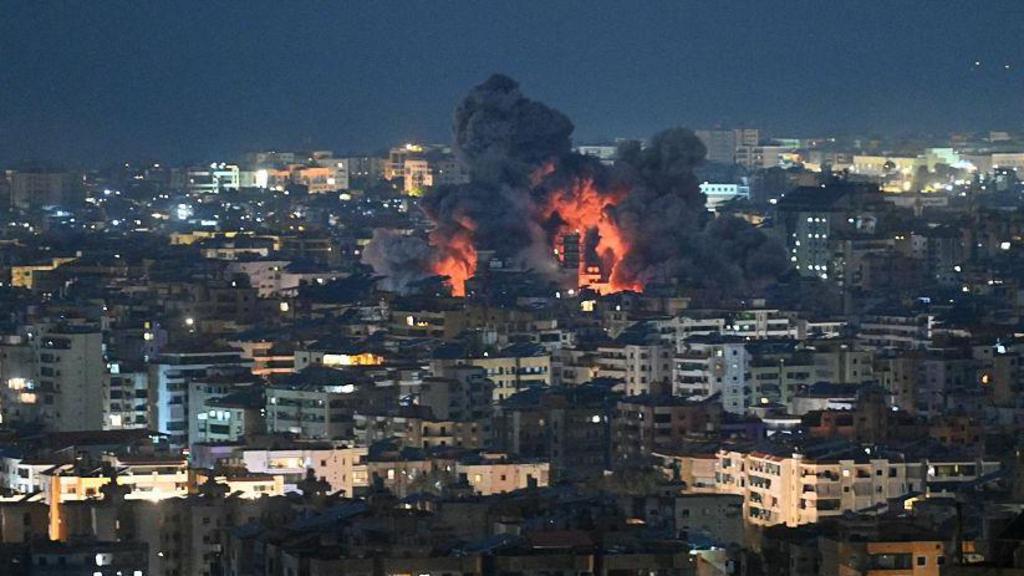
Israel has launched fresh airstrikes on Tehran and Beirut, targeting what it described as “military targets” amid escalating tensions across the Middle East.
In a statement on Tuesday, the Israeli military said it was striking strategic installations in both the Iranian and Lebanese capitals as part of ongoing operations. It added that ground troops would “advance and seize additional strategic areas in Lebanon in order to prevent fire on Israeli border communities.”
The renewed offensive comes days after the United States and Israel carried out coordinated strikes on Iran on Saturday, killing Supreme Leader Ayatollah Ali Khamenei.
Tehran has since retaliated with a wave of attacks across the region.
Meanwhile, the United States Embassy in Riyadh, Saudi Arabia, was hit by two drones, reportedly launched from Iran. The attack caused a “limited” fire and “minor damage,” according to US officials. No casualties have been reported.
On Monday, US Secretary of State Marco Rubio said “the hardest hits” on Iran are “yet to come,” signalling the possibility of further military action.
The United States had earlier advised its citizens across the Middle East to “depart now,” citing security concerns following the escalation.
US President Donald Trump also weighed in on the crisis, criticising British Prime Minister Keir Starmer for initially denying access to British military bases.
Trump accused Starmer of failing to act swiftly in support of allied operations, further highlighting growing diplomatic tensions among Western allies over the conflict.
The intensifying hostilities have rattled global energy markets.
Gas prices on international markets surged by as much as 30 per cent on Tuesday morning, after recording increases of up to 50 per cent on Monday.
Analysts warn that continued instability in the region could disrupt oil and gas supply routes, particularly through strategic waterways in the Gulf.
The situation marks one of the most significant escalations in Middle East hostilities in recent years, with Iran’s retaliatory strikes spreading across multiple countries.
Security experts say the unfolding crisis could draw in more regional actors if diplomatic efforts fail to contain the conflict.
As tensions mount, the international community is watching closely amid fears of a broader regional war.
We’ve got the edge. Get real-time reports, breaking scoops, and exclusive angles delivered straight to your phone. Don’t settle for stale news. Join LEADERSHIP NEWS on WhatsApp for 24/7 updates →
Join Our WhatsApp Channel