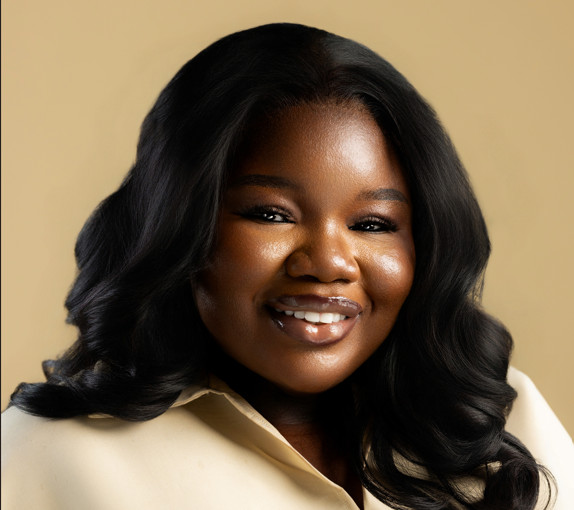
Founder of the Rhoda Kusimo Foundation and the Global Hope Integrated Empowerment Foundation (GHIEF), Rhoda Kusimo Iloba, has emphasised that empowering women must go beyond advocacy to the creation of real opportunities that enable them to thrive and contribute meaningfully to society.
Speaking in commemoration of International Women’s Day, Iloba said sustainable empowerment requires deliberate investments in education, mentorship, and support systems that help women and girls realise their full potential.
Iloba said through her foundations, several initiatives have been implemented to support women and girls, particularly in the areas of education, mentorship, and personal development.
According to her, one of the key interventions of the organisations is not only assisting young girls who are at risk of dropping out of school to return to the classroom and continue their education, but also helping women with access to information, funding, mentors, knowledge.
“Education remains one of the most powerful tools for empowering women. We are committed to ensuring that no girl is left behind because of circumstances beyond her control,” she said.
She added that beyond education, the organisations also work closely with women through empowerment programmes and mentorship initiatives aimed at helping them grow personally and professionally.
“Our goal is to help women become more confident, economically independent and better positioned to lead within their families, businesses and communities,” she said.
Iloba further noted that the foundations extend their support to young women and girls living with developmental and physical disabilities through the GHIEF Special Needs School.
She explained that the initiative provides encouragement, access to resources, and opportunities that help beneficiaries overcome challenges and realise their potential.
“Empowering women is not just about advocacy; it is about creating access and real opportunities that enable women and girls to grow, succeed and live fulfilling lives,” she stated.
Speaking on women’s participation in leadership, Iloba observed that although Nigerian women are capable and resilient, they remain underrepresented in leadership and elective positions.
She attributed the situation to factors such as cultural expectations, limited access to political financing, societal stereotypes about leadership and insufficient institutional support.
“These barriers often discourage women from pursuing leadership roles, particularly in politics and governance,” she said.
Iloba, however, expressed optimism that the situation can change through sustained investment in girls’ education, mentorship for emerging female leaders, and policies that promote women’s participation in decision-making processes.
She also encouraged women to believe in their abilities and take bold steps toward leadership.
“Women should not wait for permission to lead. When you have the passion, competence and vision to make a difference, step forward with confidence and take your seat at the table,” she added.
Iloba maintained that when women are given equal opportunities and the right environment, they can perform exceptionally well across different sectors.
She noted that women bring qualities such as resilience, empathy, collaboration and the ability to manage complex responsibilities to leadership, adding that a balanced society where both men and women contribute their strengths is essential for national development.
We’ve got the edge. Get real-time reports, breaking scoops, and exclusive angles delivered straight to your phone. Don’t settle for stale news. Join LEADERSHIP NEWS on WhatsApp for 24/7 updates →
Join Our WhatsApp Channel