
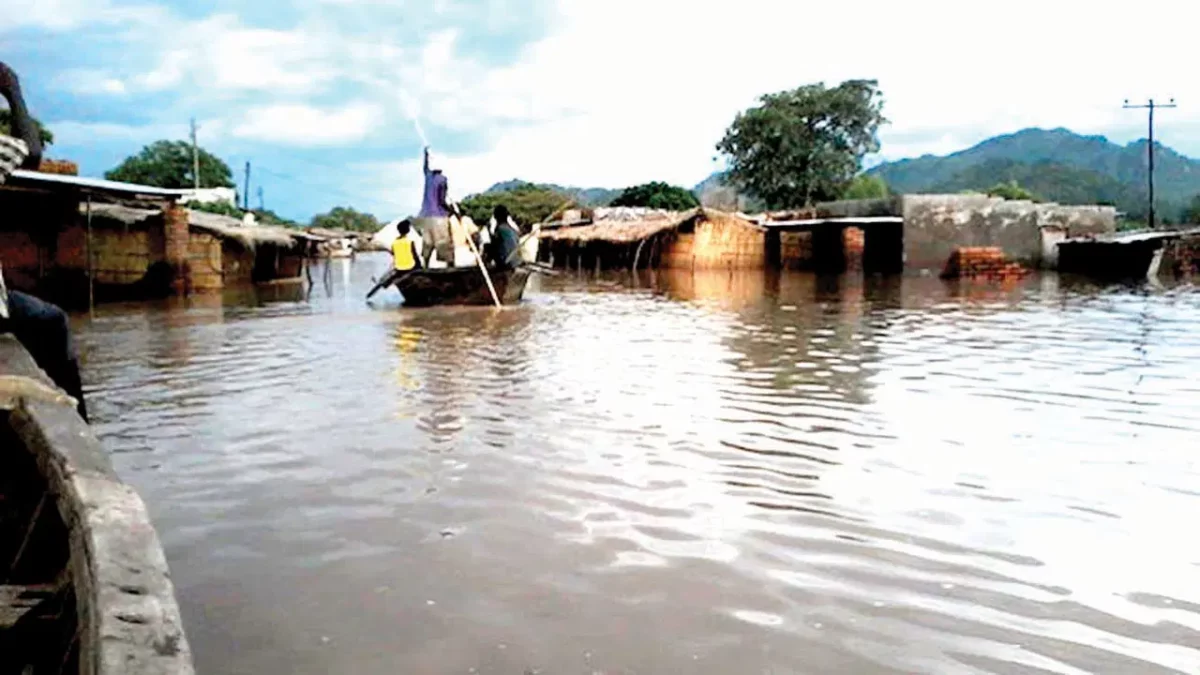
Stakeholders in disaster management have taken flood preparedness campaigns to Kawo community in Kaduna North local government area, cautioning residents against indiscriminate dumping of refuse in waterways and urging them to adopt safer practices to reduce disaster risks.
The exercise was spearheaded by the Kaduna State Emergency Management Agency (SEMA) and the National Orientation Agency (NOA), with support from Christian Aid, UNICEF and the European Union Humanitarian Aid.
Speaking during the sensitisation exercise yesterday, the zonal coordinator of SEMA, Mohammed Shafii, said many flood disasters are preventable if communities take early action and embrace proper waste disposal.
“Most of the floods we experience are due to human activities. People must stop blocking drainages with refuse and those living close to rivers must vacate before water levels rise. Preparedness is the key to saving lives”.
On her part, Mrs Aisha Adamu of NOA, Kaduna North said the campaign was aimed at protecting lives and property, stressing that residents in flood-prone areas such as Kigo road, Kabala, Malali, Unguwar Rimi, Rafin Guza and Unguwar Dosa should heed early warnings and move to safer locations.
She disclosed that a rehabilitation centre at Kigo Road had been designated as a temporary shelter for those displaced by floods.
Programme officer, Christian Aid Nigeria, Michael Odache Aboh, emphasised that disaster preparedness, proper waste disposal and adherence to early warning alerts remain critical to reducing the impact of floods in Kaduna State.
Aboh, explained that the campaign was part of ongoing efforts to strengthen community resilience against disasters in Kaduna State.
He explained that flood disasters had continued to threaten lives and livelihoods, particularly in urban and peri-urban communities where poor waste management and unplanned settlements are common.
Aboh noted that Christian Aid, in collaboration with UNICEF and the European Union Humanitarian Aid, has been supporting government agencies in raising awareness of flood preparedness and proper waste disposal.
According to him, awareness at the grassroots was critical because communities are usually the first responders whenever disasters strike.
“We believe that by equipping people with the right information, they can take preventive measures before the flood comes. This is about building resilience, encouraging communities to manage their waste properly, and ensuring residents know where to move when the water levels rise”.
Aboh stressed that disaster preparedness was not only the responsibility of government but also of residents, adding that behavioural change such as stopping the habit of dumping refuse in waterways would go a long way in reducing the impact of flooding in Kaduna.
We’ve got the edge. Get real-time reports, breaking scoops, and exclusive angles delivered straight to your phone. Don’t settle for stale news. Join LEADERSHIP NEWS on WhatsApp for 24/7 updates →
Join Our WhatsApp Channel