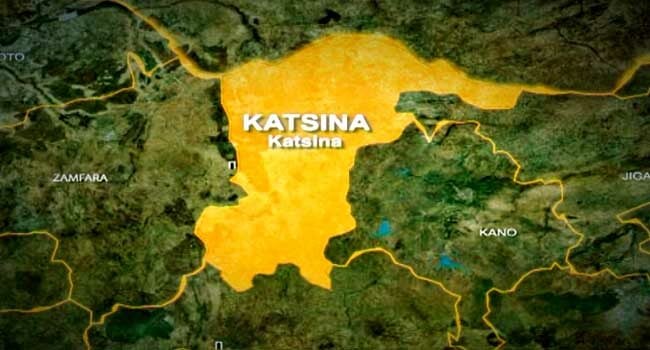
The Katsina State Development Management Board (KSDMB) has trained Desk officers of the 34 local government areas on how to strengthen climate change action at the grassroots.
The training, that took place at Tahir Guest Palace in Katsina, focuses on climate adaptation, mitigation, and resilience strategies designed to enhance the technical and institutional capacity of local government officials.
The initiative is intended to enable officers to effectively plan, coordinate, and implement climate resilience programmes within their communities.
Speaking at the opening session, the Executive Secretary of KSDMB, Mustapha Shehu, underscored the urgency of adopting a grassroots-driven approach to climate change response in the state. He described climate change as a development challenge that goes beyond environmental concerns.
“Climate change is not merely an environmental issue but a development challenge that requires coordinated planning, evidence-based decisions, and active participation at the local government level,” Shehu said.
He stressed that sustainable climate action must be community-rooted and driven through continuous capacity building, multi-sectoral collaboration, policy reviews, and deliberate inclusion of young people.
According to him, youths are central to long-term sustainability efforts, describing them as innovators and custodians of the future.
Shehu explained that participants are being equipped with practical tools such as climate risk assessment techniques, vulnerability mapping, community-based adaptation frameworks, and strategies for integrating climate action into local government development plans.
He noted that the programme reflects the development vision of Governor Dikko Umaru Radda, whose administration prioritizes sustainable environmental management, climate-smart agriculture, institutional capacity strengthening, youth empowerment, and evidence-based planning.
According to the Executive Secretary, the workshop highlights the administration’s recognition of local governments as key drivers of climate-resilient development. He added that empowering frontline officers is crucial to translating policies into tangible outcomes for communities.
We’ve got the edge. Get real-time reports, breaking scoops, and exclusive angles delivered straight to your phone. Don’t settle for stale news. Join LEADERSHIP NEWS on WhatsApp for 24/7 updates →
Join Our WhatsApp Channel