
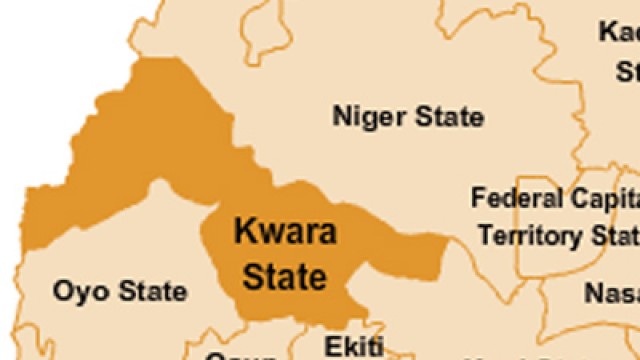
Kwara State Ministry of Health has organised a one-day sensitisation training on Ebola and diphtheria surveillance and reporting to strengthen disease detection, timely reporting and response among health workers and relevant stakeholders across the state.
At the event, the director of Public Health, Dr Oluwatosin Fakayode, who was represented by the state epidemiologist, Dr Khadeejah Kamaldeen, emphasised the importance of training in improving disease surveillance, early detection and prompt reporting of suspected cases to prevent outbreaks.
He said the training provided an opportunity to strengthen the participants’ knowledge and capacity to identify warning signs, report suspected cases promptly and take appropriate action in line with established surveillance guidelines.
Fakayode emphasised that the initiative underscored the state government’s commitment to strengthening disease surveillance, improving public health preparedness and protecting the health of residents of the state.
He outlined the objectives of the training to include understanding the epidemiology, modes of transmission, signs and symptoms of Ebola and diphtheria among others.
He also stressed the importance of applying appropriate infection prevention and control (IPC) measures, following proper specimen collection, packaging and transportation procedures, and identifying gaps in disease surveillance and developing practical solutions to address them.
Speaking on diphtheria transmission, the consultant public physician with the World Health Organisation (WHO), Dr. Maryam Jimoh, explained that humans are the only natural hosts of corynebacterium diphtheriae, with carriers serving as reservoirs of infection.
Jimoh noted that transmission occurs directly from person to person through respiratory droplets and indirectly through contact with infected lesions or contaminated clothing and other objects.
She added that infectiousness might persist for two weeks or less, “although it can occasionally last longer, underscoring the need for early detection, appropriate treatment and effective infection prevention and control measures.”
In her presentation on Ebola surveillance, the senior liaison officer of the Nigeria Centre for Disease Control and Prevention (NCDC), Dr. Gloria Ogunkunle, highlighted the symptoms that should raise suspicion of Ebola virus disease.
These, according to her, include sudden onset of fever accompanied by at least three other symptoms, such as headache, lethargy, loss of appetite, muscle or joint pain, difficulty swallowing, abdominal pain, vomiting, difficulty breathing, diarrhoea and hiccups.
We’ve got the edge. Get real-time reports, breaking scoops, and exclusive angles delivered straight to your phone. Don’t settle for stale news. Join LEADERSHIP NEWS on WhatsApp for 24/7 updates →
Join Our WhatsApp Channel