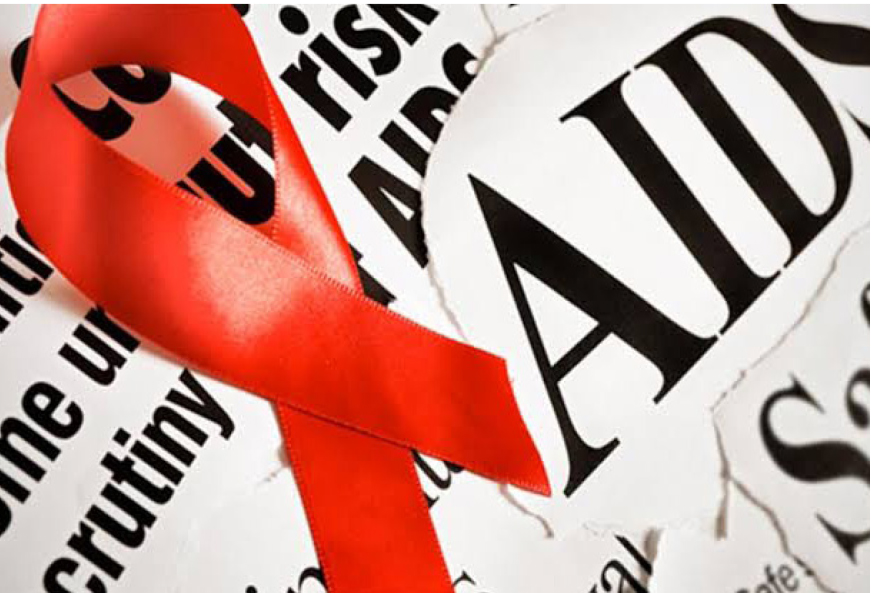
Lagos State government commenced activities for World AIDS Day 2025, with a renewed commitment to strengthening HIV prevention, testing, and treatment across the state.
Addressing a press conference in Lagos, the chief executive officer of the Lagos State AIDS Control Agency (LSACA), Dr Folakemi Animashaun, said the theme of this year’s commemoration is “Overcoming Disruptions: Sustaining Nigeria’s HIV Response,” praising the leadership of Governor Babajide Sanwo-Olu.
She said the governor’s support continues to reinforce the state’s healthcare systems and community structures, enabling consistent progress in HIV control efforts.
While highlighting achievements recorded in 2025, Dr Animashaun noted that community-level HIV interventions were significantly affected by the Stop Work Order issued by the United States government earlier in the year. She said the directive temporarily slowed essential services such as community HIV testing, psychosocial support, counselling, and outreach in several hard-to-reach areas.
“These interruptions demonstrated that the strength of any health response lies not just in hospitals but in the continuity and trust of community engagement,” she said.
“Community networks—peer educators, support groups, youth advocates, faith organisations, civil society groups—remain the backbone of Lagos State’s HIV response.”
Despite the setbacks, she commended community partners for their resilience, noting that many quickly reorganised, resumed outreach, and ensured that newly diagnosed individuals were connected to treatment.
Updating the public on the current HIV situation, Dr Animashaun disclosed that Lagos State has an estimated 160,000 residents living with HIV, with 147,466 persons currently on antiretroviral treatment. Between January and September 2025, a total of 222,415 HIV tests were conducted—representing only 28.9 per cent of last year’s testing volume, a decline she attributed to disruptions in community services.
Animashaun added that the campaign is recording strong participation among youths aged 20–35 and women in communities such as Ikorodu, Badagry, Ojo, and Mushin. She emphasised that the detection of new cases confirms that HIV remains a significant public health concern requiring sustained vigilance.
She noted that the Lagos State Community Recovery Plan is now being fully implemented to restore lost momentum. The plan includes intensified outreach in high-priority areas, reactivation of support groups, expanded multi-month drug dispensing for stable clients, and active tracking of persons who have fallen out of care.
We’ve got the edge. Get real-time reports, breaking scoops, and exclusive angles delivered straight to your phone. Don’t settle for stale news. Join LEADERSHIP NEWS on WhatsApp for 24/7 updates →
Join Our WhatsApp Channel