
The Federal Ministry of Livestock Development has inaugurated a 33-member National Technical Working Group (TWG) to coordinate Nigeria’s efforts to control and eradicate Peste des Petits Ruminants (PPR), a highly contagious animal disease threatening the country’s sheep and goat population.
The move aims to strengthen animal health systems, protect rural livelihoods, and enhance Nigeria’s prospects in the regional and international livestock trade.
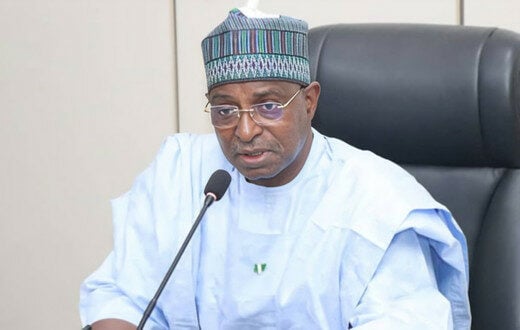
Speaking in Abuja yesterday, the Minister of Livestock Development, Idi Mukhtar Maiha, said PPR remains one of the most destructive transboundary animal diseases affecting small ruminants, with serious consequences for food security, income generation, and economic stability, particularly in rural communities.
Maiha noted that the disease disproportionately affects pastoralists and smallholder farmers, adding that sheep and goats play a crucial role in household income, nutrition, and financial resilience for women, young people, and vulnerable groups.
He stated that the eradication of PPR is central to the Federal Government’s broader agenda for livestock sector reform, economic diversification, poverty reduction, and export competitiveness.
“Controlling and eradicating PPR is not just a veterinary concern; it is a national economic priority with far-reaching implications for livelihoods, food systems, and trade,” the minister said.
He charged members of the technical working group to deliver evidence-based solutions and ensure effective coordination across institutions, assuring them of full policy and institutional support from the ministry.
In a statement delivered on her behalf by the Chief Veterinary Officer of Nigeria, Dr Samuel Anzaku, the Permanent Secretary of the ministry, Dr Chinyere Ijeoma Akujobi, said the TWG would provide the technical backbone for Nigeria’s PPR eradication strategy.
She stated that the group is expected to provide oversight on disease prevention and control, support the implementation of the National PPR Control and Eradication Roadmap, strengthen surveillance and vaccination systems, enhance diagnostics and data management, and improve coordination among federal and state governments, research institutions, the private sector, and development partners.
Earlier, Dr Michael Alao Mitchell, Head of the Department of Animal Health and Reproductive Services, stated that the establishment of the TWG marked a significant step toward addressing persistent animal health challenges that undermine livestock productivity and rural livelihoods.
Stakeholders from research institutions, veterinary services, livestock farmers’ associations, development partners, and the private sector attended the event.
We’ve got the edge. Get real-time reports, breaking scoops, and exclusive angles delivered straight to your phone. Don’t settle for stale news. Join LEADERSHIP NEWS on WhatsApp for 24/7 updates →
Join Our WhatsApp Channel