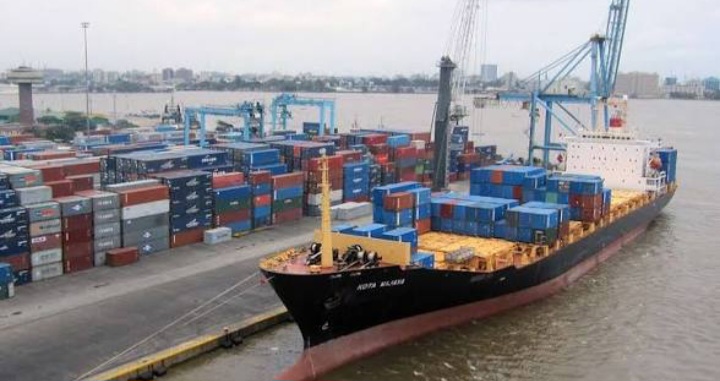
The Shipping Correspondents Association of Nigeria (SCAN) has raised concerns over the funding crisis and regulatory bottlenecks confronting indigenous shipowners, saying foreign operators currently control more than 95 per cent of Nigeria’s maritime freight business.
SCAN said the dominance of foreign operators has continued to undermine local participation in the shipping industry, with Nigerian-owned vessels accounting for only about four to five per cent of the market.
The association disclosed this ahead of its forthcoming 2026 SCAN Summit scheduled for October 29, 2026, at Rockview Hotels, Apapa, Lagos.
The summit, themed, “Low-Risk Capital For Indigenous Shipowners: Overcoming Regulatory, Financial Bottlenecks,” is expected to bring together key stakeholders to deliberate on practical solutions to the financial and regulatory challenges limiting the growth of Nigeria’s indigenous shipping fleet.
Speaking on the rationale for the summit, SCAN president, Moses Ebosele, said Nigeria’s enormous maritime potential had not translated into significant local participation because of persistent funding and regulatory challenges.
Ebosele said, “Despite Nigeria’s rich maritime potential, foreign operators have continued to dominate the nation’s maritime domain controlling over 95% of the carriage of Nigerian imports, exports, and associated freight earnings, while the local participation remains critically low, with indigenous ship owners capturing only about 4% to 5% of the market.”
According to him, systemic funding gaps, high interest rates and regulatory bottlenecks have continued to constrain local fleet operators and prevent them from competing effectively with foreign shipping companies.
He said the SCAN summit was designed to bring together decision-makers, regulatory agencies, maritime experts and primary lending institutions to develop sustainable solutions to the financing challenges facing indigenous shipowners.
“Despite Nigeria’s rich maritime potential, foreign operators have continued to dominate the nation’s maritime domain,” Ebosele said, stressing the need for urgent interventions to strengthen indigenous capacity and increase the participation of Nigerian-owned vessels in both domestic and international waters.
The high-level gathering is expected to focus on ways of unlocking low-risk and affordable capital for indigenous shipowners, while also addressing regulatory barriers that have continued to discourage investment in local fleet development.
Renowned legal practitioner and Senior Advocate of Nigeria Dr Olisa Agbakoba, will deliver the keynote address at the summit, while former director general of the Nigerian Maritime Administration and Safety Agency (NIMASA), Dr Temisan Omatseye, will chair the event.
Other guests of honour expected at the summit include the managing director of the Nigerian Ports Authority (NPA), Dr Abubakar Dantsoho; director-general of the Nigerian Maritime Administration and Safety Agency (NIMASA), Dr Dayo Mobereola; and executive secretary/CEO of the Nigerian Shippers’ Council, Dr Pius Akutah.
Other key industry regulators, policymakers, financial institutions and maritime stakeholders are also expected to participate in the summit.
Through structured panel discussions and strategic dialogues, SCAN said the summit would seek to produce practical recommendations capable of improving access to finance, strengthening regulatory frameworks and enhancing local vessel ownership.
The association said the outcome of the summit would also contribute to boosting Nigeria’s national fleet capacity and strengthening the country’s blue economy.
We’ve got the edge. Get real-time reports, breaking scoops, and exclusive angles delivered straight to your phone. Don’t settle for stale news. Join LEADERSHIP NEWS on WhatsApp for 24/7 updates →
Join Our WhatsApp Channel