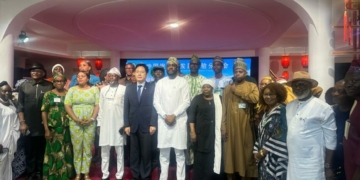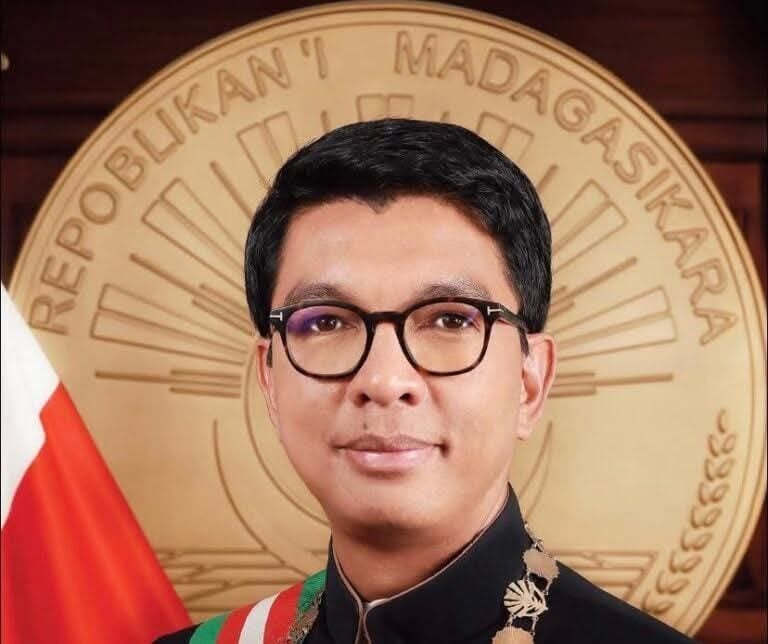
Madagascar’s new military ruler, Colonel Michael Randrianirina, has unveiled a 28-member cabinet filled with prominent figures from the island nation’s political establishment, defying calls from young protesters for a complete break from the past following the ouster of President Andry Rajoelina.
Randrianirina, who seized power following days of protests earlier this month and was sworn in as president on October 17, announced the cabinet lineup on Tuesday after consultations with the country’s political power brokers.
The move drew criticism from supporters of the “Gen Z” protest movement, whose demonstrations over chronic power cuts, unemployment, and economic stagnation triggered the downfall of Rajoelina.
In his address from the presidential palace in Iavoloha, Randrianirina pledged to combat corruption and prioritise national development.
“We will prosecute those guilty of corruption and recover the assets they have acquired through corrupt practices,” the colonel vowed.
“You are here to serve the Malagasy people. Do not betray them by doing what your predecessors did.”
Despite those assurances, many of the newly appointed ministers are veterans of Rajoelina’s previous administrations.
Among the key appointments is Christine Razanamahasoa, a seasoned politician who served as justice minister between 2009 and 2013 after Rajoelina’s earlier coup-backed takeover. Razanamahasoa, who later became speaker of the National Assembly before being expelled from Rajoelina’s party, now returns as foreign affairs minister.
Another controversial returnee is General Rene Lylison, the powerful governor of the northern Sofia region and former gendarmerie commander known for his tough crackdowns on cattle rustlers. Lylison, once Rajoelina’s trusted enforcer, will now oversee the Land Management and Planning Ministry.
In a nod to reformists, Fanirisoa Ernaivo, a lawyer and former judge who recently returned from exile in France, was appointed Justice Minister and tasked with leading the government’s anti-corruption drive.
Randrianirina, 48, pledged to hand power back to civilian rule within two years, promising to focus his interim administration on key sectors including energy, health, tourism, security, and governance.
“Ministers must deliver results within two months,” he declared, stressing accountability. “This government must mark a clean break from the failures of the past.”
However, with several figures from the Rajoelina era now back in government, skepticism remained high over whether the new administration will genuinely heed the demands of the youth-led movement that brought it to power.
We’ve got the edge. Get real-time reports, breaking scoops, and exclusive angles delivered straight to your phone. Don’t settle for stale news. Join LEADERSHIP NEWS on WhatsApp for 24/7 updates →
Join Our WhatsApp Channel