
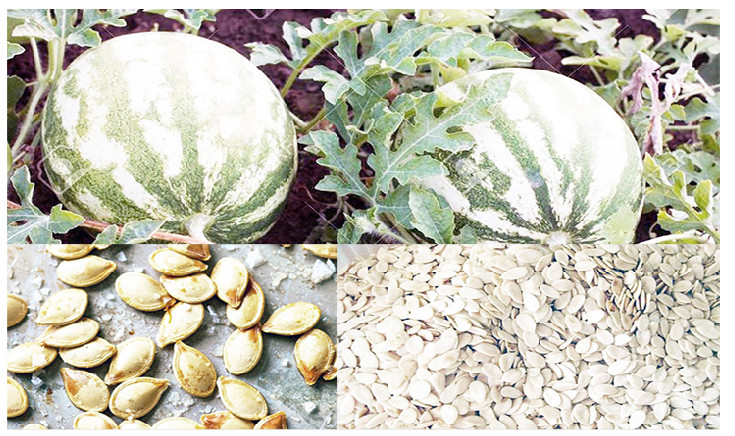
Investment in melon, popularly known as egusi, is increasingly emerging as a viable pathway for generating extra income in Nigeria.
With egusi soup ranking among the most widely consumed delicacies in Nigerian homes and across African communities in the diaspora, stakeholders say the value chain offers promising returns for both small- and large-scale investors.
Industry players note that with as little as N300,000, an investor can venture into the trade and potentially scale up earnings significantly within a four-month production cycle, depending on market conditions and effective management.
Production And Supply Base
Melon is predominantly cultivated in Nigeria’s North-central region, including Niger State, Benue State, Nasarawa State, Taraba State and Kogi State. It is also grown in Edo State and parts of eastern Nigeria. The wide cultivation belt makes sourcing raw materials relatively easy for processors and traders.
Melon is typically planted at the onset of the rainy season in March. The crop matures within three to four months, approximately 75 to 100 days making it suitable for investors seeking short production cycles and quicker turnover.
Nutritional and Industrial Value
Like maize, okra and watermelon, melon is cultivated using conventional crop production methods.
However, its nutritional profile sets it apart. Experts highlight that egusi is rich in essential fatty acids and protein, contributing to improved appetite, the prevention of anaemia, enhanced bone health, heart support, improved digestion, and antioxidant benefits.
Beyond its culinary use, melon seeds can be processed into oil suitable for cooking, frying, and use in food supplements. Due to its favourable impact on serum lipids, melon oil also finds applications in the medical and cosmetic industries, further expanding its commercial value.
Export Opportunities And Packaging Standards
With the increasing demand for African food products abroad, exporting packaged melon seeds properly presents a strong business opportunity. Hotels, eateries, and Nigerian communities in the diaspora maintain steady demand for egusi, creating a ready international market.
Dr Innocent Ogbonna, a lecturer and farmer, advised prospective exporters to adhere strictly to regulatory standards to avoid losses.
He emphasised the need for exporting well-packaged whole seeds rather than ground melon, and securing approvals from regulatory agencies such as the National Agency for Food and Drug Administration and Control (NAFDAC) and the Standards Organisation of Nigeria (SON), in addition to meeting freight forwarding requirements.
According to him, small-scale investors can begin cultivation in nursery beds within residential compounds, while large-scale production would require the acquisition of farmland for mass planting.
Value Chain And Employment Potential
Another stakeholder, Mr Wale Adetunji, a civil servant in Ondo State who engages in farming as a secondary income source, highlighted the importance of proper processing infrastructure.
He noted that adequate ventilation for drying, as well as packaging machinery, is critical for maintaining quality. He added that investment in the egusi value chain has strong employment potential, as it requires labour for farming, harvesting, processing, packaging, and transportation.
Adetunji further advised investors to focus on a specific segment of the value chain whether cultivation, processing, packaging, or export rather than attempting to manage all aspects at once.
Given its year-round demand, diverse applications, short cultivation cycle, and export potential, melon (egusi) remains a compelling agribusiness opportunity.
With proper planning, regulatory compliance, and value addition through quality processing and packaging, investors can tap into both local and international markets for sustainable extra income.
We’ve got the edge. Get real-time reports, breaking scoops, and exclusive angles delivered straight to your phone. Don’t settle for stale news. Join LEADERSHIP NEWS on WhatsApp for 24/7 updates →
Join Our WhatsApp Channel