

Meta Platforms has announced the global expansion of its artificial intelligence (AI)-powered age-estimation technology to identify teenagers who provide false dates of birth on its platforms and automatically enrol them in age-appropriate account protections.
The expansion which will initially cover millions of additional teenagers on Instagram, is aimed at strengthening online safety and limiting young users’ exposure to inappropriate content, unwanted interactions and excessive time on social media.
The company disclosed this in a statement on Monday, explaining that the technology would help identify users suspected to be between 13 and 17 years old, even when their account information indicates that they are adults.
According to Meta, its Teen Accounts feature, available on Instagram, Facebook and Messenger, provides built-in safeguards that restrict who can contact teenagers, the content they can access and the amount of time they spend on the platforms.
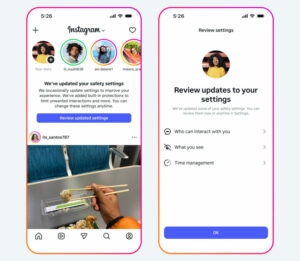
The protections include default private account settings, restrictions on direct messages from people teenagers do not follow or already know, limitations on sensitive content and reminders encouraging users to take breaks from the platforms.
Meta said the global expansion followed encouraging results from its earlier deployment of the technology, which has helped place more teenagers in age-appropriate digital environments despite attempts to circumvent age restrictions.
The company explained that determining users’ actual ages remained a major challenge for social media platforms, as some teenagers deliberately provide older dates of birth to access features and experiences intended for adults.
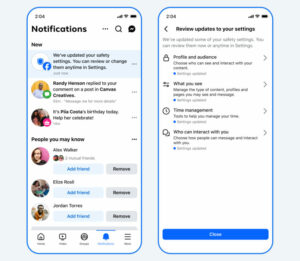
Meta in its bid to address the challenge has been investing in AI systems capable of examining account information and activities for indicators that suggest a user may be underage.
The technology which has been strengthened with contextual and visual analysis, examines clues across profiles, posts, comments, biographies and captions, including references to school grades and birthday celebrations.
It also uses visual indicators in photographs and videos to estimate a person’s general age. Meta has clarified that this process does not involve facial recognition or identifying individuals in images.
The company said it was continuing to extend the technology to Facebook, while a similar global rollout on Threads, its text-based social networking platform, is expected to begin later this year.
Meta also disclosed that parents in the United States would begin receiving notifications on Instagram explaining how the company determines whether teenagers are placed in age-appropriate accounts and how families can help ensure that users’ ages are correctly represented.
Meanwhile, In Australia, the company has also started using Apple’s age-range signal as an additional method of determining users’ ages. The system allows app developers to receive an age range from Apple when users or their parents opt to share the information through the device’s app store.
The latest development comes amid growing international scrutiny of social media companies over children’s online safety, exposure to harmful content and the potential effects of excessive social media use on young people’s wellbeing.
Meta said the expansion also builds on its recent agreement with 52 bipartisan attorneys general across US states, territories and the District of Columbia to strengthen its ability to identify teenagers and children under 13 using its platforms.
The company said it would continue investing in technology to identify accounts that may belong to children below its minimum age requirement, while strengthening safeguards for teenagers who provide inaccurate age information.
However, the expansion also highlights the broader challenge facing technology companies and regulators in balancing effective age assurance with users’ privacy, particularly as AI-powered systems increasingly rely on personal information, online activities and visual content to determine age.
Meta said it would continue working with parents, technology partners and other industry stakeholders to improve age assurance and ensure that young people receive protections appropriate to their age.
Meta’s earlier disclosure also explains that its AI examines contextual clues and visual patterns rather than using facial recognition.
The development is also taking place amid legal pressure on Meta over allegations concerning the impact of its platforms on young users.
We’ve got the edge. Get real-time reports, breaking scoops, and exclusive angles delivered straight to your phone. Don’t settle for stale news. Join LEADERSHIP NEWS on WhatsApp for 24/7 updates →
Join Our WhatsApp Channel