As the United States, Iran and Israel tripartite war enters its fifth week with no end in sight, the
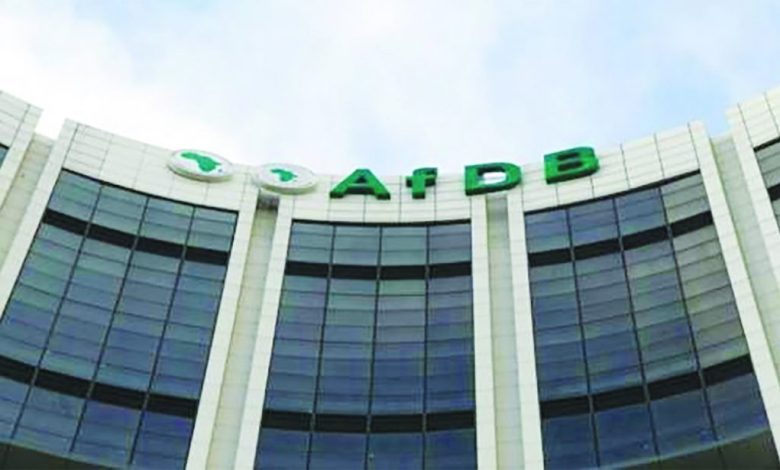
African Development Bank has warned that the fallout of the conflict poses a significant downside risk to Africa’s economic growth, as the continent could lose up to 1.5 percentage points in output if the crisis persists beyond six months.
Speaking at the launch of the 2026 Africa’s Macroeconomic Performance and Outlook (MEO) report, AfDB’s chief economist, Kelvin Urama, said while the immediate impact may appear moderate, prolonged disruptions could deepen existing economic vulnerabilities.
According to Urama, the extent of the shock would largely depend on the duration of the conflict, warning that longer episodes of instability in the Middle East could significantly undermine Africa’s fragile recovery.
“If the war continues for up to six months, we might see about a 1.5 per cent decline,” he said, adding that growth could also dip by 0.2 percentage points if the conflict is contained within three months.
AfDB in the report noted that Africa’s economic outlook is already under pressure from weak foreign direct investment inflows, declining official development assistance, and tightening global financial conditions, all of which have compounded the continent’s exposure to external shocks.
Despite these headwinds, the bank retained its growth projections at 4.3 per cent for 2026 and 4.5 per cent for 2027, reflecting a cautious optimism anchored on resilience in some key sectors.
The report highlighted that the ongoing crisis has disrupted global energy markets, triggering a spike in oil prices with mixed implications for African economies. While oil-exporting countries may benefit from higher revenues, the broader effect has been inflationary, pushing up the cost of fuel, food, and fertilisers across the continent.
It further noted that about 29 African countries have experienced currency depreciation amid rising inflationary pressures, worsening the cost-of-living crisis in many economies.
On the fiscal front, the AfDB painted a sobering picture, revealing that Africa’s public debt rose to $1.9 trillion in 2024, with debt servicing now consuming over 31 per cent of government revenues. It added that seven countries are currently in debt distress, while 13 others remain at high risk.
External financing conditions have also tightened significantly, with foreign direct investment flows declining by 42 per cent in the first half of 2025. The bank warned that cuts in foreign aid are further threatening critical funding for health, education, and social protection programmes.
Between 2015 and 2023, the United States accounted for 33.6 per cent of bilateral aid to Africa, underscoring the potential impact of any reductions in support.
The AfDB stressed that the combination of rising costs, weakening currencies, and constrained external financing highlights the growing vulnerability of African economies to global shocks, urging policymakers to strengthen resilience and diversify sources of growth.
We’ve got the edge. Get real-time reports, breaking scoops, and exclusive angles delivered straight to your phone. Don’t settle for stale news. Join LEADERSHIP NEWS on WhatsApp for 24/7 updates →
Join Our WhatsApp Channel