
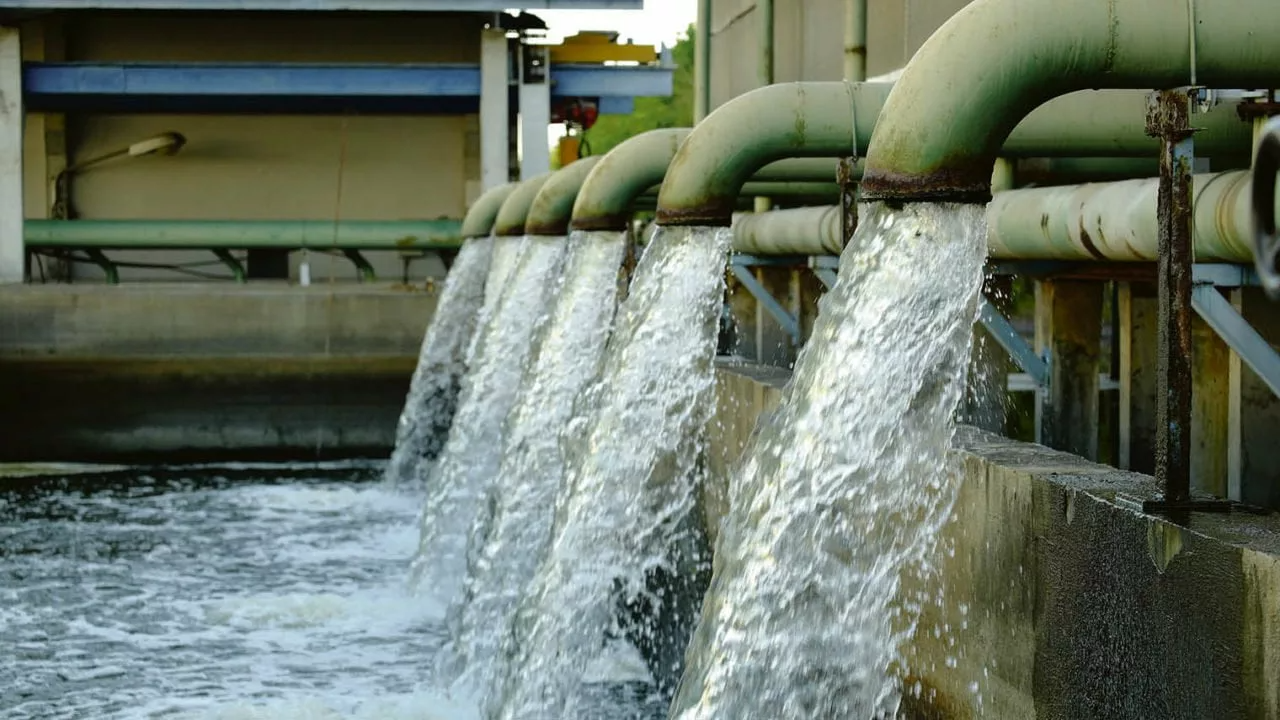
A Jos-based Christian organisation under the aegis of TASTE Nigeria has engaged stakeholders on the carbon sequestration ecosystem to drive affordable potable drinking water in the state.
The stakeholders’ engagement was in collaboration with City Ministries and Co2balance focused on rural water supply, using technology that either removes, reduces or avoids carbon emissions.
The project, under the Gold Standard Foundation, brought together stakeholders from the 17 local governments in Plateau, who shared knowledge on enhancing clean water resilience in vulnerable communities.
The country director of TASTE Nigeria, Nuhu Yakubu Chai, who spoke in Jos during consultation with local stakeholders, confirmed that they engage key stakeholders to help them understand the issues surrounding water, the environment, conservation and biodiversity.
Chai acknowledged that the project was targeted at improving the ecosystem by reducing carbon emissions.
He said the organisation intensified the rehabilitation of over 1,000 boreholes in Plateau, as the state government planted over one million trees to enhance natural forest conservation and rehabilitated one million boreholes in the state.
He revealed that the Nigerian government, since 2022, has established the National Council on Climate Change and introduced laws to safeguard the ecosystem.
“In December 2025, I saw that the Vice President approved the Nigeria Carbon Credit Framework and the Manual of Procedures. That means Nigeria is set to attract major investment in ecosystem biodiversity and to improve Nigerians’ livelihoods. That is at the national level.
“Coming back to Plateau State, if you look at agencies under the Ministry of Environment, particularly ACRESAL, and the projects they carry out, you will see they are targeted at improving the ecosystem.
“Last year again, the Plateau State governor signed a partnership agreement to bring back World Bank-supported activities, using appropriate technology to improve the ecosystem.
“This Manual of Procedure and the Carbon Credit Framework, though not yet fully operational, will position Nigeria to attract investments in billions of dollars in order to improve carbon sequestration.
“Also, natural forest conservation, afforestation and the use of improved cookstoves are key areas. Communities can also benefit through climate-smart agriculture, and even the type of farm inputs that we introduce can position a community to benefit from the project, he said.
We’ve got the edge. Get real-time reports, breaking scoops, and exclusive angles delivered straight to your phone. Don’t settle for stale news. Join LEADERSHIP NEWS on WhatsApp for 24/7 updates →
Join Our WhatsApp Channel